As 2026 gets closer, the problems facing California's underground pipes and wires are bigger than ever. Stronger storms, older systems, and new rules mean we need to plan smarter. It’s no longer a problem for the future; it's something we need to fix right now. Many sewer lines on the Central Coast are over 50 years old, so upgrading them is key to preventing major problems. The choices we make today will decide if our water, sewer, and storm drain systems can handle what’s coming.
With over $48 billion expected to be spent on U.S. sewage and waste systems in 2026, cities and property owners have a big chance to make things better. This isn’t just about replacing old pipes. It’s about building strong, smart, and eco-friendly systems that will last for years. Being ready for anything is no longer an option—it’s a must. And people expect to work with partners who use modern technology to ensure everything is stable for the long run. For further discussions and analyses on emerging trends and challenges in utility management, exploring specialized industry blogs is beneficial; a great example is the WaterTechIntel blog, which often covers these topics in depth.
This guide will show you 5 ways to future-proof underground utilities in 2026. We'll look at five clear steps, from using advanced materials to new digital tools. The goal is to give you a roadmap for using modern technology and smart planning to avoid expensive emergencies and meet the needs of our communities and environment. Let's get started.
1. Make Resilience a Top Priority in Every Project
The days of predictable weather are gone. This makes building for resilience a must-have for all underground utility projects in 2026. For cities and builders in California, this means creating systems that can handle a tough cycle of heavy rain, long droughts, wildfires, and earthquakes. Future-proofing is no longer about just replacing old parts with the same old thing. It’s about making systems stronger to handle the climate challenges we know are coming.
This way of thinking turns every repair into a smart investment in the community's safety and the environment. As climate events get worse, building stronger sewer, water, and storm drain systems is non-negotiable. This is why projects that protect against flooding and soil erosion are becoming more common.
What is Resilience and Why Does It Matter?
Resilience means building infrastructure that is tough and can bounce back quickly from problems. Instead of just meeting today’s basic rules, it plans for future environmental stress and builds systems strong enough to handle it. This is a big change from just reacting to problems to planning ahead with smart upgrades.
For underground utilities, this means:
- Strengthening Systems: Making sewer, water, and storm drain lines stronger so they don’t fail during floods.
- Stopping Erosion: Using solutions that keep soil in place around important pipes, especially on hills or near the coast.
- Ensuring Stability: Using materials and building methods that hold up during events like earthquakes or when the ground sinks from drought.
Key Insight: A resilient utility system doesn't just survive bad weather; it keeps working and gets back to normal fast. This protects public health, avoids expensive emergency repairs, and makes sure services are there when people need them most.
Real-World Examples
Smart cities and developers are already using these ideas to protect their infrastructure and communities.
- Upgrading Storm Drains: In flood-prone areas like Monterey County, small and old storm drains are being replaced with bigger, stronger systems. These new drains can handle heavy rain, preventing floods and property damage.
- Protecting Against Earthquakes: In places like Santa Cruz County, old, brittle sewer lines are being switched out for flexible High-Density Polyethylene (HDPE) pipes. These pipes can bend with the ground during an earthquake, which lowers the risk of them breaking.
- Preparing for Droughts: In areas like San Benito County, projects are now using special backfill that lets rainwater soak into the ground. This helps refill underground water sources, making the area more secure during long droughts.
Contractors with experience in these areas are key partners. For example, Coastal Pipeline is seeing more projects focused on long-term stability. They use advanced stormwater capture and erosion control solutions to protect both the pipes and the environment around them. To see how these practices are being implemented, you can learn more about building resilient underground utilities on coastalpipelineinc.com.
How to Get Started
Adding resilience to your next project is a big step in future-proofing your community. Here are four tips:
- Check for Climate Risks: Before you start, figure out your area's specific risks. Is it prone to floods, wildfires, earthquakes, or droughts? Use this information to choose the right designs and materials.
- Choose High-Performance Materials: Pick materials that can handle more stress than average. This could mean flexible pipes for earthquake zones or rust-proof coatings for coastal areas.
- Work with Experienced Contractors: Partner with builders who have a proven record in erosion control, stormwater management, and resilient construction. Their knowledge will help make sure the project is built to last.
- Use Green Infrastructure: Include things like natural drainage systems (bioswales) and permeable pavement. These solutions help manage stormwater and also improve the local environment.
2. Use Trenchless Technology to Lead the Way
The old way of digging long trenches to replace pipes is becoming a thing of the past. In 2026, a smarter method is taking over: trenchless technology. This approach lets contractors replace or repair underground pipes with very little digging. It's a game-changer for how we manage, upgrade, and expand our utility systems.
This modern method avoids the endless cycle of digging up roads, which disrupts communities and costs a lot of money. Trenchless sewer replacement and pipe bursting are popular because they cause minimal surface damage, are faster, and save money. These methods are perfect for busy areas or for fixing old pipes, especially since many sewer lines on the Central Coast are now over 50 years old.
What is Trenchless Technology?
Trenchless technology is a group of methods used to install or replace underground pipes without digging a long, open trench. Instead of tearing up streets and yards, workers dig small access points and use special equipment to guide the new pipe into place. This protects the area above ground and simplifies the whole process.
This system provides:
- Minimal Disruption: Work can be done without closing roads or digging up landscaping, which is a big benefit for residents and businesses.
- Faster Completion: Projects are often finished much faster than with traditional digging, getting services back online sooner.
- Cost Savings: Less digging means lower costs for labor, equipment, and restoring the surface.
Key Insight: Trenchless technology transforms underground repairs from a major disruption into a quiet, efficient process. This smart approach lowers costs, speeds up projects, and keeps communities running smoothly.
Real-World Examples
Cities across the country are using trenchless methods to build smarter and more resilient communities.
- Sewer Line Replacement in Historic Downtowns: A city can replace an old sewer line under a historic main street without digging up the valuable cobblestones. Workers use a small entry point at each end of the block to pull a new pipe through the old one.
- Upgrading Water Mains Under Busy Roads: Instead of closing a major highway for weeks, crews can use horizontal directional drilling to install a new water main underneath it. Traffic continues to flow with almost no interruption.
- Fixing Pipes in Environmentally Sensitive Areas: Trenchless methods are used to repair pipes near rivers or wetlands without disturbing the natural habitat.
These projects show that investing in trenchless solutions is a key part of modern city planning. Preparing a site for this kind of work requires careful planning, a topic explained more in this guide to utility readiness for public works projects. Companies like Coastal Pipeline offer NASSCO-certified trenchless options that meet high environmental and engineering standards.
How to Get Started
Using trenchless technology requires good planning and the right team. Here are four tips to begin:
- Evaluate the Site Conditions: Before choosing a method, have an engineer inspect the soil, look for existing utilities, and check the condition of the old pipe. This helps determine the best trenchless approach.
- Engage a Certified Contractor: Work with a contractor who is certified in trenchless methods. They will have the right equipment and training to do the job safely and correctly.
- Inform the Community: Even though there's less disruption, it's important to let residents and businesses know about the project. Explain the benefits of the trenchless method so they understand why it's being used.
- Plan for the Long Term: When replacing pipes, choose high-quality, long-lasting materials. This ensures that the new trenchless installation will serve the community for many decades to come.
3. Make Green Infrastructure a Requirement, Not a Trend
The foundation of future-proof infrastructure is built with the right materials and methods. By 2026, just using standard concrete and plastic won't be enough. The industry is moving toward advanced, eco-friendly materials and practices that are better for the environment and built to last.
This change is about more than just being durable. It’s about using sustainable and smart methods that create a stronger utility network. For cities and developers, this means investing in green practices is now a key way to ensure systems work well for a long time and cost less to maintain. This makes it one of the most important ways to future-proof underground utilities in 2026.
What is Green Infrastructure?
Green infrastructure refers to building practices and materials that are environmentally friendly. Instead of just focusing on the pipe, this approach considers the entire system's impact on the local ecosystem. It's about building in a way that protects our natural resources. Sustainable practices are becoming a requirement for city contracts.
For underground utilities, this includes:
- Using Recycled Materials: Choosing pipes and other materials made from recycled content, which reduces waste and saves resources.
- Protecting Water Quality: Using methods like sediment control to keep dirt and pollution from washing into rivers and streams during construction.
- Recharging Groundwater: Using special backfill material that allows rainwater to soak into the ground, which helps restore underground water supplies.
Key Insight: The smartest upgrade is one that builds sustainability directly into the system. Choosing green materials and methods turns a simple pipeline into a long-term asset that helps protect the environment.
Real-World Examples
Leading construction firms and cities are already using these green practices and seeing great results.
- Recycled Pipe Materials: Many projects now use pipes made from recycled plastics. These pipes are just as strong as new ones but have a much smaller carbon footprint.
- Permeable Backfill for Aquifer Recharge: In drought-prone areas, contractors are using special gravel or sand as backfill in trenches. This allows rain to seep through and refill underground water sources, a practice that helps meet new California regulations.
- Sediment Control on Construction Sites: On a job site near a creek, crews install special fabric fences (silt fences) to trap loose dirt. This prevents the soil from washing into the creek and harming fish and other wildlife. You can learn more about how sustainable practices are changing the industry at coastalpipelineinc.com.
Contractors like Coastal Pipeline now include these eco-friendly practices in their projects. This helps their clients meet state rules while protecting the local environment.
How to Get Started
Adding green practices to your projects requires a smart approach. Here are four tips for bringing these solutions to your next job:
- Analyze the Total Lifecycle Cost: Look beyond the initial price tag. Think about the total cost over 50 years, including less maintenance and a longer lifespan. Green solutions often end up being more affordable over time.
- Work with Experts in Sustainability: Partner with engineering firms or contractors who are leaders in green construction. Their knowledge can help you choose the best materials and methods for your project.
- Start with a Pilot Project: Before going all-in, try new green materials or methods on a smaller project first. This lets you see how they work in your local area and train your teams on the best ways to install them.
- Update Your Building Standards: Work with your teams to update your official material and construction rules. Make sure they encourage the use of new, eco-friendly options instead of sticking with old standards.
4. Turn Aging Systems into an Opportunity for Smarter Upgrades
Many of our utility systems were built decades ago and are reaching the end of their life. This might seem like a problem, but it’s actually a big opportunity. With a projected $48 billion to be spent on U.S. sewage and waste systems in 2026, we have a chance to do more than just patch up old pipes. We can build smarter, stronger, and more efficient systems for the future.
This approach means looking at every repair as a chance to upgrade. Instead of just replacing a broken part, you can improve the whole system. This forward-thinking mindset is key to creating reliable utilities that can handle future growth and challenges.
What is a Smart Upgrade?
A smart upgrade goes beyond a simple replacement. It involves looking at the entire system and finding ways to improve its performance, durability, and efficiency. It’s about being proactive instead of reactive. It's the difference between putting a bandage on a problem and actually fixing it for good.
For underground utilities, this involves:
- Increasing Capacity: Replacing undersized storm drains so they can handle heavier rainfall and prevent flooding.
- Preventing Leaks: Installing modern, leak-resistant water mains to save water and reduce the risk of costly breaks.
- Improving Reliability: Replacing old, crumbling sewer laterals to prevent backups and protect public health.
Key Insight: Every aging pipe is a chance to build better. By making smart upgrades, you can turn a potential crisis into a stronger, more reliable system that will serve the community for decades.
Real-World Examples
Cities and property owners who plan ahead are already seeing the benefits of smart upgrades.
- Proactive Storm Drain Replacement: A city notices that a neighborhood floods every time it rains hard. Instead of just cleaning the old drains, they replace them with larger ones designed for modern weather patterns. The flooding stops.
- Upgrading to Leak-Proof Water Lines: A water district identifies an area with old, leaky pipes. They replace them with new, tougher pipes that don't leak, saving thousands of gallons of water and preventing future breaks.
- Replacing Old Sewer Laterals: A homeowner with recurring sewer backups decides to replace their old clay pipe with a modern plastic one. The new pipe is seamless and root-proof, solving the problem for good.
Making these upgrades requires deep knowledge of local rules and how to connect new lines to the existing system. This is where an experienced contractor like Coastal Pipeline can help. They coordinate everything to prevent costly future emergencies. For more information, you can learn about what property owners should know about aging utility lines on coastalpipelineinc.com.
How to Get Started
Turning aging systems into smart upgrades starts with a good plan. Here are four tips for getting started:
- Assess Your System's Condition: Use modern tools like video pipe inspections to get a clear picture of your system's health. This helps you find the weakest spots that need attention first.
- Create a Long-Term Plan: Develop a plan for upgrading your utilities over the next 5-10 years. Focus on the most critical areas first, and look for opportunities to bundle projects together to save money.
- Look Beyond a Simple Fix: When a pipe fails, ask what else can be improved. Could you increase its size? Use a better material? Reroute it to make future access easier? Think about the future, not just the immediate problem.
- Partner with a Knowledgeable Contractor: Choose a contractor who knows the local codes and has experience with modern utility upgrades. Their expertise will ensure the project is done right and built to last.
5. Partner with Tech-Forward and Transparent Companies
The future of utility work is moving from paper blueprints to digital tools. In 2026, how a contractor manages a project is just as important as the work itself. Clients now expect their partners to be tech-savvy, using modern technology for everything from inspections to communication.
This change means that being good with a shovel is no longer enough. The best contractors are also experts with software and digital devices. By using technology, they can plan better, work faster, and keep everyone informed. This makes the whole process smoother and more predictable, saving time, money, and headaches.
What Does "Tech-Forward" Mean?
A tech-forward contractor uses modern digital tools to improve every part of their work. They don't just stick to the old ways of doing things. Instead, they embrace new technologies that make them more efficient, accurate, and transparent.
For underground utility projects, this means using:
- Video Inspections: Sending cameras down pipes to see their exact condition without having to dig them up.
- Digital Mapping: Using tools like GIS (Geographic Information Systems) to create precise digital maps of all underground utilities, which helps with planning and meeting new state rules like SB865.
- Modern Scheduling Systems: Using software to plan and track every step of the project, making sure everything stays on schedule and on budget.
Key Insight: A tech-forward partner turns uncertainty into clarity. They use data and digital tools to give clients a clear view of the project, from start to finish. This builds trust and leads to better results.
Real-World Examples
Modern contractors are using technology to stand out and deliver better service.
- Clear Communication with Clients: A contractor uses a project management app to give the client daily updates with photos and notes. The client always knows what's happening without having to visit the site.
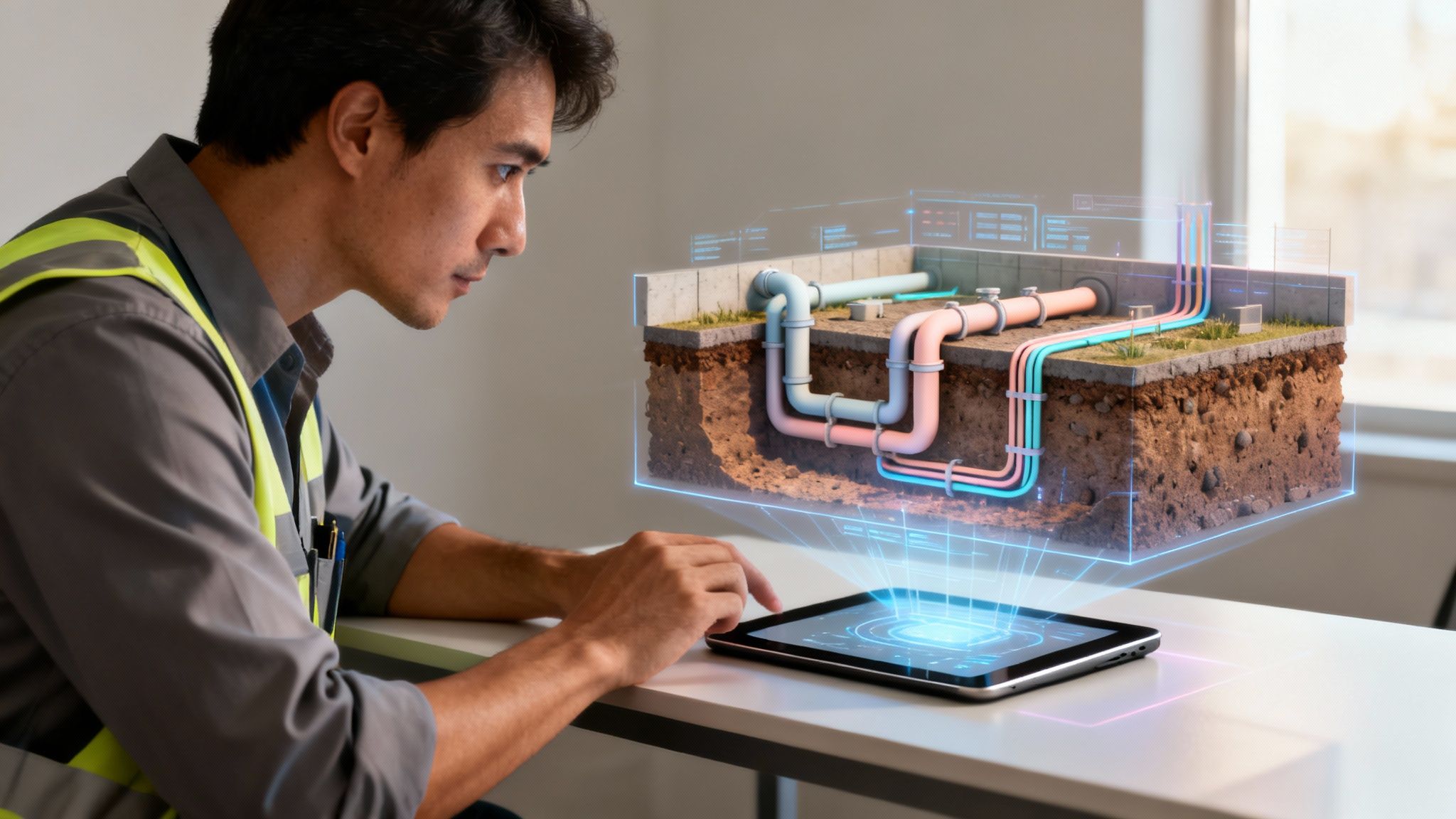
- Accurate Planning with Digital Models: Before starting a project, a company uses digital modeling to create a 3D plan of the site. This helps them spot potential problems, like a water line crossing a sewer line, before they start digging.
- Faster Problem Solving with Drones: On a large project site, a drone is used to quickly survey the area and check for issues like soil erosion. This is much faster and safer than having someone walk the entire site.
A tech-forward contractor shows their value by leveraging BIM modeling to preempt construction risks. This detailed digital plan helps find and fix issues before they become expensive problems. Companies like Coastal Pipeline use advanced diagnostic tools and clear communication to make every project run smoothly.
How to Get Started
Choosing a tech-forward partner is a key step in future-proofing your project. Here are four tips for finding the right one:
- Ask About Their Technology: During the hiring process, ask contractors what specific software and tools they use. Do they use digital mapping? Project management apps? Video inspection tools?
- Look for Transparency: A good partner will be open and honest about their process. Ask them how they will keep you updated on the project's progress. They should be able to provide clear, regular reports.
- Check Their Training: Technology is always changing. Ask if their team gets regular training on the latest tools and techniques. This shows they are committed to staying current.
- Request a Demonstration: If possible, ask the contractor to show you how they use their technology. A quick demo of their scheduling software or a sample video inspection report can tell you a lot about how they work. To see how modern technology streamlines projects, you can explore the benefits of advanced construction project scheduling software on coastalpipelineinc.com.
5-Point Comparison: Future-Proofing Underground Utilities (2026)
| Solution | Implementation Complexity 🔄 | Resource Requirements ⚡ | Expected Outcomes 📊 | Ideal Use Cases 💡 | Key Advantages ⭐ |
|---|---|---|---|---|---|
| Smart Utility Monitoring Systems with IoT Sensors | High — sensor deployment, network & SCADA integration; phased rollout | Moderate–High — sensors, low‑power comms, cloud/storage, skilled data/IT staff | Reduced unexpected failures (~40%), condition‑based maintenance, improved asset data | Aging networks, critical corridors, utilities needing predictive maintenance | Proactive failure detection, remote monitoring, lower O&M costs (⭐⭐⭐⭐) |
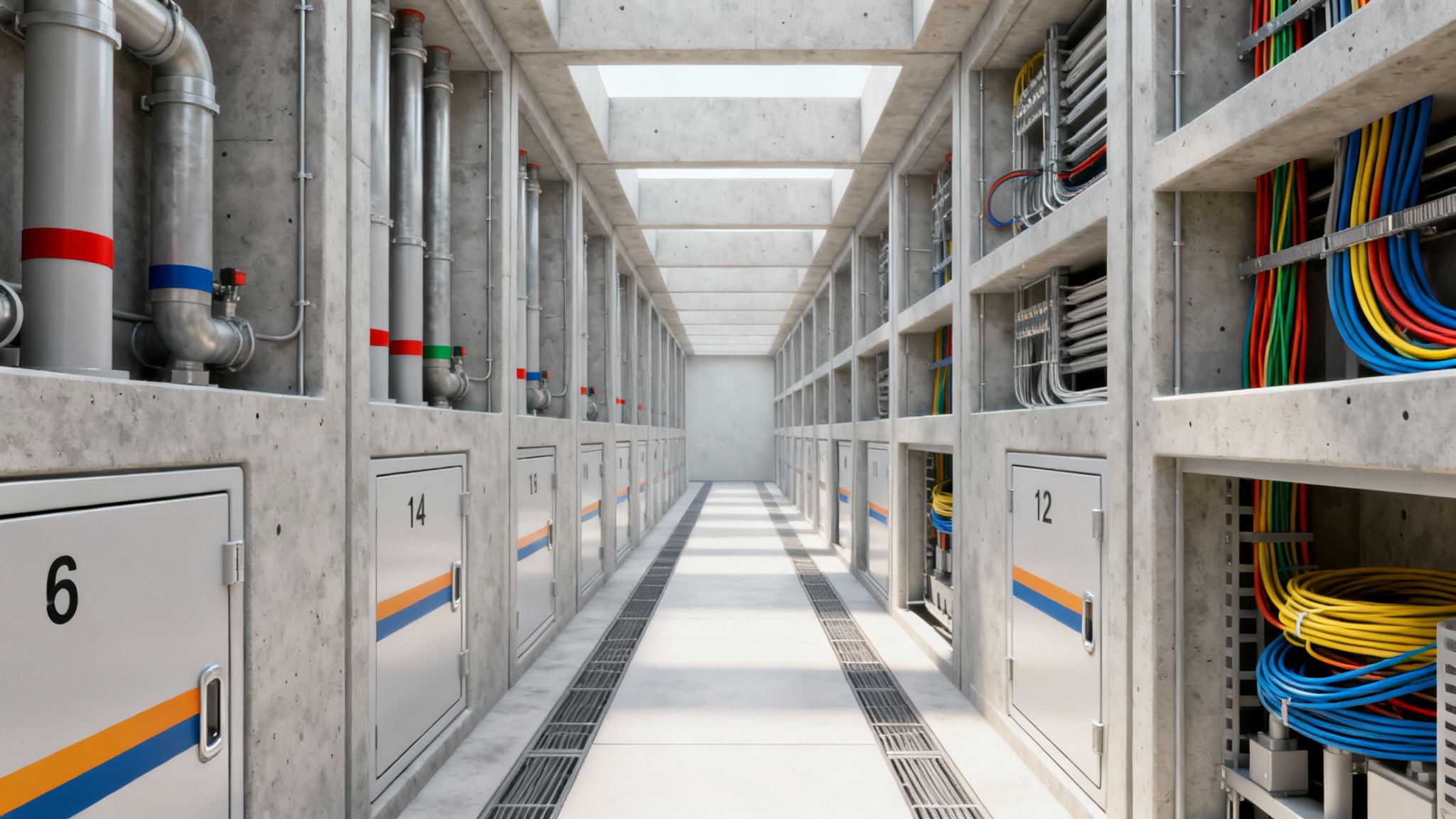
| Modular and Flexible Utility Corridor Design | Very High — extensive planning, coordinated construction and standards | High — upfront capital, engineering, multi‑agency coordination | Less future excavation/disruption, faster utility additions, safer maintenance | Dense urban renewal, new developments, long‑term city planning | Long‑term upgradeability, safety, reduced future disruption (⭐⭐⭐⭐) |
| Climate‑Resilient and Sustainable Materials Innovation | Medium — testing, QA and regulatory approval cycles | Moderate–High — higher material cost, specialized manufacturing, research partners | Longer asset life (+30–50 years), reduced maintenance, lower lifecycle emissions | Flood‑prone, corrosive soils, climate‑exposed infrastructure | Extended lifespan, self‑healing/reduced emergency repairs, sustainability gains (⭐⭐⭐⭐) |
| Decentralized and Distributed Utility Networks | High — system redesign, new operational & regulatory frameworks | High — microgrids, local treatment/storage, advanced metering & coordination | Increased resilience, lower transmission losses (15–25%), faster renewable integration | Resilience‑focused communities, pilot neighborhoods, remote or island grids | Reduces single‑point failures, enables local control and circular use (⭐⭐⭐⭐) |
| Digital Twin Technology and AI‑Powered Infrastructure Management | Very High — 3D modeling, continuous data sync, ML model development | Very High — massive data platforms, AI/GIS expertise, strong cybersecurity | Improved decision accuracy (40–60%), predictive/prescriptive maintenance, scenario testing | Large networks needing optimization, emergency planning, asset lifecycle management | Safe simulation of interventions, faster emergency response, operational optimization (⭐⭐⭐⭐⭐) |
Build Your Resilient Utility Solution for 2026
The old "wait until it breaks" way of handling underground utilities is over. As we look to 2026, the key to a safe and lasting future is found underground, and it requires a smart and proactive plan. The five methods in this article are not just separate ideas; they work together to create a new way of managing utilities. From using smart sensors for real-time checks to choosing strong, eco-friendly materials, these steps are a major change in how we build and care for our essential underground systems.
This change is about more than just stopping leaks. It’s about creating systems that can handle a changing climate, serve growing communities well, and support a stable economy. Being prepared is no longer optional. With stronger climate events happening across California, from big storms to long droughts, the need for infrastructure that can handle environmental stress is more important than ever. Upgrades are no longer just repairs; they are smart investments against future problems.
Key Takeaways for Proactive Utility Management
To master these ideas, you have to think beyond the old methods. Here are the most important takeaways to help you plan:
- Technology is a Key Partner: Using smart sensors and digital tools isn’t just for show. It gives you the power to predict problems. This technology lets you know where to spend your money for the best results, preventing expensive emergencies before they start.
- Sustainability Means a Longer Lifespan: The focus on green infrastructure is here to stay. Using sustainable materials and methods like trenchless technology is better for the environment, meets new rules, and makes your systems last longer. This gives you a better return on your investment.
- Proactive Upgrades Are an Opportunity: With a lot of money being spent on utilities, now is the time to get ahead. Instead of just fixing old pipes, you can redesign systems to be stronger and more efficient for decades to come. Seeing aging systems as a chance for smart upgrades is the key to building for the long term.
Your Actionable Next Steps
Turning these ideas into action starts with a good plan. First, check the condition of your current infrastructure using modern tools like video inspections to find weak spots. Second, create a multi-year improvement plan that focuses on the most important projects first and looks for ways to include these future-proofing ideas. Finally, and most importantly, hire a forward-thinking contractor who understands this new approach. People now expect to work with tech-savvy, open partners who can handle complex rules and get the job done right. Choosing the right team is the most important step in building a strong utility solution for 2026. The future of our communities depends on the strength of the systems we build today.
Ready to move from planning to action? If you are planning infrastructure upgrades in Monterey, Santa Cruz, or San Benito County, partner with a team that specializes in building sustainable, code-compliant, and resilient underground utility solutions. Contact Coastal Pipeline Inc. to see how our expertise in trenchless technology and modern installation practices can help you implement these 5 ways to future-proof underground utilities in 2026.