Utility readiness isn't just a technical term—it's the key to any successful public works project. It means making sure the underground work, like water, sewer, and gas lines, lines up with the project's schedule and budget. For local agencies and developers, this means you must plan early and hire the right contractor from the start. It’s the only way to avoid costly delays and keep the project on track.
The Critical Importance of Utility Readiness Today
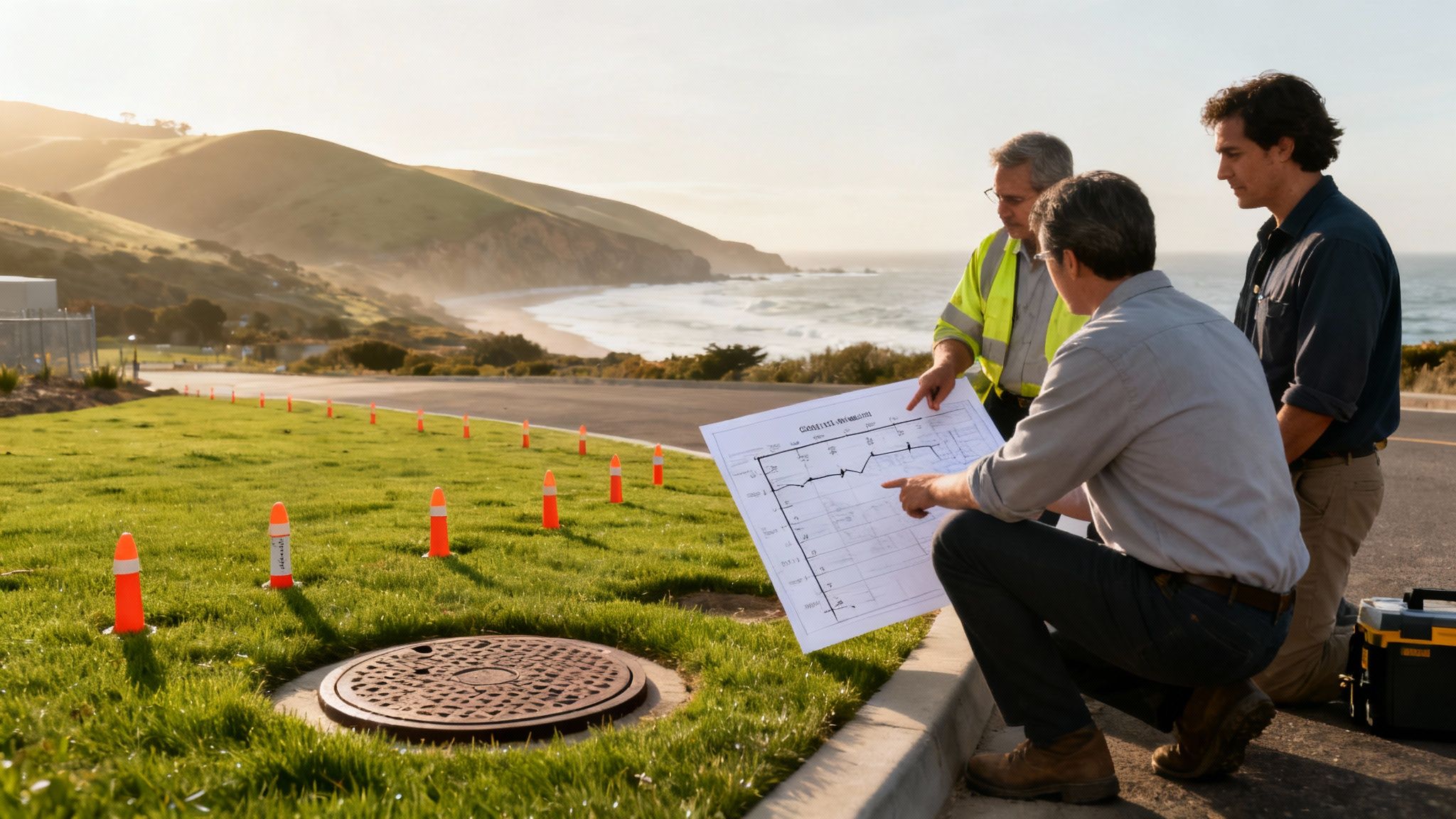
Here on the Central Coast, cities and counties are moving forward with long-delayed infrastructure upgrades. This is thanks to new funding from federal and state programs. Money is being set aside for water, sewer, storm drain, and road improvements. This is especially true in older neighborhoods and busy city areas. This regional push is speeding up timelines for public works projects that need skilled underground utility contractors.
This surge in projects impacts everyone. Municipal agencies, general contractors, and developers all need certified partners. They need help with trenching, utility tie-ins, and pipeline installations. But many projects have tight deadlines and permitting challenges. The high demand has created scheduling pressure. This means that those who plan ahead and hire qualified crews early will have a major advantage.
Why Proactive Coordination Is Non-Negotiable
Getting utility readiness right is the foundation of a successful project. If you don't get this part right, you could face budget overruns and blown deadlines. The whole process comes down to getting the right experts involved from the very beginning.
This proactive approach includes a few key actions:
- Early Contractor Vetting: Find and hire utility contractors who have a proven track record with city projects. They should also hold the right certifications, like those needed by PG&E.
- Integrated Scheduling: Add the utility work into the main project schedule. This helps you find and fix problems before they can slow things down.
- Permitting Strategy: Make a clear plan for meeting all local agency requirements to get your approvals without delays.
Public investment in water and sewer infrastructure is projected to grow by over 10% this year. Millions of dollars are going to Central Coast cities. This growth highlights the urgent need for qualified contractors who can keep up.
To understand what it takes to get ready, it's helpful to break down the main parts of utility preparedness. Each part supports the next, creating a solid foundation for your project.
Key Pillars of Utility Readiness
| Pillar | Description | Why It Matters for Local Agencies |
|---|---|---|
| Regulatory & Permitting | Handling the complex web of local, state, and federal permits needed for any underground utility work. | Secures legal authority to move forward and prevents stop-work orders, fines, or expensive redesigns. |
| Agency Coordination | Setting up clear communication between the city, county, utility providers, and developers. | Makes sure everyone is on the same page, reducing conflicts over land access and project timelines. |
| Design & Inspection | Following strict engineering standards and conducting thorough testing. | Guarantees the new infrastructure is safe, reliable, and built to last, protecting public health and lowering long-term repair costs. |
| Scheduling & Logistics | Fitting utility work into the main construction schedule, including traffic control and site access. | Prevents utility work from becoming a problem, keeping the whole project on schedule and limiting disruption to the community. |
Ultimately, mastering these four pillars is what makes a project smooth and on-budget instead of one filled with setbacks.
Partnering With A Specialized Contractor
Many contractors in our area focus more on private residential work. Or they lack the credentials needed for city projects. This is where a specialized company like Coastal Pipeline Inc. makes a difference. As a general engineering contractor, we have extensive experience supporting public infrastructure projects across the region.
Our team is certified for gas and electric utility trenching, fire line installation, storm drain system upgrades, and sewer/water line construction. To get a better sense of how these needs are reshaping our area, you can learn more by reading our article on the local construction boom driven by aging utility lines. Coastal’s proactive project coordination, safety rules, and local knowledge make us a reliable partner for cities and developers. We can help you work under complex timelines, reduce project risk, and streamline approvals.
If your agency or firm is planning infrastructure improvements in Monterey, Santa Cruz, or San Benito County, contact Coastal Pipeline Inc. Let’s discuss how we can support your underground utility scope with professionalism, speed, and full code compliance. Let’s build better infrastructure together.
Taming the Paperwork: Permits and Approvals
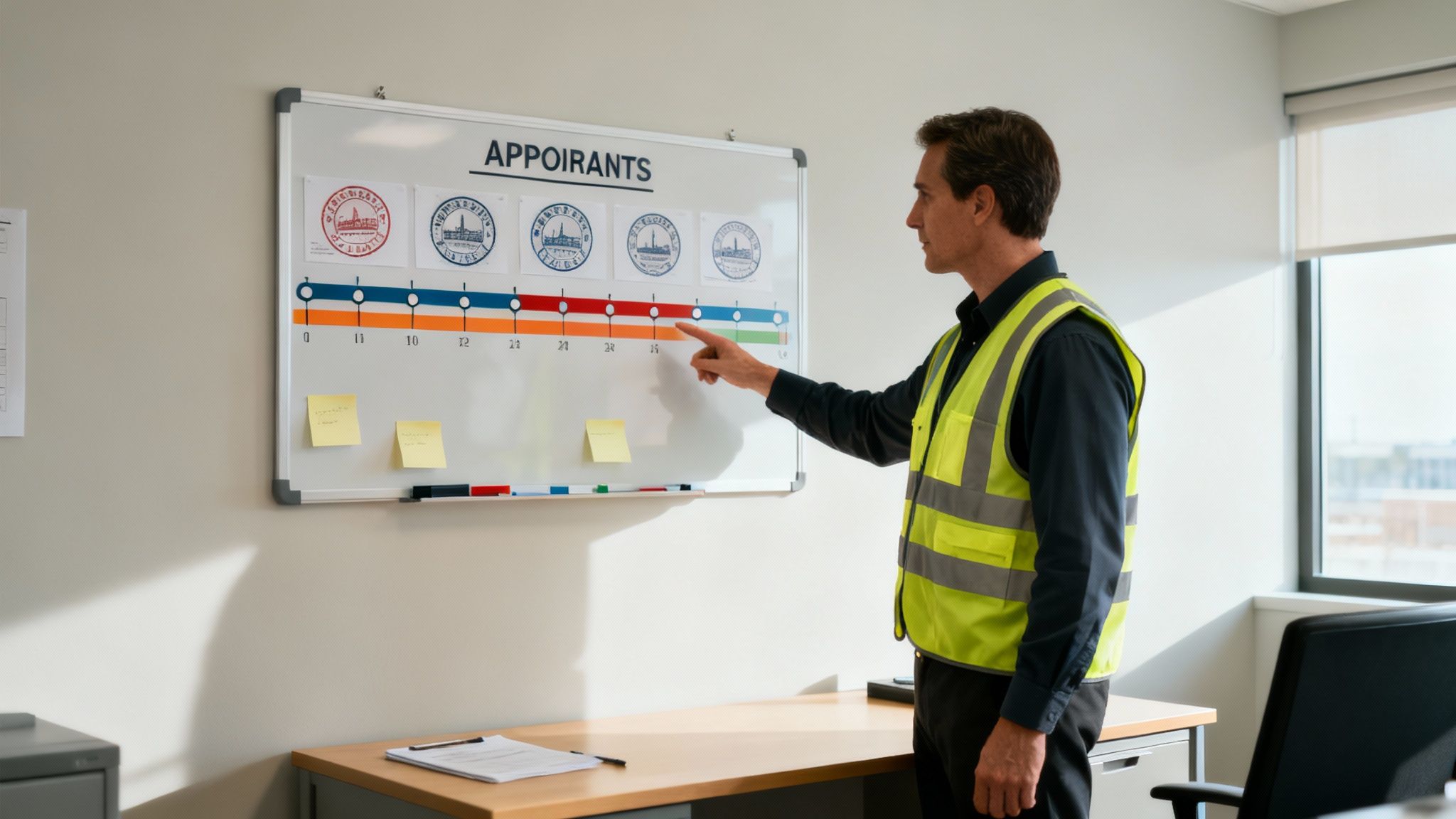
Getting the right permits for a public works project can feel like a full-time job. Before any digging can start, you need approval from a whole list of city, county, and sometimes state agencies. This is a critical step in getting utilities ready. It makes sure every part of the project follows safety and environmental rules.
Your project manager acts like a team captain for these approvals. Their job is to get the right application to the right agency at the right time. If you miss one permit, the whole project can stop, leading to serious and costly delays.
This process isn't just there to create headaches. It’s a system designed to protect public health, build lasting infrastructure, and keep the community safe. Still, the amount of paperwork and the number of people involved can be a lot to manage.
Who Holds the Keys? The Main Players in Permitting
For any big infrastructure job on the Central Coast, you will need approval from several key groups. Knowing who they are and what they need is the first step to a smoother process. Usually, you’ll deal with city public works departments, county planning offices, and regional environmental agencies.
Each of these groups has its own rules and schedule. A city might focus on traffic control and local building codes. The county might look at the bigger picture of land use and environmental impact. This is where getting on the same page early makes all the difference.
- Municipal Public Works Departments: These are the people who care about how your project connects to the city's existing system, like sewer and water lines. They will check your engineering plans to make sure they meet local standards.
- County Planning and Environmental Health: This is where the bigger reviews happen. Think environmental impact reports, soil stability checks, and water quality rules.
- Utility Providers (e.g., PG&E): You can't work near existing gas and electrical lines without approval from the utility companies. They have strict, certified procedures to keep everyone safe.
- State Agencies: If your project is near a state highway or a sensitive environmental area, you will likely need to answer to state groups like Caltrans.
This is where all that careful planning really pays off. A strong application that already answers the questions you know are coming can cut weeks off review times. It can also prevent a chain reaction of scheduling problems.
Handling these relationships is much easier with deep local knowledge. An experienced contractor knows exactly who to call and what to ask. They know how to present information to get a faster "yes." That kind of local expertise is priceless when you're trying to line up timelines from different agencies.
A Game Plan for Cutting Through the Red Tape
To avoid getting stuck, agencies and developers need a clear plan. This is more than just filling out forms. It's about building a process that keeps the project moving.
First, identify every single permit you’ll need at the start. Create a master list with the permit name, the agency in charge, deadlines, and how long you think the review will take. This list becomes your roadmap.
Next, talk to the agency staff early and often. Pre-application meetings are a great way to find potential problems before they become serious. This gives your design team a chance to make changes. This kind of open communication builds trust and shows you’re serious about doing things the right way. Our guide on water meter installation requirements is a perfect example of the specific standards you'll need to meet.
Finally, add your permitting schedule directly into the main project timeline. This makes sure construction doesn't start too soon and helps manage everyone's expectations. When you treat permitting as a core part of the project, you're setting yourself up for a much smoother ride.
Meeting a New Standard for Infrastructure Durability
Gone are the days when just putting pipes in the ground was enough. Today’s public works projects are about building infrastructure that will last for decades. This change means we must move past old habits and use strict technical standards. These standards ensure long-term strength and public safety. For any local agency or developer on the Central Coast, understanding these standards is the starting point for project readiness.
Think of these standards as a shared language for quality. They ensure that a sewer line in Monterey County is built to the same high quality as one in Santa Cruz. When a contractor understands and follows these codes, they're protecting the community’s investment. They are also preventing the kind of costly, disruptive repairs that make headlines.
This focus on quality is more important than ever. A recent report gave the nation's energy infrastructure a poor grade, reminding us of the risks of aging systems. The report stresses the need for regular inspections and strict reporting to ensure reliability. This lesson applies to all underground utilities. For a deeper look into these national challenges, Gordian's detailed report is an excellent resource.
Decoding Key Compliance Standards
At first, the world of utility rules can seem confusing. But these rules are the backbone of a safe and dependable public works project. An experienced contractor doesn't just follow these rules; they understand the "why" behind them.
Here are a few of the must-haves you'll see on any modern utility job:
- NASSCO/PACP: This is the gold standard for inspecting sewer lines. It’s a structured system that lets us find cracks, blockages, and other problems with great accuracy.
- Backflow Prevention: This is a public health requirement. These devices stop contaminated water from flowing back into the clean public water supply. Only certified installers can put them in and test them correctly.
- Water Line Testing: Before a new water line is used, it must pass pressure and purity tests. This proves there are no leaks and that the water is safe to drink, meeting all health codes.
A project built to these standards from the start avoids the expensive nightmare of having to redo work. It’s simple: build it right the first time so the system works for generations.
The Role of NASSCO PACP in Modern Sewer Assessments
Let's look closer at NASSCO PACP. Imagine two different inspectors looking at the same video of a sewer pipe. Without a shared system, one might call a fracture a "minor crack," while another calls it a "critical failure." That lack of consistency can lead to problems.
PACP gets rid of the guesswork by using a detailed, standard coding system. A certified technician guides a camera through the pipe, logging every observation with a specific code. The result is a clear, objective report that everyone, from the city engineer to the field crew, can understand.
This level of detail is a game-changer for making smart decisions. It helps public agencies to:
- Prioritize Repairs: Identify the most serious problems that need to be fixed right away.
- Plan for the Future: Use the data to predict long-term repair needs and budget for them.
- Ensure Accountability: Get proof that a new line is perfect before accepting it from the contractor.
When you hire a NASSCO-certified team, you're getting more than just an inspection. You're getting reliable data that builds a strong, long-lasting sewer system. You can see how these ideas connect to the bigger picture in our article on how sustainable practices are changing the industry.
Why Compliance Protects Your Project and Community
In the end, following these technical standards is all about managing risk. Every rule, from pressure testing a water main to certifying a backflow preventer, is there to stop a future failure. A contractor who is fluent in these rules is one of the most valuable assets you can have.
They become the guardians of quality on your job site. They make sure every joint is sealed, every pipe has the right slope, and every test is passed. This proactive focus doesn't just make for smoother final inspections. It builds lasting trust with the public. When people know their community's essential infrastructure is built to the highest standard, they gain confidence in their local leaders.
Mastering Project Schedules and Public Safety
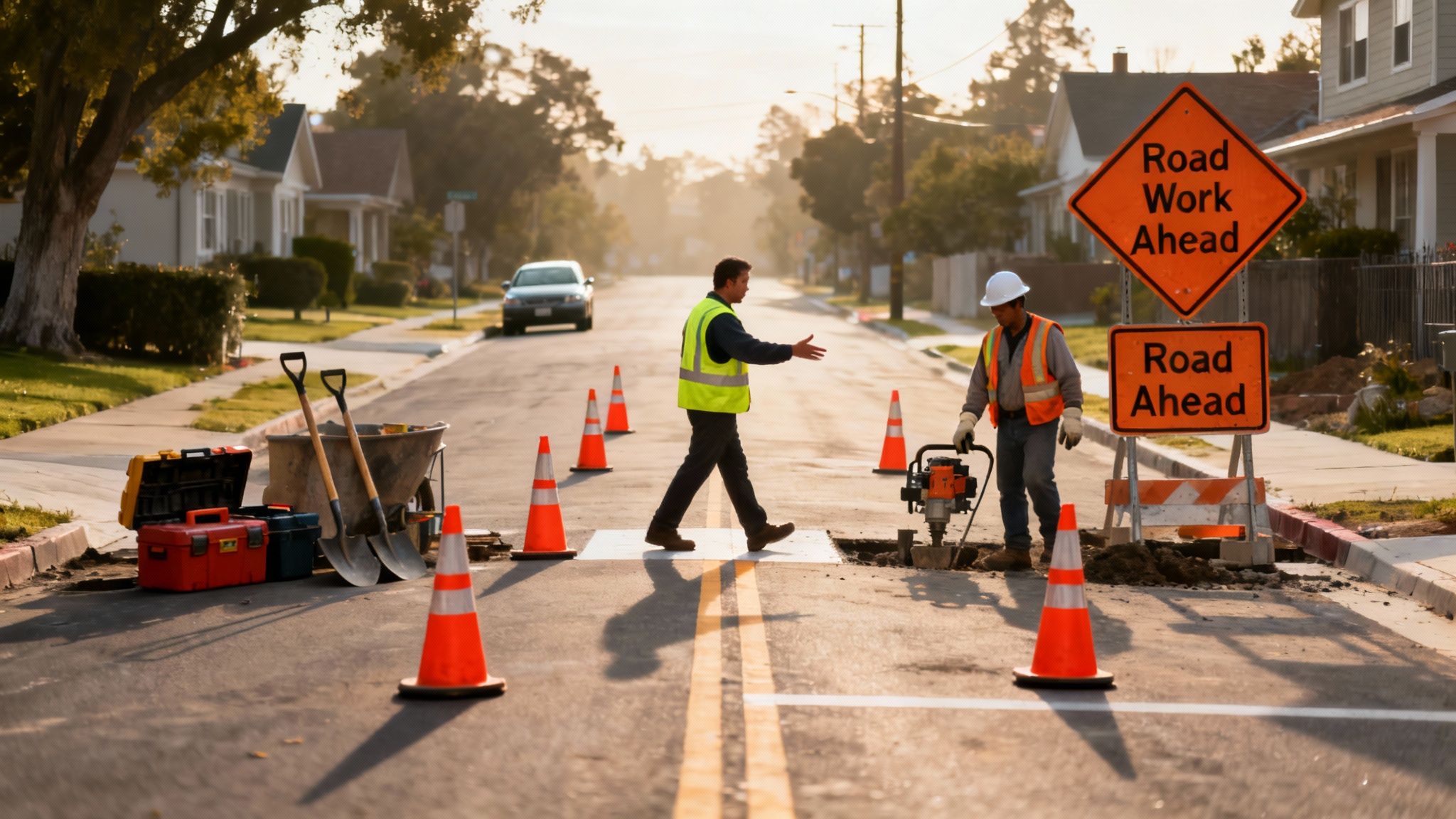
In public works, the project schedule is the heartbeat and public safety is the backbone. It's a careful balance, especially when you're digging up busy city streets. One wrong move can cause delays, budget problems, and, most importantly, put workers and the community at risk.
The secret isn't just about working faster; it's about working smarter. This means creating a phased construction schedule that breaks the project into logical, manageable parts. Instead of causing a massive disruption, you tackle one area at a time. This makes traffic detours easier to follow and ensures residents can still get to their homes. It's about being a good neighbor while still meeting your goals.
This kind of smart planning is more important than ever. City agencies and developers are under pressure to get projects done. But they often face tight deadlines and strict rules. With the current demand for skilled crews to handle trenching and pipeline replacements, scheduling has become a real challenge. Those who plan ahead and hire qualified partners early gain a serious advantage.
Building a Schedule That Works for Everyone
A well-planned schedule does more than just check boxes; it builds trust with the community. A careful, phased approach is far less disruptive than closing a major road for months. Getting this right depends on clear communication between the contractor, the city, and the public.
Here are a few practices that separate the pros from the rest:
- Community Outreach: Give residents and local businesses a heads-up long before work starts. A simple notice explaining the work, the timeline, and any traffic changes can make a big difference.
- Coordinated Traffic Management: A solid traffic control plan, approved by the local agency, is required. It keeps cars, cyclists, and pedestrians moving safely around the work zone.
- Smart Resource Allocation: The project only moves forward if the right crews, materials, and equipment are on-site at the right time. Good planning here prevents costly downtime.
Proactive risk management is what holds a project together, keeping it on track and keeping everyone safe. A contractor who expects problems—like surprise soil conditions—and has a backup plan is priceless. If you want to learn more, a great resource is Managing Risk in Project Management: A Practical Guide.
Prioritizing Safety at Every Step
While the schedule keeps the project on time, a strong safety plan is what keeps people safe. Let's be direct: underground utility work is one of the most dangerous jobs in construction. Following Occupational Safety and Health Administration (OSHA) rules isn't just about avoiding fines; it’s a moral duty.
A contractor with a clean safety record isn't just lucky. It shows a deep commitment to protecting their team and the public. This means building a true culture of safety. We cover this in more detail in our guide on essential construction site safety tips.
Here are the safety basics for any public works project:
- Trench Safety Systems: Never enter an unprotected trench. This means using trench boxes or shoring to prevent cave-ins, which are a leading cause of death in excavation work.
- Daily Site Inspections: Every day starts with a full site check. The goal is to find and fix hazards before they can cause an accident.
- Proper Utility Marking: Working with the local “Call Before You Dig” service (like 811) is essential. Correctly marked utilities prevent dangerous accidents.
- Personal Protective Equipment (PPE): Every person on site must have the right gear—hard hats, high-visibility vests, and steel-toed boots are the minimum.
At the end of the day, a project’s success is measured by more than its completion date. It's measured by its safety record. When an agency partners with a contractor who masters both scheduling and safety, they don’t just reduce risk—they build lasting trust in the community.
Choosing the Right Utility Contractor for Your Project
Choosing the right underground utility contractor is probably the most important decision a local agency or developer will make. This choice affects everything, from the budget and timeline to public safety. Getting this partnership right from the start is the best way to manage risk and set the project up for success.
With a recent increase in regional projects, the competition for qualified, reliable crews is high. Public investment in water and sewer infrastructure is set to grow by over 10% this year alone. This will bring millions of dollars to Central Coast cities. This boom puts a strain on the number of available workers, which makes doing your homework early more important than ever.
What to Look for When Vetting Contractors
Not every contractor is suited for city work. A lot of crews focus on private residential jobs and don't have the specific credentials or experience that public projects require. Your review process needs to be tough, focusing on real qualifications and a proven track record.
Here’s a checklist of what you should be looking for:
- Specialized Certifications: Certain credentials are a must. Look for PG&E gas and electric certification for anyone working near their lines, or NASSCO PACP certification for sewer inspections.
- Proven Municipal Experience: Always ask for a list of finished public works jobs in the area. This proves they know the local agency standards and how to work with them.
- Comprehensive Bonding and Insurance: The contractor must have enough bonding to cover the entire project. This protects public funds and guarantees the job gets done.
- Deep Local Knowledge: A contractor who understands Central Coast soil, knows the people at the permitting agencies, and can predict local problems is very valuable. This is a huge factor in preventing unexpected delays.
Choosing a partner is about more than just the lowest price. It’s about finding a team that acts like a part of your own. Their proactive communication, solid safety rules, and local expertise become your project’s greatest assets.
The Advantage of a Proactive Partner
A great contractor doesn't just follow the plan—they see problems before they happen. That forward-thinking approach is what separates the good from the great. For example, Coastal Pipeline Inc. has spent years supporting public infrastructure projects across Monterey, Santa Cruz, and San Benito Counties. Our deep roots here and focus on safety make us a go-to partner for cities and agencies managing complex jobs.
When you're looking at potential contractors, it can be helpful to look at how other large-scale public-private projects work. The lessons learned from successful fiber broadband contractors in public works initiatives show just how important special expertise is when public money is involved. A contractor who is ready to handle complicated utility work from day one can make the approval process smoother and lower the project's overall risk.
Questions You Need to Ask Potential Contractors
To really get a feel for a contractor's abilities, you have to ask the right questions. Move beyond the qualifications on paper and get a sense of how they operate in the field. We get into the details of this in our guide on how to properly hire subcontractors for your project.
Make sure to ask things like:
- Safety Record: "Can you show me your safety rating and give me details on your trench safety program?"
- Project Management: "How do you manage communication between all the different people—like city inspectors and the public?"
- Contingency Planning: "What is your plan when you find unexpected underground lines or difficult soil?"
How they answer these questions will tell you everything you need to know about their professionalism and whether they're truly prepared for the job.
If your agency or firm is planning infrastructure work in Monterey, Santa Cruz, or San Benito County, give Coastal Pipeline Inc. a call. Let's talk about how we can handle your underground utility scope with the speed, professionalism, and full code compliance your project deserves.
Your Essential Utility Readiness Checklist
Let's bring all these ideas together. Getting utilities right on a public works project isn't about one single step. It’s a process that starts long before any digging begins. This checklist is your practical guide, turning everything we've covered into clear steps for your next project on the California Central Coast.
Think of it as your game plan, taking you from the first idea all the way to the final approval. Follow these steps, and you’ll be in a much better position to avoid common problems and deliver a project that runs smoothly.
Pre-Planning Phase
Before any plans are drawn, the real work begins. This is your information-gathering stage. It’s all about mapping out the area and getting everyone on the same page to avoid costly surprises later.
- Map Out Your Stakeholders: Who is involved in this project? Create a master contact list of every party, from city departments and utility companies (like PG&E) to the business owners and residents near the work zone.
- Get Eyes on the Ground (and Under It): Start early soil tests and review old utility maps. You need a solid understanding of what you’re dealing with under the surface.
- Define the Utility Scope—Now: Don't be vague. The project plan needs to state exactly what utility work is included, whether it’s moving lines, major upgrades, or new installations.
Design and Permitting Phase
With your initial homework done, it's time to turn the plan into designs and start navigating the maze of rules. Careful paperwork and talking to the right people early are your best tools for keeping the project on track.
A well-prepared permit application that answers an agency’s questions ahead of time can save weeks, or even months, of review time. Don’t just submit; plan it out. This keeps the permitting process from slowing down your schedule.
Here’s what to focus on:
- Build a Master Permit Tracker: Create a simple spreadsheet listing every permit needed. Include the agency, deadlines, and a realistic estimate for how long each review will take.
- Marry the Utility and Civil Plans: Make sure the engineering drawings and utility designs are fully combined. Every connection point and potential conflict should be clearly marked.
- Talk to the Agencies—Early and Often: Set up pre-application meetings. A quick chat with the local planning department or the utility company can give you great feedback before you’ve spent a lot on a design.
Contractor Selection Phase
This is probably the most important decision you'll make. It’s tempting to just go with the lowest price, but a cheap bid from the wrong partner can cost you a fortune in the long run.
Look for utility contractors with a proven local track record. Do they have the right PG&E certifications? Do they understand trench safety? A contractor who is ready to go and already knows the local rules is a huge asset that lowers your project risk.
Here’s your vetting checklist:
- Verify Credentials: Don’t take their word for it. Confirm they have all the needed state licenses and any special certifications for the utility work.
- Check Local References: Call other public agencies or developers in the area. Ask them directly about their experience working with the contractor on a similar job.
- Dig Into Their Safety Record: Ask for their safety rating and their documented safety plans. A good safety record is a sign of a professional, well-run company.
Construction Phase
With the right team in place, it's time to get to work. Success in this final phase comes down to three things: careful oversight, constant communication, and a strong commitment to safety and quality.
- Keep the Lines of Communication Open: Schedule regular meetings between the project manager, the contractor's lead, and the on-site inspectors. No one should be guessing what’s happening.
- Enforce Safety Without Exception: This means daily site inspections and no shortcuts. Everyone on site must follow OSHA trenching and excavation standards.
- Be Relentless on Quality Control: Don’t wait until the end to find problems. Make sure all required tests, like pressure tests for water lines or certified video inspections for sewer lines, are done and passed before you accept the project.
Your Utility Readiness Questions, Answered
Understanding the utility side of a public works project can be a lot to handle. Many moving parts have to come together just right. Here are some of the most common questions we hear from Central Coast agencies and developers, with simple answers from our experience.
What's the Real First Step to Getting Utilities Right?
Before you even start designing, the first and most important step is proactive planning. It’s all about doing the homework upfront.
This means looking at records to find every existing underground utility. It also means getting all the key people in a room—from city departments to private companies like PG&E—to figure out who is responsible for what. Getting this groundwork done first prevents those "uh-oh" moments and costly surprises that can slow down a project later.
Why Does It Matter So Much Which Contractor We Hire?
Reviewing your utility contractor is one of the most important decisions you'll make. City projects are a different kind of challenge, with needs that many other contractors aren't ready for.
You need a partner who has been there and done that. Look for a team with a strong list of public works projects and special certifications (like those from PG&E). They should also have a deep understanding of local codes. A good contractor isn't just a hired company; they're your main defense against risk, making sure the job is done safely and correctly from the start.
This infographic breaks down the essential flow of a well-run utility readiness plan.
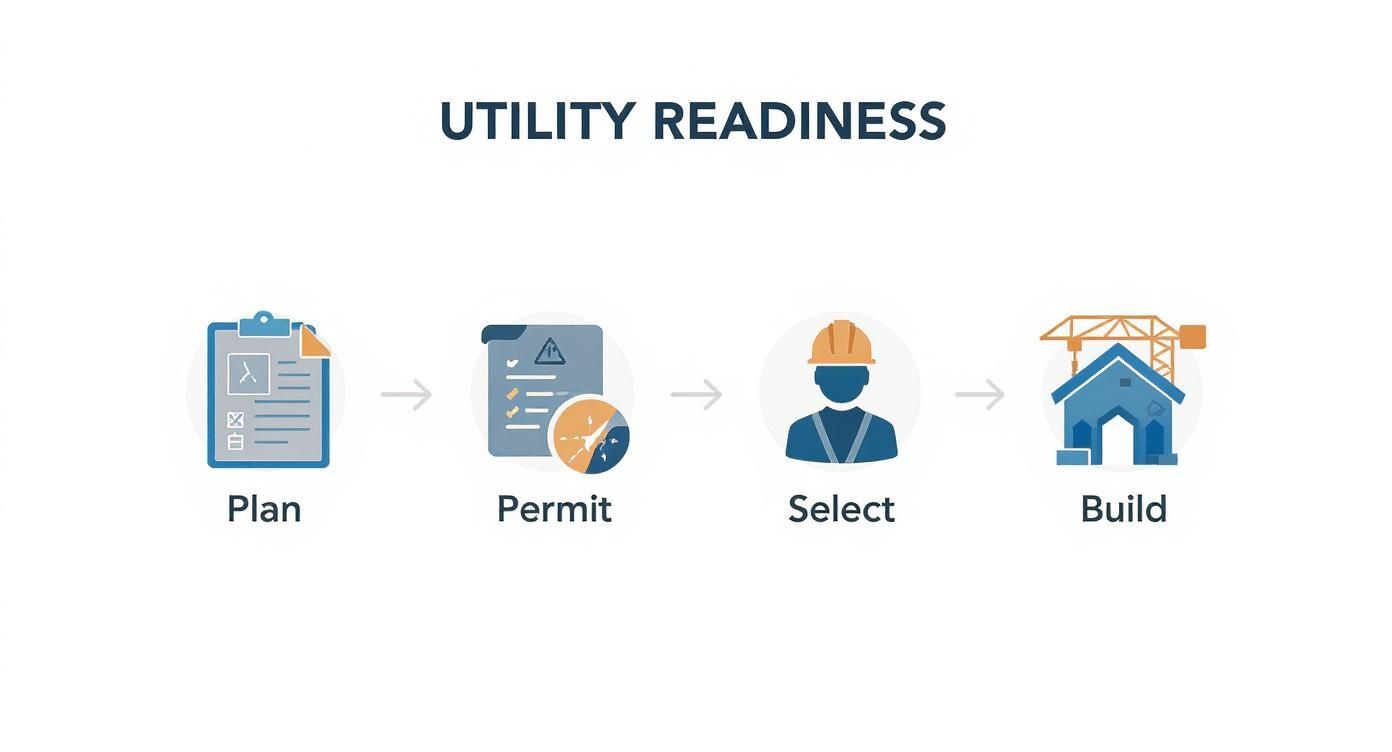
Think of it in four stages: Plan, Permit, Select, and Build. Following this order is the key to delivering the project smoothly and on schedule.
How Do We Keep the Community Happy During Construction?
Minimizing problems for residents and businesses comes down to two things: a smart, phased construction schedule and very clear communication.
Instead of trying to do everything at once, a skilled contractor will break the project into smaller, manageable parts. This approach, along with giving the community plenty of advance notice about traffic changes and work hours, goes a long way. It builds trust and keeps everyone safer.
With the current boom in publicly funded infrastructure, the competition for qualified crews is fierce. Locking in a skilled utility contractor early on is a massive strategic advantage. It secures the resources you need and helps you sidestep the scheduling crunch everyone else is facing. This is a critical piece of the puzzle for any agency focused on utility readiness for public works projects.
What's the Worst That Can Happen if Utility Coordination Fails?
When coordination breaks down, it creates a chain reaction of problems. The biggest risks are not just possibilities; they are very likely to happen.
- Crippling Delays: Hitting an unknown utility line can bring the entire job to a stop for weeks.
- Spiraling Costs: Emergency repairs, last-minute redesigns, and paying a crew to stand around will wreck a budget quickly.
- Serious Safety Risks: Unplanned digging is very dangerous, putting both workers and the public at risk.
- Failed Inspections: Any work that doesn't meet the strict standards of city inspectors will have to be torn out and redone—a costly and frustrating problem.
Having an experienced and proactive partner on your side is the single best way to avoid these common issues.
If your agency or development firm is gearing up for an infrastructure project in Monterey, Santa Cruz, or San Benito County, Coastal Pipeline Inc. is ready to help. Reach out to us to see how we can manage your underground utility work with the speed, professionalism, and full code compliance your project demands. Let’s build better infrastructure together.