The world of underground pipes is changing in 2026. The old way of digging up streets to fix problems is fading. Now, smart, modern, and less disruptive solutions are taking over. We are changing how we manage this important infrastructure.
New funding and technology are making this possible. Spending on sewer systems is at an all-time high. This allows cities and builders to create smarter and stronger networks that will last for a long time. For public works leaders, engineers, and contractors on California's Central Coast, knowing these trends is key to success. This new wave of smart sewer systems uses advanced civil engineering software like AutoCAD Civil 3D for better planning.
This article will guide you through the 5 trends transforming sewer line services in 2026. We will look at each trend, why it's important, and how it affects cities and contractors. From high-tech inspections to no-dig repairs, this information will help you make smart choices, save money, and keep your projects up to date. Let's dig in.
1. Infrastructure Funding Is Fueling Sewer Overhauls
For a long time, our underground pipes were ignored. The American Society of Civil Engineers (ASCE) often gave our wastewater systems a low grade of D+. This showed that we weren't investing enough money. But now, that is changing. A lot of new money from the government is finally fixing these important systems. This is one of the biggest trends changing sewer line services in 2026.
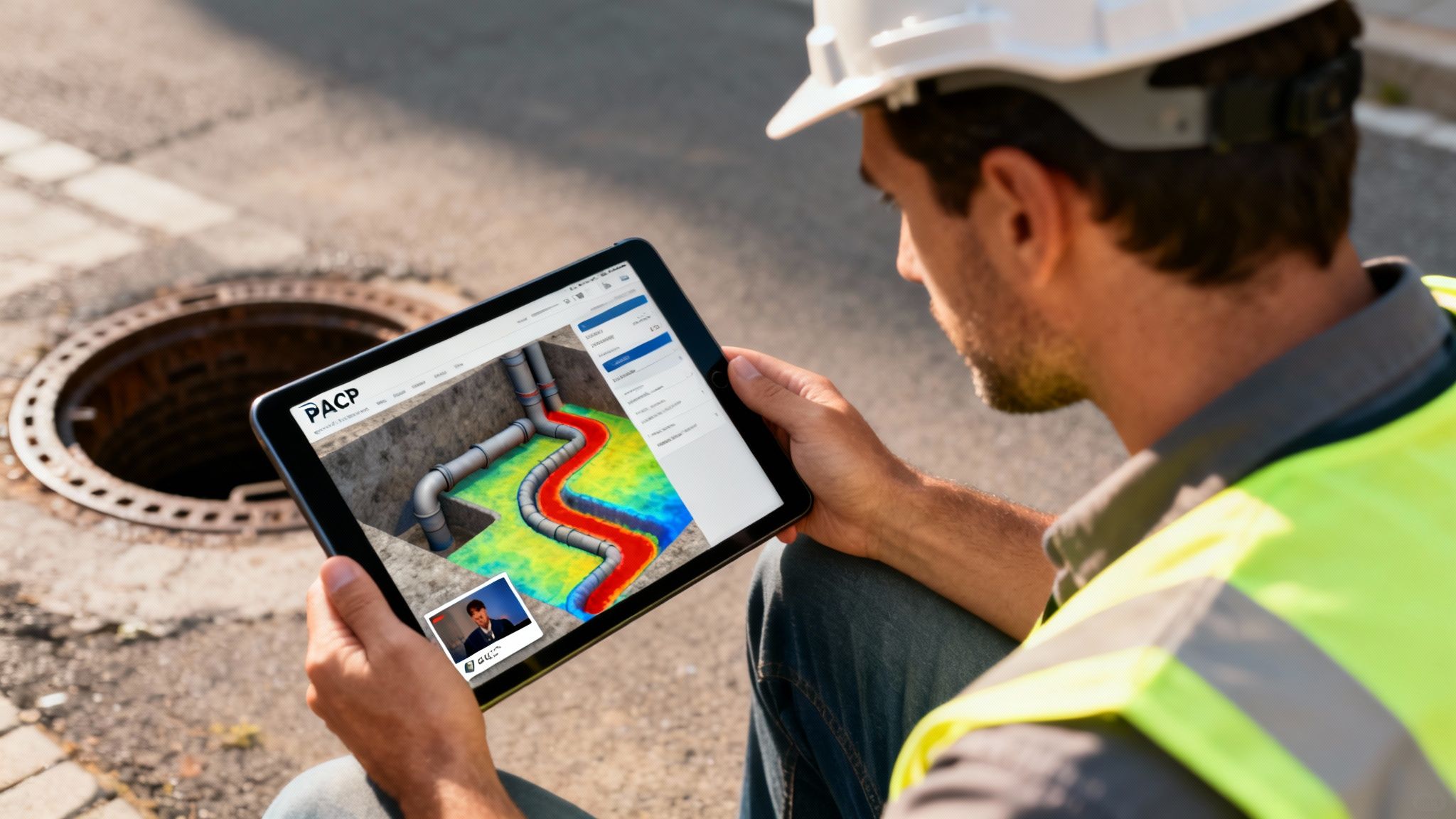
Thanks to new laws, spending on sewer and waste systems is set to grow by 11% to $48 billion in 2024. This growth will continue into 2026. This isn't just about fixing small leaks. It’s about a complete upgrade. Cities now have the money to stop reacting to emergencies and start planning for full replacements.
Why This Funding Matters Now
This money helps with problems that have been around for years. Many sewer pipes across the country are old and made of clay or cast iron. They are past their 50-year lifespan. These old pipes can crack, get blocked by roots, or collapse. This leads to expensive emergency repairs and can be a risk to public health. To learn more, it's helpful to know what property owners should know about aging sewer, water, and gas lines. This new funding allows cities to build strong systems ready for more people and a changing climate.
Key Insight: This funding is for modernizing systems. Projects that use new materials, no-dig technology, and detailed inspections are more likely to get money. It’s a full system upgrade, not just a quick fix.
Real-World Impacts and Opportunities
This trend is creating new chances for public works departments and the contractors they hire.
- For Cities and Public Agencies: This is a great time to work on long-term improvement plans. Cities like Santa Cruz and Seaside are using this money to replace large parts of their old sewer systems. This planned approach is cheaper than dealing with constant emergencies.
- For Contractors and Developers: The need for skilled and certified contractors is higher than ever. Projects paid for by the government have strict rules for safety and paperwork. Companies that can meet these rules will be in high demand.
Actionable Recommendations for 2026
To take advantage of this trend, planning is very important. Cities and contractors need to be ready to use this historic funding.
For City and Public Works Leaders:
- Use Data to Plan: Use certified video inspections to check your pipes. This will help you find and rank the areas that need fixing the most. This data is key for getting grants.
- Look for Funding: Besides the big government programs, look for other options. There are special US EPA Grant Funding opportunities that might fit your local needs.
- Bundle Projects: When you plan to fix a sewer line, check the nearby water and storm drain lines too. Replacing them all at once can save money and cause less disruption.
For Contractors, Engineers, and Developers:
- Get Pre-Qualified: Don't wait for a project to be announced. Register with local cities and counties now so you are ready when projects come up.
- Build Relationships: Connect with the engineering firms that design these big projects. Being a trusted partner early on can lead to more work.
- Stay Informed: Keep track of grant deadlines and rules. Helping your city clients understand the construction needs for a grant can make their application stronger and show you are a helpful partner.
2. Trenchless Tech Is Now the Gold Standard
For a long time, fixing a broken sewer line meant digging a big trench. This process was messy, slow, and expensive. It caused traffic jams and damaged property. But today, trenchless technologies are becoming the new standard for sewer repair. This is a major trend for 2026.
These modern methods let us fix or replace pipes with little or no digging. One method, pipe bursting, pulls a new pipe through the old one, breaking the old pipe apart. This no-dig technology is being used more and more, especially in busy cities and developed areas where digging is difficult.
Why This Technology Matters Now
The move to trenchless repair is happening because it saves money. Old digging methods have extra costs like traffic control and fixing roads and lawns. Trenchless methods cut down on these costs, making them a smart choice for fixing old pipes. As a result, trenchless sewer line repair is more cost-effective.
The technology is also getting better. Newer equipment for pipe bursting can handle bigger pipes with more accuracy. This means projects that used to need a lot of digging can now be done faster, more safely, and with less harm to the environment. For more information, you can learn about the cost-effectiveness of trenchless sewer line repair.
Key Insight: Trenchless technology is more than just a repair method. It’s a way to manage your assets. By creating a new pipe inside an old one, these methods can make a sewer system last 50 years longer. It’s a long-term solution that protects our communities.
Real-World Impacts and Opportunities
This trend is changing how projects are planned and completed. It creates new chances for public agencies and contractors.
- For Cities and Public Agencies: Trenchless methods are a big help for managing infrastructure. San Francisco, for example, has fixed over 150 miles of pipe using these methods since 2010. This helps cities fix important pipes without bothering residents and businesses.
- For Contractors and Developers: There is a growing need for contractors who know how to use trenchless technology. Companies that invest in the right equipment and training will have a big advantage. They can offer a better service that solves major problems for their clients, like finishing projects faster and at a lower cost.
Actionable Recommendations for 2026
To get the benefits of trenchless technology, both public and private leaders need to change how they plan and work.
For City and Public Works Leaders:
- Start with Inspections: Before any repair project, use certified video inspections to check the condition of the pipes. This data will tell you if a pipe is right for a trenchless repair.
- Bundle Projects by Area: Save money by grouping several trenchless projects in the same neighborhood. This cuts down on contractor costs and reduces disruption for the community.
- Update Your Rules: Make sure your city's rules and project documents allow for trenchless repair methods like pipe bursting. This will encourage contractors to offer modern and cost-saving ideas.
For Contractors, Engineers, and Developers:
- Get Certified: Get certifications from groups like NASSCO for video inspection and pipe repair. This shows you have the skills and is often needed for public projects.
- Offer a Complete Package: Provide a full service that includes inspection before the repair, the trenchless repair itself, and a check-up afterward. Clients like having one partner who handles everything.
- Educate Your Clients: Many people don't know about the benefits of trenchless technology. Explain to them how it saves money, causes less disruption, and lasts a long time. This will help you build trust and win more jobs.
3. Inspections Are Going High-Tech and High-Value
For years, finding problems in a sewer system meant waiting for something to go wrong. This reactive approach led to emergencies like backups or overflows. But now, a major shift is happening. One of the biggest trends in 2026 is using high-tech tools to find problems before they get serious. By using better inspection methods, cities can predict and fix issues early.
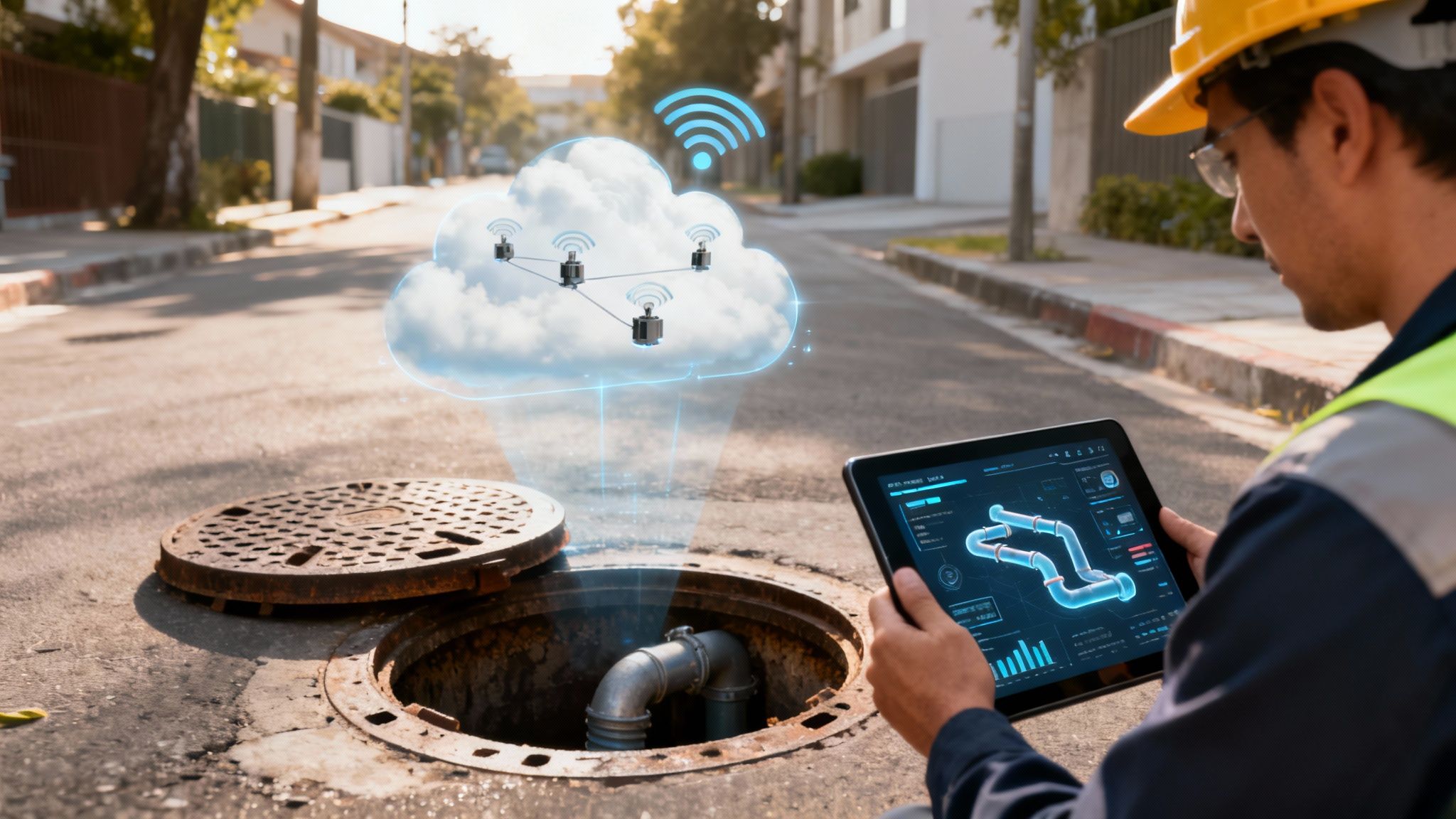
This trend is driven by NASSCO PACP-certified inspections. PACP stands for the Pipeline Assessment Certification Program. It's a standard way to inspect and record the condition of sewer pipes. This method uses advanced cameras and software to create detailed and accurate reports. These reports help engineers understand the health of the system and plan repairs wisely.
Why This Technology Matters Now
This technology changes sewer management from guessing to a science based on facts. With clear data, public works departments can find small problems before they become big, expensive emergencies. Instead of just reacting to a sewer backup, they can use the inspection data to find a small crack or blockage and fix it early.
This level of detail is key for managing old pipes. As you can read in how technology is transforming underground utility projects, this digital change gives cities more control. Cities are using these accurate inspections to prevent overflows, protect the environment, and avoid fines.
Key Insight: The real power of this trend is in planning. Accurate diagnostics help cities know exactly where to spend their money. This reduces long-term costs by fixing the right problems at the right time.
Real-World Impacts and Opportunities
The use of high-tech inspections is changing how public agencies and contractors work.
- For Cities and Public Agencies: This is a chance to manage assets better and lower costs. By using PACP-certified data, cities can prove where money is needed most. This helps them get grants and plan their budgets more effectively.
- For Contractors and Engineers: The demand is shifting to partners who are experts in this technology. Companies with certified inspectors have a big advantage. They can provide the high-quality data that cities need to make smart decisions about repairs.
Actionable Recommendations for 2026
To use this powerful trend, cities and their partners must take a smart, step-by-step approach. The goal is to build a smarter, stronger sewer network.
For City and Public Works Leaders:
- Start with a Pilot Program: Pick a problem area, like a neighborhood with frequent backups, and do a full PACP inspection. Use this project to show the value of good data and build support for using it city-wide.
- Connect with Existing Systems: Choose inspection software that works with your current mapping and asset management tools. This creates one place for all your pipe data, making work easier for everyone.
- Plan Maintenance with Data: Use the inspection reports to move from a fixed schedule to a condition-based one. Send cleaning and repair crews where the data shows they are needed most, not just because it's on a calendar.
For Contractors, Engineers, and Developers:
- Get Your Team Certified: Train your field crews to get PACP certification from NASSCO. This proves your expertise and is often a requirement for city projects.
- Offer Data as a Service: Be more than just a contractor. Help your city clients understand and use the data from your inspections. Turn the data into clear action plans for repairs.
- Use Data to Support Projects: For engineers, inspection data is a powerful tool. Use it to show city leaders exactly why a trenchless repair or pipe replacement is needed and how it will prevent future problems.
4. Water Line Upgrades Go Hand-in-Hand
For years, sewer and water line projects were often done separately. A city might fix a sewer line one year and then dig up the same street a few years later to replace a water main. This approach was inefficient and disruptive. In 2026, a smarter trend is taking hold: combining water and sewer projects into one complete package.
This trend is driven by the need for efficiency and long-term planning. Many sewer upgrades are now tied to full underground utility projects. This means when a sewer line is replaced, the nearby water lines are often replaced at the same time. This saves time, money, and reduces the hassle for the community.
Why This Trend Matters Now
This approach makes sense because many of our water and sewer pipes are the same age and are buried next to each other. Fixing them together addresses all the old infrastructure in one go. It prevents having to dig up the same street multiple times. For these combined projects, modern materials like HDPE (high-density polyethylene) or ductile iron are often used for both water and sewer lines because they are strong and last a very long time.
This holistic approach is a key part of building strong and resilient utility systems. You can learn more about how sustainable practices are building resilient underground utilities.
Key Insight: Combining water and sewer projects is about getting the most value out of every dollar and every road closure. It turns a simple repair job into a full system upgrade that will serve the community for decades.
Real-World Impacts and Opportunities
This trend is changing how projects are planned and how contractors need to be skilled.
- For Cities and Public Agencies: This is a chance to save a lot of money and make residents happy. By bundling projects, cities can reduce the total cost of construction and design. They also minimize traffic and noise, which is great for the community.
- For Contractors and Developers: The demand is growing for contractors who can handle both water and sewer pipelines. Companies with skills in both areas can offer a complete solution. This makes them more valuable partners for cities and developers who want a single, reliable team for the entire project.
Actionable Recommendations for 2026
To take advantage of this trend, both public and private leaders need to think bigger and plan more carefully.
For City and Public Works Leaders:
- Update Your Planning: When you create your city's improvement plans, look for opportunities to combine sewer, water, and even storm drain projects in the same area.
- Work with Other Departments: Make sure your water and wastewater departments are talking to each other. Coordinated planning is key to making these bundled projects successful.
- Seek Funding for Full Upgrades: When you apply for grants, frame your project as a complete utility overhaul. This often makes the project more appealing to funding agencies because it offers more benefits.
For Contractors, Engineers, and Developers:
- Expand Your Skills: Train your crews to be experts in installing both water and sewer lines, including modern materials like HDPE.
- Market Your Full-Service Skills: When you bid on projects, highlight your ability to handle the entire underground utility package. Show how this can save the client time and money.
- Partner with Engineers: Work closely with the engineering firms that design these projects. Being able to offer both services can make you a preferred contractor from the start.
5. Coastal Pipeline Brings Certified Compliance & Emergency Readiness
In a world where sewer line services are quickly changing, having a reliable partner is more important than ever. The trends of 2026—from new funding and trenchless tech to high-tech inspections and combined utility projects—are creating a market with higher demand and tighter deadlines. To succeed, cities and developers need a contractor who is already an expert in these modern methods.
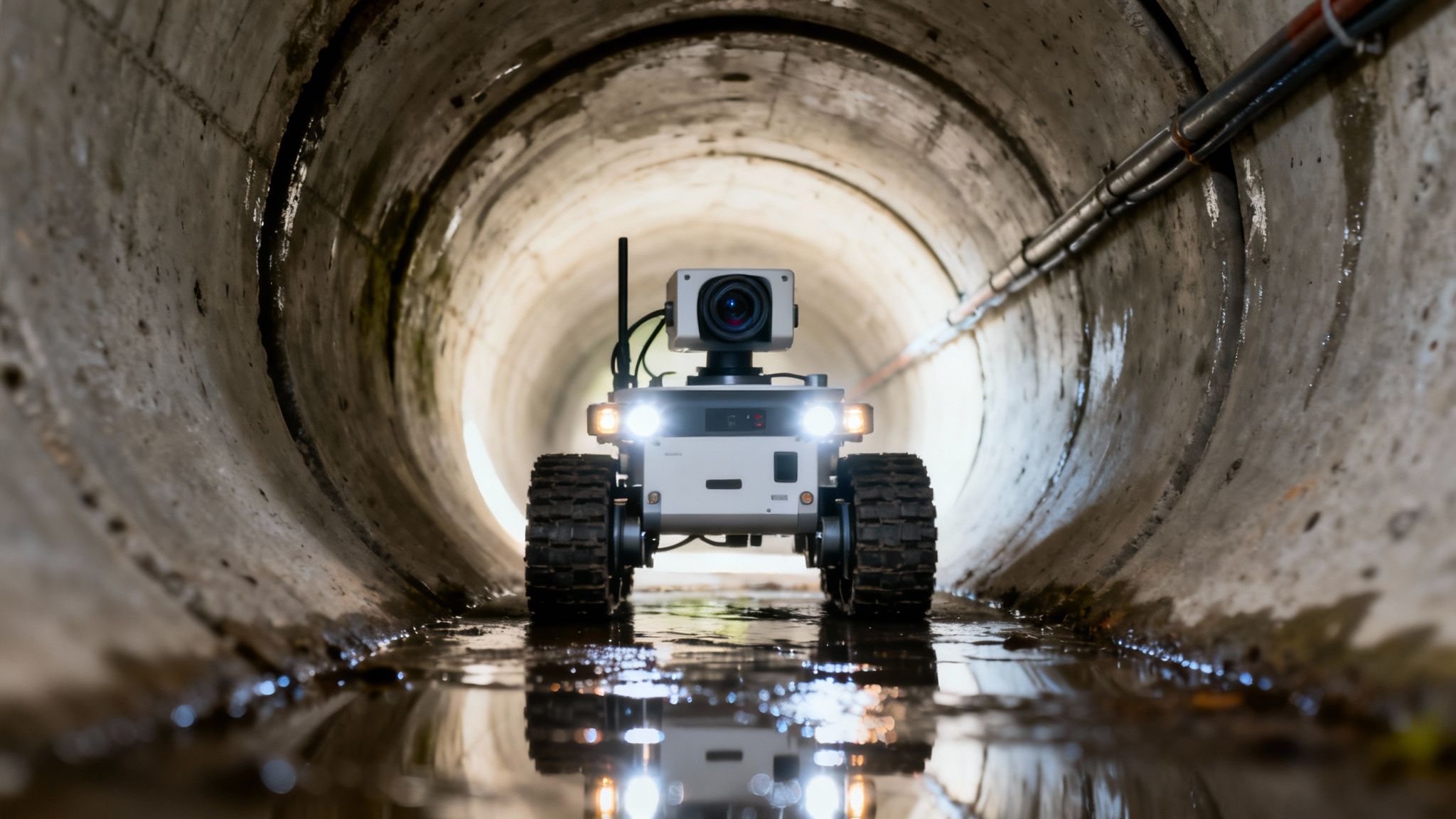
This final trend is about being prepared and certified. It's not enough to just have the right equipment. Contractors must have the training and certifications to meet modern standards. This ensures that every project is done correctly, safely, and in line with local rules. It also means being ready to respond quickly when emergencies happen.
Why This Matters Now
As cities get more funding for big projects, they also have to follow more rules. NASSCO PACP-certified video inspections are now the standard for getting accurate data. Trenchless methods like pipe bursting require special skills to be done right. And with combined utility projects, contractors must know how to connect new water and sewer lines properly.
Having a team that is certified in all these areas is a huge advantage. It gives clients peace of mind that the job will be done right the first time. It also helps projects stay on schedule and on budget. In an emergency, a prepared team can act fast to prevent bigger problems, as you can learn in fast action on utility repairs can save thousands.
Key Insight: In the modern market, certification is not just a piece of paper—it's proof of quality and readiness. A certified team delivers solutions built for 2026 and beyond.
Real-World Impacts and Opportunities
This trend separates the experts from the rest.
- For Cities and Public Agencies: Working with a certified and prepared contractor like Coastal Pipeline reduces risk. It ensures that your big investments in infrastructure are built to last and meet all codes. It also means you have a trusted partner ready for any emergency.
- Coastal Pipeline’s Role: Our crews are trained and certified in the key areas shaping 2026. We are experts in PACP-certified video inspections, trenchless pipe bursting, and combined water and sewer line replacements. We know the Central Coast codes and timelines, so we deliver results you can count on.
Actionable Recommendations for 2026
To be ready for the future of sewer services, it's important to choose the right partner.
For City and Public Works Leaders:
- Require Certifications: When you ask for bids on projects, make sure you require certifications like NASSCO PACP for inspections. This will help you hire only qualified contractors.
- Check for Local Experience: Choose a contractor who knows your local area. They will understand the specific challenges and rules, which helps projects go smoothly.
- Build a Relationship for Emergencies: Have a trusted, ready-to-go contractor on call for emergencies. This will save you valuable time and money when something goes wrong.
Why Choose Coastal Pipeline:
- We are Certified: Our team holds the certifications needed for modern sewer projects.
- We are Experienced: We have a proven track record of success with trenchless technology and utility replacements on the Central Coast.
- We are Ready: We deliver infrastructure solutions built for the demands of 2026 and beyond.
Partnering for Progress: Building the Infrastructure of 2026 Today
The world of underground pipes is changing fast. The 5 trends transforming sewer line services in 2026 are already here. They are changing how we manage our important wastewater systems. From smart tech that predicts problems to robots that inspect pipes, the future is about working smarter. This is a big change from just reacting to problems to actively managing our systems with good data.
For city leaders, engineers, and developers, this is a great chance to build stronger and more efficient sewer systems. High-tech inspections and no-dig repairs like pipe bursting save money and cause less disruption to the public. This is a big help when budgets are tight and pipes are getting old.
From Trends to Actionable Strategy
Using these trends is no longer a choice. It is the best way to protect public health, the environment, and our communities' finances. To embrace these changes means:
- Using Data Over Guessing: Moving from simple schedules to a maintenance plan based on real data from inspections.
- Investing in Precision: Using modern tools for inspections and repairs to improve safety and make pipes last longer.
- Adopting No-Dig Methods: Making trenchless repair the first choice when possible to save time and money.
- Focusing on a Healthy Environment: Seeing green practices not as an extra, but as a key part of a smart sewer management plan.
These five trends are setting a new standard. It's a standard where cities can prevent major failures, spend money wisely, and build systems ready for the future. The time of just fixing broken pipes is over. The time of smart, predictive, and sustainable infrastructure is here. The path forward is clear. It requires a commitment to new ideas and a partnership with experts who already know the technology of tomorrow. The work we do today is building a better 2026 and beyond.
Ready to modernize your infrastructure with the strategies defining the future? The experts at Coastal Pipeline Inc. specialize in the advanced, certified solutions needed to navigate these transformative trends, from high-tech inspections to trenchless repairs. Visit Coastal Pipeline Inc. to learn how we can help you build the resilient sewer systems of tomorrow, today.