
Your property's underground water line is its most important lifeline. You never see it, so it's easy to forget about it—until it breaks. Across the country, over 260,000 water main breaks happen every year. An emergency repair can cost thousands more than a planned replacement. As we head into 2026, old pipes, new city rules, and better materials are changing how we install water lines. Replacing a water line is more than just digging a trench. It's a complex project that needs to be done carefully, safely, and by the rules.
A good water line replacement starts with careful planning and an honest price. For more on getting accurate prices, check out this guide on Avoiding Common Mistakes in Plumbing Service Estimating. Taking shortcuts or hiring the wrong team can lead to big problems. This includes property damage, long water shutoffs, big fines, and having to redo the whole job just a few years later.
Before you start digging, knowing the common problems is the best way to protect your property. This guide will show you the five biggest and most expensive mistakes to avoid when replacing a water line in 2026. We will give you the expert tips you need to handle the process and make sure the job is done right the first time.
1. Waiting Costs More Than Acting Early
One of the biggest mistakes is waiting for your water line to fail. Over 260,000 water main breaks happen every year, and the average emergency repair costs thousands more than a planned replacement. When you act early, you can schedule the work and avoid the chaos of a sudden break. A proactive installation avoids last-minute digging, water damage, and the high price tag that comes with a rushed repair. This is a key reason why so many projects, especially in older neighborhoods, go wrong when they are treated as an emergency instead of a planned upgrade.
The Real-World Consequences of Waiting
When a water line breaks unexpectedly, it's not a small problem. It's a major event with serious costs.
- Safety Hazards: A broken water line can wash out the ground, creating sinkholes or damaging foundations.
- Service Interruptions: A break means no water for your home or business, which can last for days. In Santa Cruz, a commercial property lost thousands in business when their line broke without warning.
- Costly Emergency Repairs: An emergency crew costs a lot more than a scheduled one. A homeowner in Monterey County paid nearly double for an emergency weekend repair compared to what a planned replacement would have cost.
Key Insight: The cost of planning ahead is a small fraction of the cost of cleaning up after a disaster. Being proactive is the best way to avoid the high price of an emergency repair.
Your Actionable Prevention Checklist for 2026
To stay ahead of problems, use this simple checklist. This isn't just a list of tips; it's a smart way to manage your property.
- Know the Age of Your Line: If your home was built before 1980, your water line might be nearing the end of its life. Find out what it's made of and how old it is.
- Look for Warning Signs: Pay attention to low water pressure, discolored water, or wet spots in your yard. These are all signs that your line could be failing.
- Get a Professional Inspection: Have a professional contractor inspect your water line. They can use cameras to see the condition of the pipe from the inside.
- Plan for the Future: If your line is old, start budgeting for a replacement now. Don't wait for it to break. Getting quotes ahead of time helps you make a smart choice without the pressure of an emergency.
- Understand Your Responsibility: Know where the city's water line ends and your private line begins. You are responsible for the pipe on your property.
By planning, you can avoid the stress and high cost of an emergency. Understanding the signs that it's time to upgrade your water lines can help you make these decisions proactively.
2. Shock at the Price Is Common—But Explainable
When homeowners see a $20,000+ quote for a water line replacement, it’s easy to assume it’s inflated. This "sticker shock" is one of the main reasons people delay the work or look for cheap, unqualified help. But that price isn't pulled out of thin air. Most of that cost comes from the realities of heavy machinery, the depth of the line, city permits, safety rules, and fully restoring your yard or driveway when the job is done. At Coastal Pipeline, we break it all down for you—no hidden fees, no confusion. Just clarity.
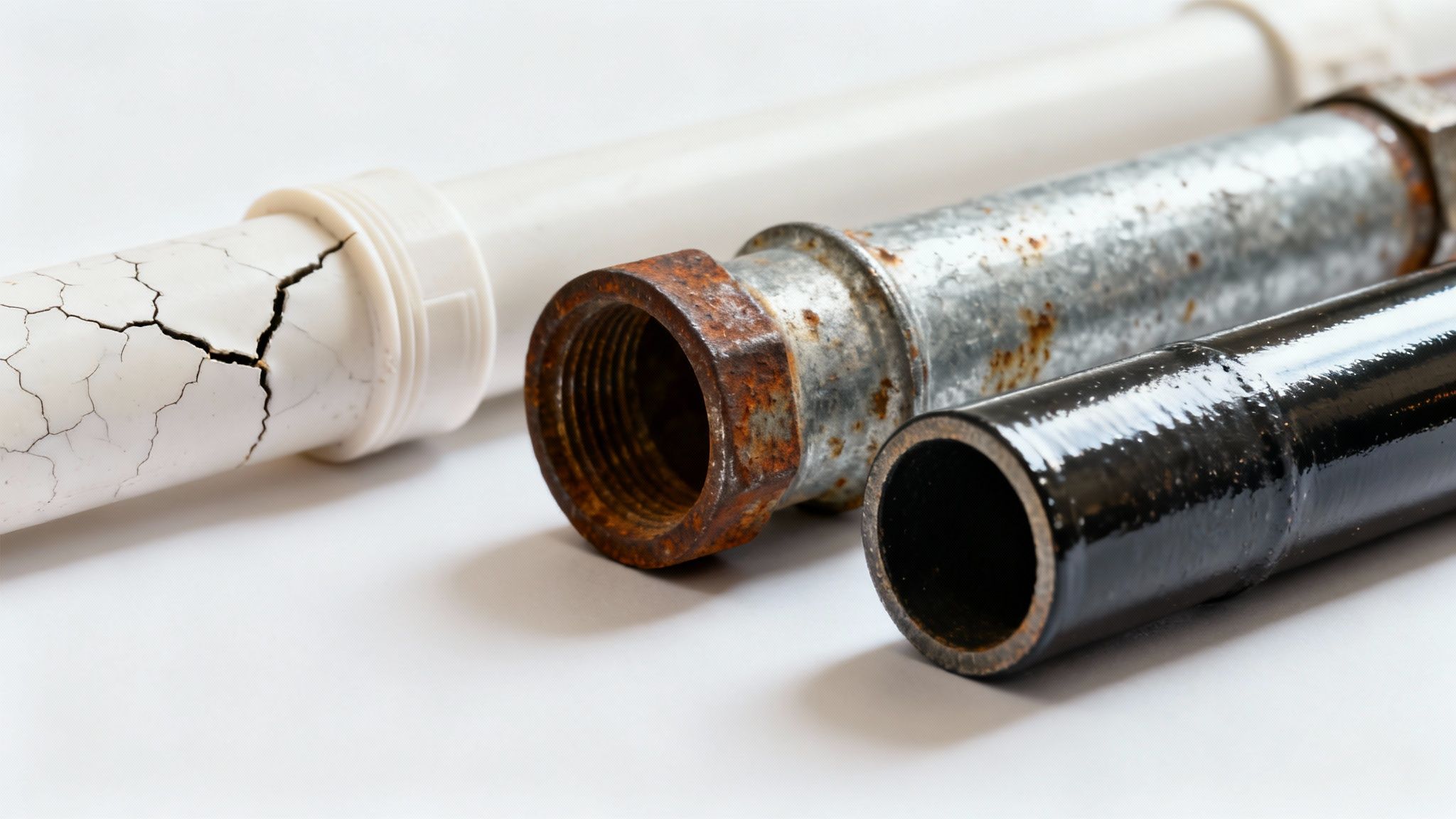
A cheap quote often means corners are being cut. This could be using the wrong materials, not following safety rules, or skipping important steps. In areas like Santa Cruz and Monterey, the soil can be tricky, and city rules are strict. A lowball offer often leads to bigger costs down the road.
The Real-World Consequences of a Lowball Quote
Choosing the cheapest option can turn a planned project into a disaster.
- Project Failure: A homeowner in Santa Cruz went with a low bid. The contractor used the wrong pipe for the salty soil, and it started leaking within three years, requiring a full replacement.
- Hidden Costs: A business in Monterey County got a cheap quote that didn't include the cost of permits or repaving the parking lot. The final bill was nearly double the original quote.
- Safety Risks: An unqualified handyman tried to replace a water line but didn't call 811 to mark other utility lines. He hit a gas line, causing a dangerous leak and an emergency evacuation.
Key Insight: A professional quote includes everything needed to do the job right: skilled labor, proper equipment, quality materials, permits, and restoration. A price that seems too good to be true usually is.
Your Actionable Prevention Checklist for 2026
To make sure you get a fair price for quality work, follow these steps.
- Get Detailed, Written Quotes: Ask for a breakdown of all costs, including labor, materials, permits, equipment, and restoration. A professional company will provide this.
- Compare Apples to Apples: When you compare quotes, make sure each one includes the same scope of work. A cheap quote might leave out important things like fixing your driveway.
- Check for Licenses and Insurance: Only hire contractors who are licensed and insured. This protects you if something goes wrong.
- Ask About the Materials: Make sure the quote specifies high-quality, long-lasting pipe materials suitable for your area.
- Use Modern Tools: Tools like plumbing estimating software help good contractors provide accurate and fair prices by accounting for all variables.
- Don't Make Price the Only Factor: Consider the contractor's experience, reputation, and the quality of their work. A job done right the first time is the best value.
By understanding what goes into the cost, you can make an informed decision and invest in a water line that will last for decades.
3. DIY Isn’t Just Risky—It’s Illegal Without Permits
Trying to save money by doing a water line replacement yourself is a huge mistake. We’ve seen homeowners attempt to save money by digging their own trench or skipping city inspections. But underground water line work isn't a simple plumbing fix. It involves calling 811 to mark other utilities, pressure testing the new pipe, and connecting to the city's water main—all of which require licensed professionals. Trying to do it yourself can lead to big fines, frustrating delays, and having to pay a professional to redo the entire job.
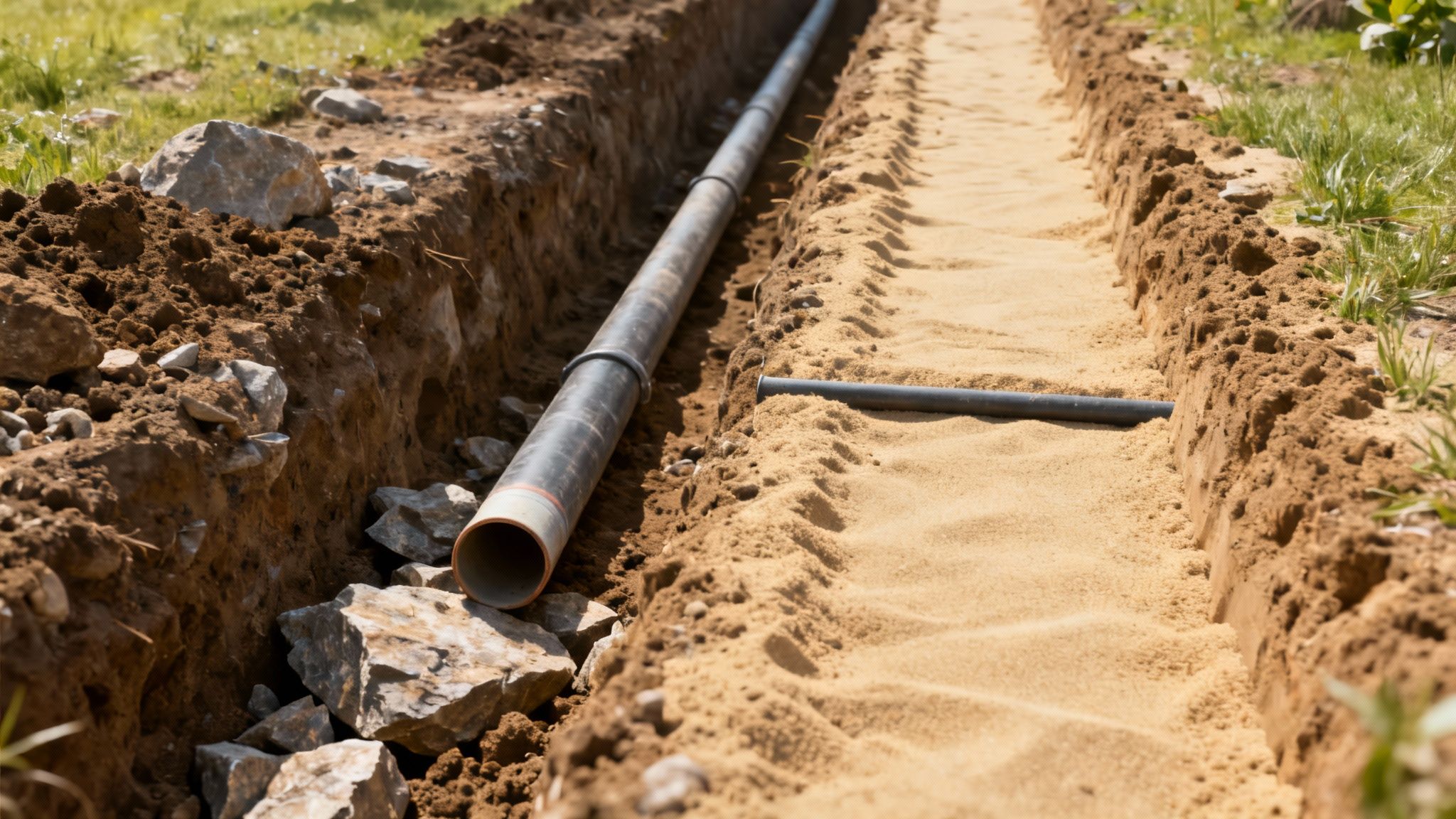
Digging a trench is just one small part of the job. You have to know how deep to dig, what kind of soil you have, and how to protect the trench from collapsing. In California, there are strict safety rules for this. Not following them can be dangerous or even deadly.
The Real-World Consequences of a DIY Attempt
When homeowners try to do this work themselves, the results are often costly and dangerous.
- Hitting Other Utilities: A homeowner in San Benito County thought he knew where his gas line was and started digging. He was wrong. He hit the line, causing a leak that forced his neighbors to evacuate. The fines and repair costs were enormous.
- Failed Inspections: In Monterey, a homeowner installed his own water line but didn't use the right materials or get a permit. The city inspector made him dig it all up and have a licensed contractor do it over.
- Creating Bigger Problems: Someone trying a DIY repair caused a leak that flooded their basement, leading to thousands of dollars in water damage and mold cleanup.
Key Insight: A water line is part of your community's infrastructure. It has to be installed correctly to keep everyone's water safe and reliable. This is why the work must be done by licensed professionals who know the rules.
Your Actionable Prevention Checklist for 2026
To do the job right and avoid legal trouble, follow these steps.
- Always Hire a Licensed Contractor: Make sure the company you hire has the right licenses for underground utility work in your city.
- Insist on Pulling Permits: A professional contractor will handle all the necessary permits. This is a sign that they follow the rules and do quality work.
- Confirm They Will Call 811: Before any digging starts, the contractor must call 811 to have all underground utilities marked. This is the law.
- Ask About the Inspection Process: Your contractor should explain when the city inspector will come to check the work. This ensures the job meets all local codes.
- Leave It to the Experts: Understand that this is not a weekend project. It requires special equipment, skills, and knowledge of local regulations.
By hiring a professional, you save yourself the fine, frustration, and potential rework, and you ensure the job is done safely and correctly.
4. Real Infrastructure Needs Real Credentials
Water lines aren’t just about plumbing—they’re part of your property’s infrastructure. This means the work has to meet high standards. The job involves certified backflow protection to keep the public water supply safe, approved trenching methods to prevent collapses, and following all city and county codes. This isn't a job for a standard plumber or a handyman. It requires a contractor with the right experience and credentials. Coastal Pipeline is a licensed general engineering contractor that manages the entire process from excavation to final inspection.
Choosing an unqualified contractor is like hiring a house painter to do electrical work. They might know some basics, but they don't have the specific skills to do the job safely and correctly. This can lead to serious problems that you won't discover until it's too late.
The Real-World Consequences of Hiring the Wrong Team
When you hire a contractor without the right experience, you put your property at risk.
- Code Violations and Fines: A property owner in Monterey hired a general handyman to save money. The work didn't meet city codes, and the owner was fined and had to pay a licensed contractor to redo the entire job.
- Long-Term Failures: In Santa Cruz, an inexperienced crew didn't compact the soil properly after laying the pipe. The ground settled over time, causing the road above to sink and the pipe joints to break.
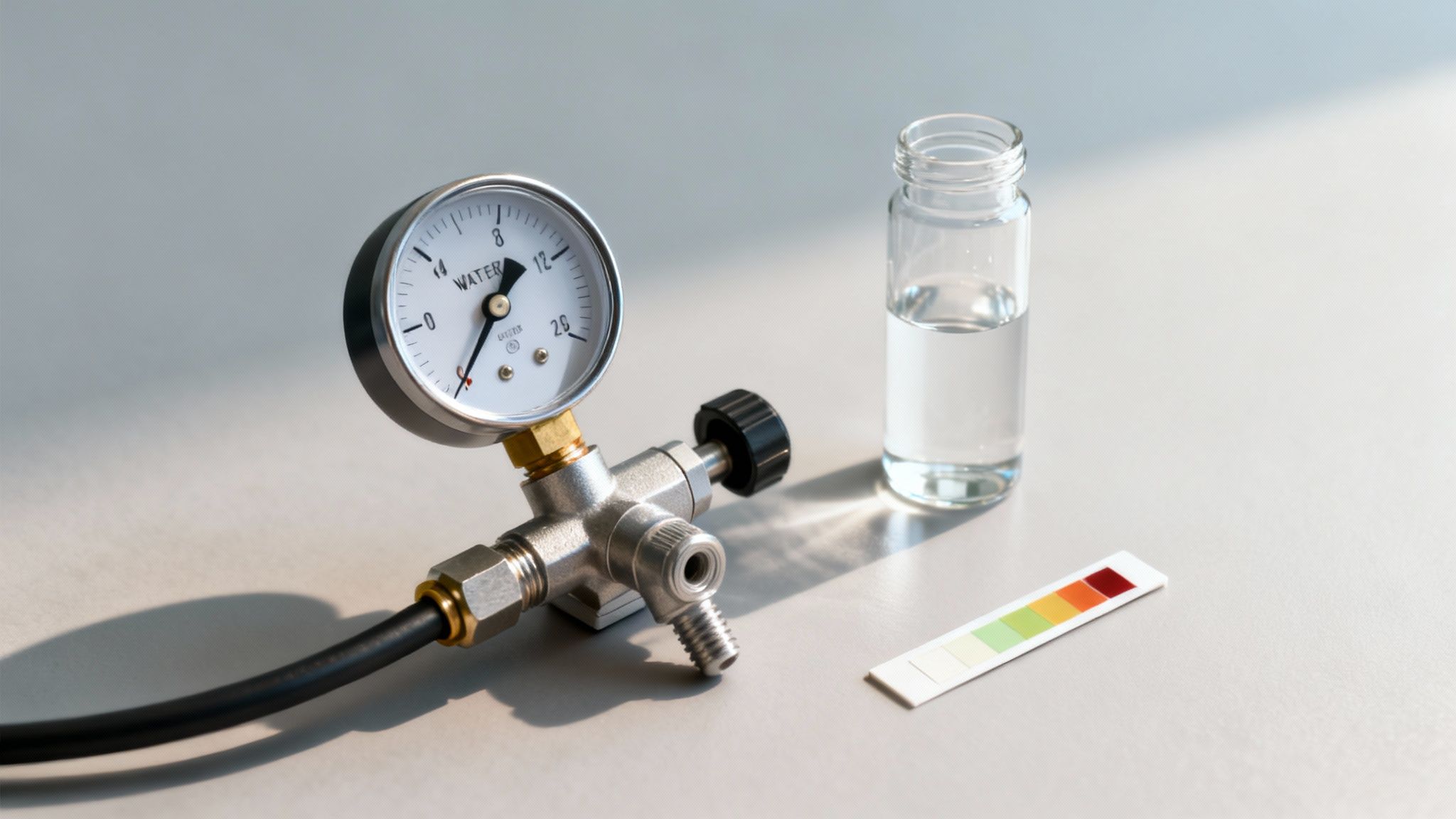
- Safety Hazards: An unqualified team failed to install a proper backflow prevention device. This put the neighborhood's drinking water at risk of contamination.
Key Insight: A licensed general engineering contractor has the training, equipment, and knowledge of local codes to manage the project from start to finish. Their credentials are your guarantee that the job will be done right.
Your Actionable Prevention Checklist for 2026
To make sure you hire the right professional for the job, use this checklist.
- Verify Their License: Check the contractor's license with the state licensing board. Make sure they have the right classification for underground utility work.
- Ask for Proof of Insurance: The contractor should have both general liability insurance and workers' compensation insurance. Ask to see the certificates.
- Check Their References: Ask for the names and numbers of recent clients, especially for similar projects in your area. Call them and ask about their experience.
- Look at Their Past Work: A reputable contractor will be happy to show you photos or locations of past projects.
- Ask About Their Team's Training: Find out if their crew is trained in safety procedures, like trench safety and equipment operation.
- Ensure They Understand Local Rules: A good contractor will know the specific requirements for your city, whether it's Salinas, Monterey, or Santa Cruz.
By hiring a contractor with the right credentials, you are investing in a safe, reliable water line that will serve you for many years.
5. Durability Isn’t Optional Anymore
With 20% of North America’s water lines already past their lifespan, longevity is the new standard—not the upgrade. Choosing a pipe that will last for decades is one of the most important decisions you'll make. Cutting corners on materials to save a little money upfront is a mistake that will cost you much more in the long run. Our water line installations are built with materials like ductile iron and C900 PVC, tested to code, and installed for performance that lasts decades—not just until the next rainy season.
The right material for your water line depends on your local environment. In coastal areas like Monterey, salt in the soil and air can corrode metal pipes quickly. In other areas, rocky soil might require a stronger pipe. A good contractor will help you choose the best material for your specific situation.
The Real-World Consequences of Using Cheap Materials
When contractors use low-quality materials, the new water line is set up to fail.
- Early Leaks: A developer in Santa Cruz used a cheaper, thinner type of PVC pipe to save money. The pipes started cracking and leaking within five years because they couldn't handle the soil conditions.
- Water Quality Problems: A homeowner chose a cheap metal pipe that wasn't properly lined. Over time, it started to rust from the inside, causing the water to be discolored and have a metallic taste.
- Complete System Failure: A commercial property installed a water line with materials that weren't rated for the system's water pressure. The line burst during a pressure surge, flooding the property and causing a costly shutdown.
Key Insight: The money you save today on cheap materials will be spent tomorrow on repairs and another replacement. Investing in high-quality, durable materials is the smartest financial decision you can make for your property.
Your Actionable Prevention Checklist for 2026
To ensure your new water line is built to last, follow these steps.
- Analyze Your Site: A professional contractor should check your soil and water conditions to recommend the best pipe material.
- Choose High-Quality Materials: Ask for materials like C900 PVC or ductile iron with protective coatings. These are proven to last for 50 years or more.
- Verify the Pressure Rating: Make sure the pipe is rated to handle the water pressure in your area.
- Use the Right Fittings: The joints and fittings that connect the pipes are just as important as the pipes themselves. Ensure they are high-quality and compatible.
- Get a Good Warranty: A reputable contractor will offer a warranty on both their work and the materials they use.
- Think Long-Term: Don't just think about the upfront cost. Think about the total cost over the life of the pipe. A durable pipe saves you money over time.
By making durability a priority, you ensure your new water line is a smart, long-term investment.
5 Water-Line Replacement Mistakes Compared (2026)
| Mistake | What It Means 📝 | Why It's a Problem ❌ | How to Avoid It ✅ |
|---|---|---|---|
| 1. Waiting Costs More | Putting off replacement until the line breaks. | Emergency repairs cost thousands more, cause water damage, and create a crisis. | Be proactive. Look for warning signs and plan for a replacement before it fails. |
| 2. Price Shock | Not understanding why a replacement costs so much ($20,000+). | Leads to hiring cheap, unqualified labor, which causes bigger problems later. | Get detailed quotes that explain all costs: labor, permits, equipment, and restoration. |
| 3. Illegal DIY | Trying to replace the line yourself to save money. | It's dangerous, often illegal, and can lead to fines and having to pay to redo the work. | Always hire a licensed and insured professional who will get the proper permits. |
| 4. No Credentials | Hiring a handyman or someone without the right experience. | They don't know the codes, which can lead to failed inspections and unsafe work. | Hire a licensed general engineering contractor. Check their license, insurance, and references. |
| 5. Cheap Materials | Choosing the cheapest pipe instead of the most durable one. | The pipe fails early, leading to leaks, poor water quality, and another replacement. | Invest in high-quality materials like C900 PVC or coated ductile iron that are right for your soil. |
Build Your Infrastructure to Last with Coastal Pipeline
Replacing a water line in 2026 is a big job. It’s more than just digging a trench and laying a pipe. As we’ve seen, there are many mistakes that can turn a needed upgrade into a nightmare. From checking the site before you start to flushing the system when you're done, every step matters.
Ignoring these steps doesn't just put the project at risk. It can affect public health, your budget, and the long-term value of your property. The five big mistakes—waiting too long, being shocked by the price, trying to DIY, hiring the wrong person, and using cheap materials—are all connected. A failure in one area often leads to problems in another.
From Reactive Repairs to Proactive Resilience
The most important lesson is to be proactive, not reactive. Waiting for a pipe to burst is the most expensive way to deal with the problem. By planning ahead, you can budget for the work, choose the right contractor, and use the best materials. This will give you a new water line that lasts for decades.
This proactive approach also helps you understand the cost. A professional quote may seem high, but it covers everything needed for a complex job:
- Heavy Machinery and Skilled Workers: This work requires trained professionals and expensive equipment.
- Permits and Inspections: Following city rules is required and keeps the work safe.
- Restoring Your Property: A good job includes fixing your driveway, lawn, and landscaping.
- Quality Materials: Using durable pipes like C900 PVC or ductile iron is an investment in the future.
Trying to skip these costs with a DIY approach is not only dangerous but often illegal. Water lines are part of our public infrastructure. This work has to be done by licensed professionals. This is where real credentials matter.
Key Takeaway: A water line replacement is an engineering project, not a simple repair. It requires knowledge of soil, materials, and local rules. Hiring a qualified general engineering contractor is the best way to avoid these common mistakes and ensure the job is done right.
By understanding and avoiding the 5 mistakes to avoid when replacing a water line in 2026, you are making a smart investment in your property's safety and reliability. This is how you build infrastructure that lasts.
If you’re in Monterey, Salinas, or anywhere along the Central Coast and wondering whether your water line needs attention, give us a call. The team at Coastal Pipeline Inc. specializes in underground utility solutions. We’ll walk you through your options, break down the real costs, and make sure your infrastructure is built to last. Start with a free consultation by visiting Coastal Pipeline Inc..