Beneath our homes and streets, a hidden network of pipes delivers clean water, carries away waste, and supplies gas. For a long time, we didn't have to think about this system. But now, much of it is old and wearing out. This has created a tipping point, leading to a major construction boom as we race to replace these failing lines.
The Hidden Crisis Beneath Our Feet
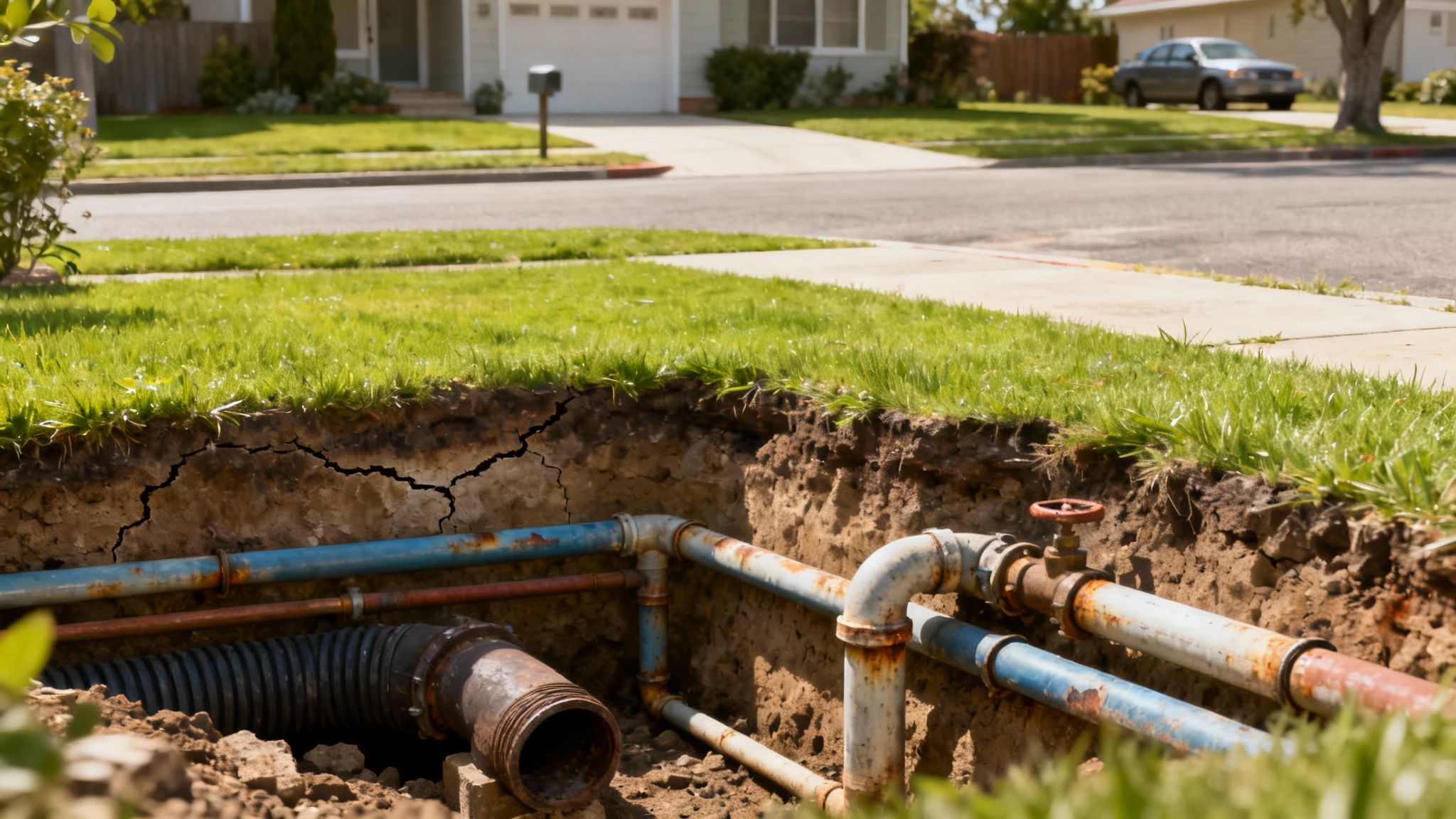
It’s easy to forget about the web of pipes working 24/7 just below ground. These pipes are vital to our neighborhoods, but many of them are simply getting too old. A large number of these sewer, water, and gas lines were put in over 50 years ago. Now, the materials they're made of are starting to fail.
This isn't a small problem—it's a major reason for the new wave of construction. Constant leaks, breaks, and backups are more than just annoying. They can be a risk to our health, safety, and the environment. This is why we are shifting from just patching up problems to replacing entire systems.
From Emergency Fixes to Proactive Upgrades
For years, people often waited for a pipe to break before calling for help. This "wait and see" approach leads to expensive emergency repairs, service shutdowns, and property damage.
Thankfully, property owners and cities on California’s Central Coast are realizing this isn't a good plan. The focus is now on planned, large-scale upgrades to prevent disasters before they happen.
This proactive approach makes sense for a few reasons:
- It Saves Money: It's much cheaper to schedule a replacement than to pay for an emergency crew to fix a major break in the middle of the night.
- It’s Safer: Old gas lines can be dangerous, and failing sewer lines can pollute soil and water.
- It Protects the Environment: Leaky pipes waste a lot of water and can harm local ecosystems.
Signs Your Underground Utilities May Be Failing
It's important to know the signs that your pipes are in trouble. Catching these clues early can save you from a big disaster. This table shows some common red flags.
| Symptom | Potential Problem with Sewer Lines | Potential Problem with Water Lines | Potential Problem with Gas Lines |
|---|---|---|---|
| Unpleasant Odors | A cracked sewer line is releasing gas. | Not applicable. | A leak in the gas line, often smelling like rotten eggs. |
| Lush, Green Patches in Yard | A leaking sewer line is "fertilizing" the grass. | A slow leak from the main water line is watering the grass. | Not applicable. |
| Slow Drains or Backups | Blockages from tree roots, collapses, or grease. | Not applicable. | Not applicable. |
| Sudden Spike in Water Bill | Not applicable. | An unseen leak in the main water line is causing water loss. | Not applicable. |
| Sinkholes or Wet Spots | A broken sewer pipe is washing away the soil. | A major water line break is washing away soil. | Not applicable. |
| Hissing or Roaring Sounds | Not applicable. | A high-pressure leak in the water line. | A significant gas line leak. Evacuate and call 911 immediately. |
| Foundation Cracks | Soil erosion from a major sewer leak. | Water soaking the ground around the foundation. | Not applicable. |
If you see any of these signs, especially the smell of gas or new sinkholes, call a professional right away. Don't wait for a small problem to turn into a big one.
This challenge isn't just in our area; it's happening all over the country. The American Society of Civil Engineers recently gave U.S. infrastructure a C- grade. This highlights how much work is needed to fix these essential systems.
Moving from reactive repairs to proactive upgrades isn't just a new idea—it's a must. Investing in modern utility systems today helps build safer and stronger communities for tomorrow.
Understanding what’s underground is the first step. To learn more about the systems buried beneath your property, you can check out this detailed explanation of underground utilities. This smart shift is changing how we build and maintain our communities for the better.
Why Decades of Delay Have Reached a Tipping Point
For a long time, the network of sewer, water, and gas lines under our feet was "out of sight, out of mind." This led to a common practice of putting off necessary repairs. But now, that time is up.
This delay has created a ticking time bomb under our streets. Across the U.S., and especially in Central Coast counties, many utility systems are over 50 years old. The pipes are simply too old to ignore anymore, increasing the risk of leaks, failures, and costly emergency repairs. With public pressure growing, property owners and cities must act now.
The End of an Era for Old Pipes
A large number of the utility systems in Monterey, Santa Cruz, and San Benito Counties were installed more than 50 years ago. At the time, materials like cast iron, clay, and galvanized steel were used. They were strong for their day, but they weren't meant to last forever.
Today, many of these systems are reaching the end of their lifespan, causing more and more failures.
- Corrosion and Decay: Old metal pipes are rusting from the inside out, leading to leaks and collapses.
- Cracking and Infiltration: Clay sewer lines get brittle over time. They crack, allowing tree roots to grow inside and clog the system.
- Material Fatigue: After decades of pressure, changing temperatures, and ground movement, the materials simply wear out.
This slow breakdown is why we see more water main breaks and sewer backups. What used to be a rare problem is now common.
Shifting from Reactive to Proactive
The old way of waiting for a pipe to break doesn't make financial sense anymore. An emergency repair almost always costs much more than a planned replacement. You end up paying for crew overtime, rushed materials, and the high cost of fixing torn-up streets and yards.
The high costs and safety risks of pipe failures are forcing a change. Proactive replacement is no longer a luxury—it's a key strategy for managing risk and keeping communities safe.
Public frustration is also a big reason for the change. People are tired of service shutdowns and unexpected road closures. They expect reliable utilities, and cities are responding with planned replacement programs.
This shift means getting ahead of the problem. It’s about finding the oldest, weakest parts of the utility grid and upgrading them before they fail. By planning ahead, cities and property owners can save money and reduce disruptions.
The Hidden Costs of Waiting Too Long
Putting off these important upgrades does more than just cause headaches. The financial and environmental damage can be huge. When you wait for a crisis, you're not just fixing a pipe; you're dealing with a whole set of problems that could have been avoided.
Knowing the risks is the first step toward smart management. If you suspect you have sewer or water pipeline issues, it's time to act. For everyone on the Central Coast, the message is clear: the time to deal with aging pipes is now.
How Public Investment Is Fueling a Construction Surge
The huge task of replacing our country’s old pipes is now a national priority. Massive federal and state infrastructure funding has opened the door for this work to get done. Billions of dollars are now being spent to fix the critical systems right under our feet.
This has led to record-high construction spending—$2 trillion in 2023. This is fueling strong demand for skilled underground utility contractors. In 2024, spending on sewer infrastructure is expected to grow by 11% and water infrastructure by 8%.
This infographic shows the connection between government funding and the need for skilled contractors.
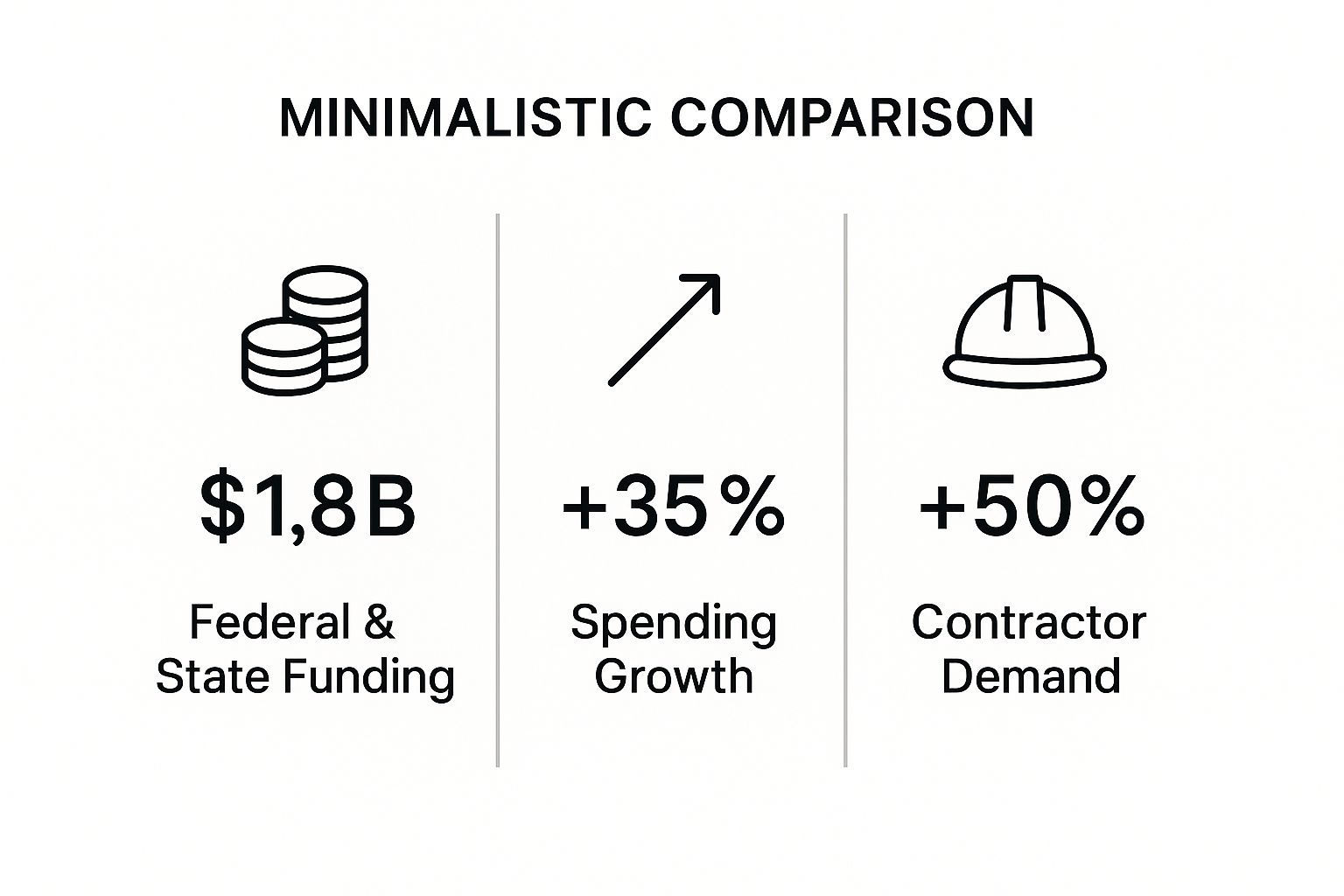
As you can see, more funding leads to more projects, which creates a high demand for professionals who can do the job right.
A Global and National Push for Modernization
This isn't just happening in the United States. Around the world, the need to replace aging pipes is driving construction. For example, Europe is planning to invest $13 trillion in infrastructure, with much of it going to fix old systems. It shows how big this problem really is.
Back home, this funding is turning into real projects that make our communities safer. Every dollar spent on a new water main or sewer line is an investment in reliability. It ensures clean water flows to our homes and wastewater is managed safely.
This increase in public spending is more than just good for the economy; it's a promise to rebuild America's core systems. It helps local economies while providing the safe, modern infrastructure people deserve.
The Soaring Demand for Specialized Contractors
With so much money going into these projects, the demand for underground utility contractors is higher than ever. This is a job that needs special skills, knowledge of strict codes, and experience with modern solutions.
Cities and property owners are looking for partners who can deliver quality work on time and on budget, particularly those who offer code-compliant, future-ready solutions. For a closer look at the big picture, you can read about the overall state of grant funding, including the U.S. infrastructure bill.
Contractors with a good reputation are in a great position. The industry needs experts who know how to:
- Install pipes that meet today's tough standards.
- Use materials and methods designed to last for decades.
- Manage complex projects, from getting permits to cleanup.
This construction boom is all about teamwork. As public funds make this work possible, experienced contractors are the ones on the ground, turning that investment into reliable infrastructure. Their role in these important utility systems construction projects is more critical than ever.
Smarter Solutions for Underground Challenges
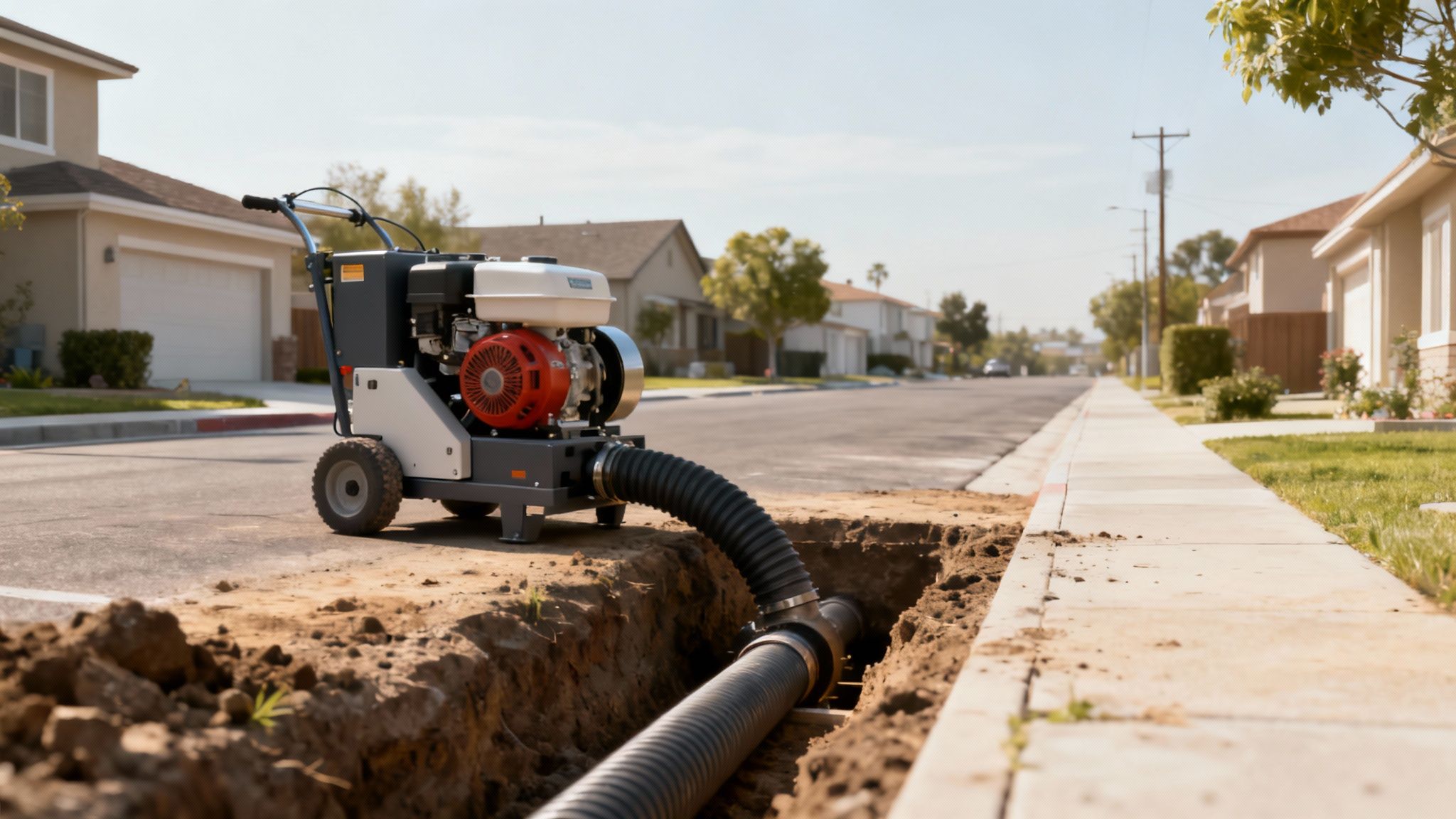
The idea of replacing underground pipes used to mean chaos: torn-up streets, noisy work, and months of disruption. But thanks to advancements like trenchless technology and smart planning, many utility upgrades can now be completed with less surface disruption and faster turnaround.
Today’s solutions make these vital upgrades quicker, more affordable, and less of a headache for everyone. The biggest change has been moving away from the old method of digging a long, open trench. That approach destroyed landscaping, sidewalks, and anything else in the way.
Modern methods are much more precise. Instead of tearing everything up, we can now fix the problem using just a few small access points.
The Rise of Trenchless Technology
Trenchless technology is a group of methods used to repair or replace pipes with very little digging. These techniques have become the new standard for utility work because they save time and preserve property.
Two of the most common trenchless methods are pipe bursting and hydrojetting.
- Pipe Bursting: This method replaces an old pipe with a new one. A machine pulls a new, seamless pipe through the old one. A special "bursting head" breaks the old pipe apart, pushing the pieces into the surrounding soil. This leaves a brand-new pipe in the exact same place, all without digging a long trench.
- Hydrojetting: This is a powerful cleaning method. A high-pressure water jet scours the inside of a pipe, blasting away blockages like tree roots and grease. It’s a great way to restore flow and prepare a pipe for inspection.
These modern methods reduce cost and disruption. Property owners benefit from minimized downtime, while municipalities see fewer public complaints and smoother inspections.
Using these technologies also means taking a smarter approach to maintenance. For cities and property owners, using effective maintenance strategies for pipelines is the best way to prevent major problems.
The table below shows how different the old and new methods are.
Traditional vs. Trenchless Utility Replacement
| Factor | Traditional Open-Trench Method | Modern Trenchless Method (e.g., Pipe Bursting) |
|---|---|---|
| Disruption | High. Requires digging up yards, driveways, and roads. Causes major traffic and noise. | Minimal. Only requires small entry and exit points. Preserves most surfaces and reduces inconvenience. |
| Timeline | Long. Digging, replacement, and restoration can take weeks or even months. | Fast. A typical home project can often be done in just 1-2 days, reducing downtime. |
| Cost | High. The costs for digging, backfill, and restoring surfaces (landscaping, asphalt, concrete) add up quickly. | Cost-effective. Lower labor and restoration costs often make it the cheaper choice overall. |
| Durability | Good. The replaced pipe is new, but the joints can create future weak points. | Excellent. The new pipe is usually seamless HDPE (high-density polyethylene), which resists corrosion, roots, and leaks. |
The benefits of going trenchless are clear. For anyone facing this issue, understanding the factors influencing trenchless sewer line repair cost can show why this modern approach is a smart investment.
Building Infrastructure Ready for Climate Change
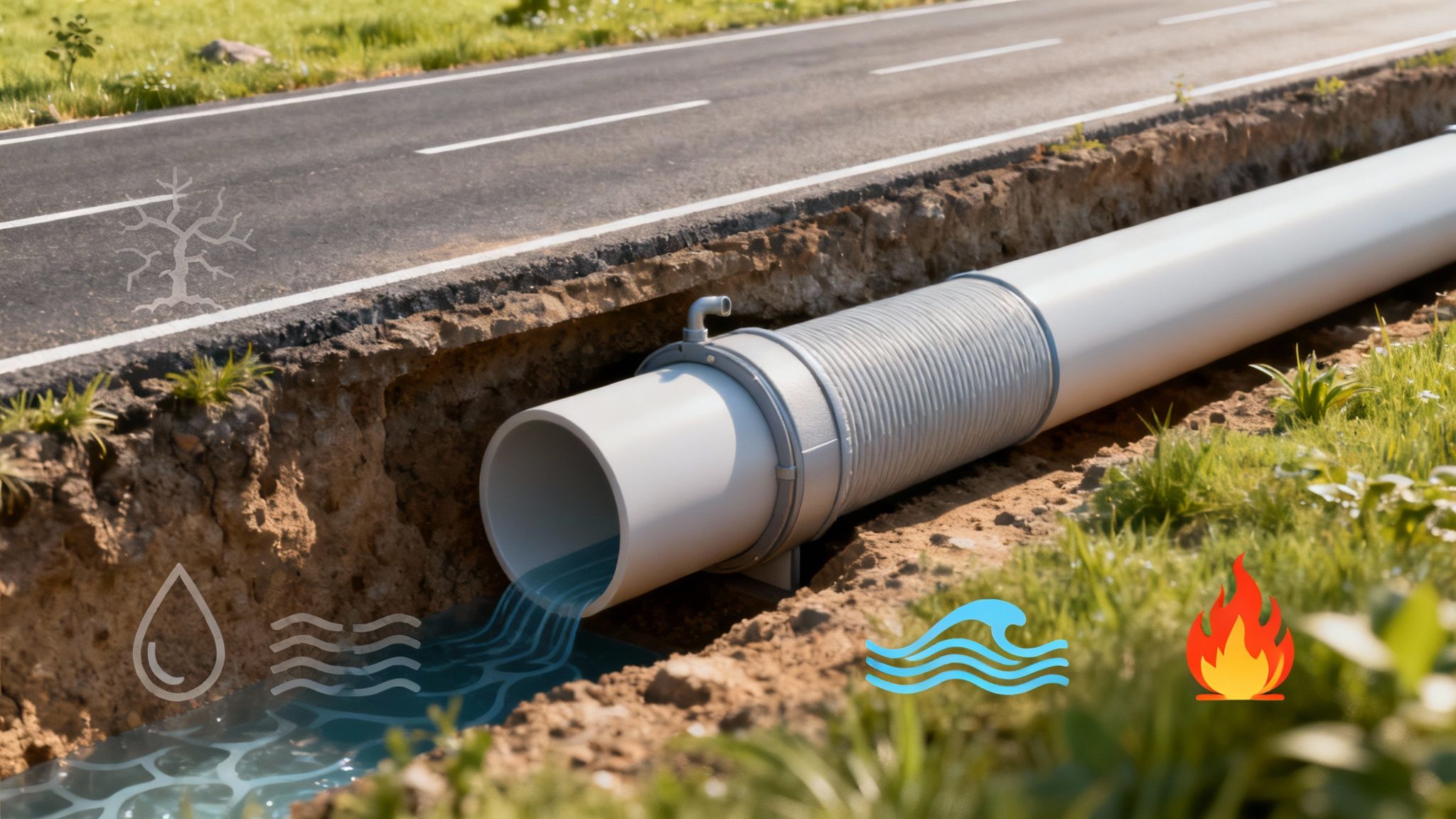
On California's Central Coast, replacing a pipe is about more than just fixing a leak. It’s about building for the future. As our climate changes, new infrastructure projects increasingly require systems that can withstand stressors like droughts, floods, and wildfires.
Today’s utility projects are designed to handle tough conditions. Every new sewer, water, and gas line must be built to be resilient. This means creating infrastructure that can handle whatever nature brings.
Adapting Utilities for a New Climate Reality
Climate change is already putting pressure on our underground systems. Severe droughts mean we can’t afford to lose water from leaky pipes. Heavy rains can overwhelm old storm drains, causing floods.
Because of this, modern utility upgrades now often include:
- Leak-Resistant Pipe Materials: Modern materials like high-density polyethylene (HDPE) create a single, seamless pipeline that is very resistant to leaks and tree roots.
- Stormwater Capture Components: Instead of just getting rid of rainwater, new systems are designed to capture it. This prevents flooding and helps refill our groundwater. Learning about modern storm water management systems shows how we can turn a problem into a resource.
- Backflow Protection: Floods can push contaminated water back into clean supply lines. New systems include backflow prevention devices to protect our drinking water.
Building with climate resilience in mind is a smart investment. Every project that uses these forward-thinking solutions helps a community withstand environmental challenges, ensuring essential services stay safe and reliable.
Meeting California’s Evolving Environmental Codes
This focus on climate-ready infrastructure isn't just a good idea—it's often the law. California’s environmental codes are always being updated to address climate challenges, and utility contractors must keep up.
A contractor's ability to follow these complex rules is as important as their skill with equipment. Partnering with a team that understands these requirements ensures a project is done right and built to meet future standards. It turns a simple pipe replacement into a long-term investment in the community.
Finding the Right Partner for Your Utility Project
A lot is at stake when you work on underground infrastructure. Choosing the right contractor is the most important decision you will make. The current construction boom means you have options, but not all contractors are the same. You need a specialist.
A qualified partner does more than just get the work done. They ensure it’s safe, meets all codes, and will last for decades. They bring you peace of mind.
Coastal Pipeline Inc. Brings Compliance, Speed, and Experience to the Table
As a PG&E OQ-certified contractor with NASSCO-trained crews, Coastal Pipeline is equipped to handle urgent replacements and long-range infrastructure projects. These certifications are the industry's gold standard, proving a contractor is serious about safety and quality.
- PG&E OQ (Operator Qualification) Certification: This is a must for any project involving natural gas lines. It means the crew is qualified to work safely on PG&E’s system.
- NASSCO Training: The National Association of Sewer Service Companies (NASSCO) sets the standards for pipeline assessment. A contractor with NASSCO-trained crews knows how to properly inspect and diagnose sewer line problems.
A contractor’s certifications show their professionalism and commitment to safety. They separate the true experts from the rest, ensuring your project is handled with the highest level of skill.
The Value of Experience and Emergency Readiness
Beyond certifications, local experience is key. A contractor who has worked on the Central Coast for years understands the unique challenges here, from soil conditions to local regulations in Monterey, Santa Cruz, and San Benito Counties. Their focus on utility tie-ins, trenchless replacement, and regulatory coordination makes them a trusted choice for public and private clients.
A contractor with emergency response capabilities is also essential. When a water main bursts or a sewer line collapses, you need a team that can get on-site quickly to control the situation. At Coastal Pipeline Inc., we have the verified expertise for both planned projects and urgent repairs.
Your Questions Answered: What to Know About Utility Upgrades
Facing a big utility project can bring up a lot of questions. Here are answers to some common concerns about upgrading aging sewer, water, and gas lines.
How Do I Know If My Property’s Utility Lines Are in Trouble?
If your property is over 40 years old and has its original pipes, they are likely near the end of their life.
Look for warning signs like slow drains, strange odors, wet spots in the yard, or a sudden jump in your water bill. The only way to know for sure is with a professional camera inspection. This lets a technician see exactly what’s going on inside your pipes before a disaster happens.
What Exactly Is Trenchless Replacement, and Is It Right for My Property?
Trenchless replacement allows us to install new pipes without digging a long, destructive trench. We use methods like pipe bursting, where we pull a new, seamless pipe through the old one.
This method is great for most properties. It’s faster, cleaner, and often cheaper than old-school digging, especially when you consider the cost of fixing your yard, driveway, or patio.
It fixes the problem underground with as little disruption to your life as possible.
What Happens If I Just Ignore My Old Pipes?
Putting off a replacement is a risky gamble. A sudden sewer backup can flood your home with hazardous waste. A burst water line can cause serious flooding, and a leaky gas line is an immediate safety threat.
It's almost always cheaper to deal with these problems proactively. When a pipe fails, you pay not only for the repair but also for water damage restoration and other fixes. Don't wait for a crisis to force you to act.
If your water, sewer, or gas lines haven’t been inspected in decades, now is the time to act. Coastal Pipeline Inc. serves Monterey, Santa Cruz, and San Benito Counties with utility assessments, upgrades, and emergency services.
Find out how we can help future-proof your infrastructure. Contact us to learn more about future-proofing your property's infrastructure.