Have you ever turned on a faucet or flipped a light switch? You probably didn't think about the network of pipes and cables under the ground that made it possible. This hidden network is built through utility systems construction. It’s the work that builds a community's lifelines.
Basically, we install the pipes and wires for a town before the first house is even built. Most of this important work happens underground, so you don't see it, but it's vital for our daily lives.
The Invisible Network Supporting Our Communities
Every time you use Wi-Fi, run the dishwasher, or turn on the heat, you're using the result of a special construction project. This type of work is all about installing the large, complex systems that power our world. It’s the key groundwork that must be done before roads are paved or homes are built.
There's a good reason these systems are buried. Putting them underground protects them from bad weather, traffic, and accidents. This means you get more reliable service. It also keeps our towns safer and cleaner by getting rid of messy poles and exposed pipes.
Why This Work Is So Essential
Simply put, a community can't work without good utility systems. Every home, business, school, and hospital depends on these connections to run. And as our towns grow, this work becomes even more important.
This need has created a huge industry. The utility system construction market is expected to reach about USD 807.33 billion in 2025 and grow to USD 942.2 billion by 2029. This growth shows how important it is to have skilled contractors who know how to manage these big projects.
At its heart, utility systems construction is all about connection. It connects homes to clean water, businesses to power, and whole regions to the internet. It's the groundwork that allows us to move forward.
What Does Utility Construction Involve?
The work itself is a careful mix of planning, digging, and installing. It requires very careful planning to avoid hitting pipes that are already there. We also need to make sure every new system will last for many years. Workers in this field handle several key types of systems, and each one has an important job.
To give you a better idea, here is a quick look at the most common utility systems we install.
Key Utility Systems and Their Functions
| Utility System | Main Job | Common Materials |
|---|---|---|
| Water Mains | Bring clean drinking water from treatment plants to homes and businesses. | Ductile Iron, PVC, HDPE |
| Sewer Lines | Safely carry wastewater away from properties to treatment plants. | PVC, Vitrified Clay Pipe (VCP), Concrete |
| Storm Drains | Control rainwater from streets to stop flooding. | Reinforced Concrete Pipe (RCP), HDPE |
| Conduits | Protect underground electrical, internet, and phone cables. | PVC, HDPE, Steel |
To install these systems right, you need to understand the local soil, follow strict safety rules, and pick the right materials. Companies that specialize in underground utility services are responsible for making sure every connection is safe, follows the rules, and is ready to serve the community for a long time.
The Core Stages of Utility Installation
Putting a utility system underground is a process with clear steps. Think of it like a performance with six important acts. Each stage must be done perfectly and in the right order for the project to succeed. This step-by-step method turns a complex job into a simple operation, making sure every pipe is installed safely and is built to last.
From the first plan to the final patch of grass, following these steps is the key to avoiding costly mistakes and delays. Let's walk through the six main stages that bring our underground systems to life.
Stage 1: Planning and Design
Before any digging starts, every project begins with a detailed plan. This is the most important part, where engineers and designers map out the whole utility network. They figure out the best paths for the pipes, choose the right materials, and decide the exact depth and spot for every part.
This plan is like the project's DNA. In this stage, we consider local rules, soil type, and—most importantly—where existing utility lines are to avoid hitting them. A solid plan is what makes a project run smoothly, stay on budget, and be safe.
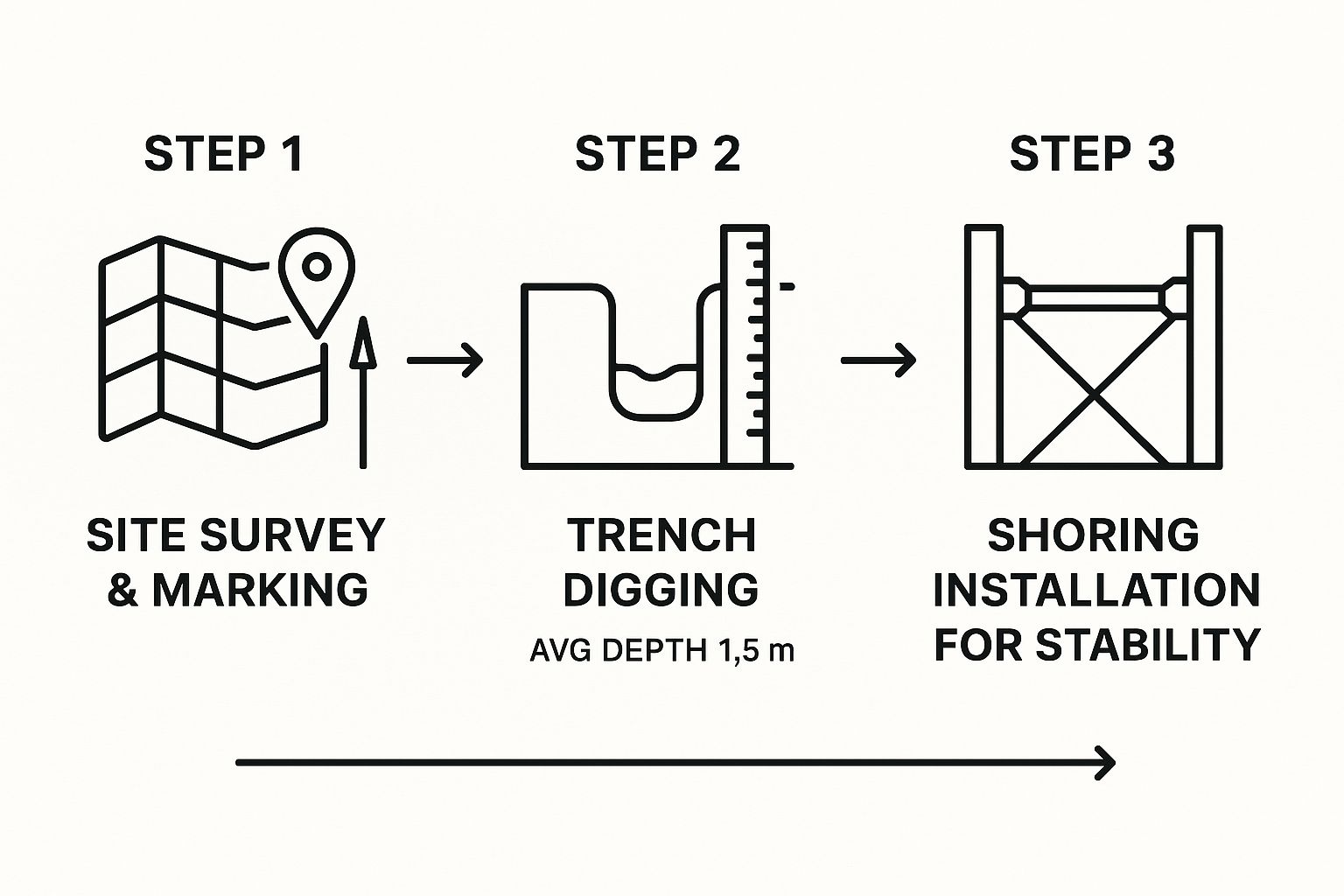
Stage 2: Excavation and Trenching
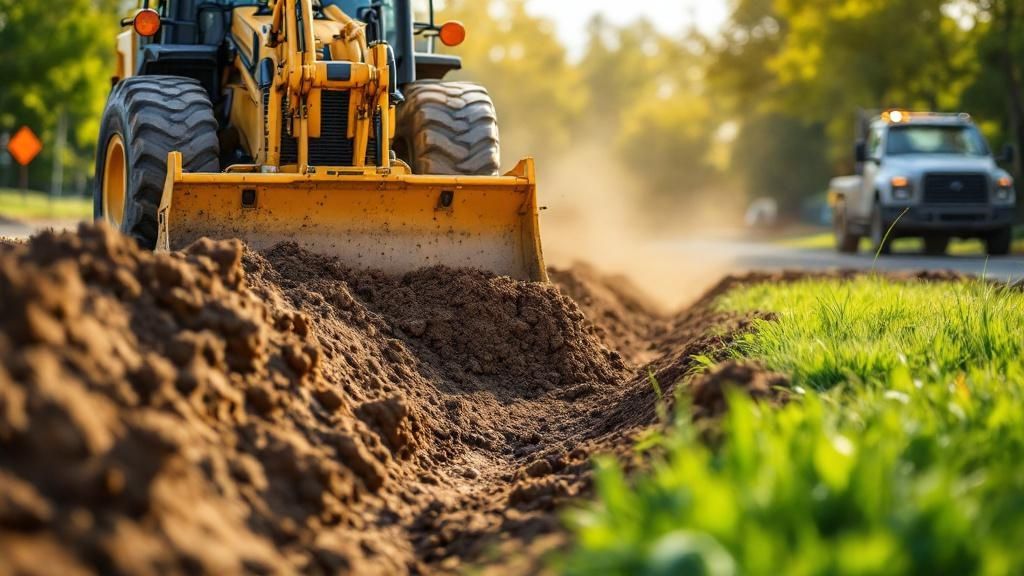
With a plan in place, the real work begins. Excavation is the process of digging the trenches where the new utility lines will go. This isn't just about digging a hole; it needs to be very precise to match the plan exactly.
Crews have to dig to the perfect depth and width, while also making sure the trench walls are stable and safe. Safety steps like trench shoring (support systems) are often used to stop the walls from collapsing, which is a big danger. The goal is to create a safe and accurate path for the new utility system.
Stage 3: Pipe Installation and Connection
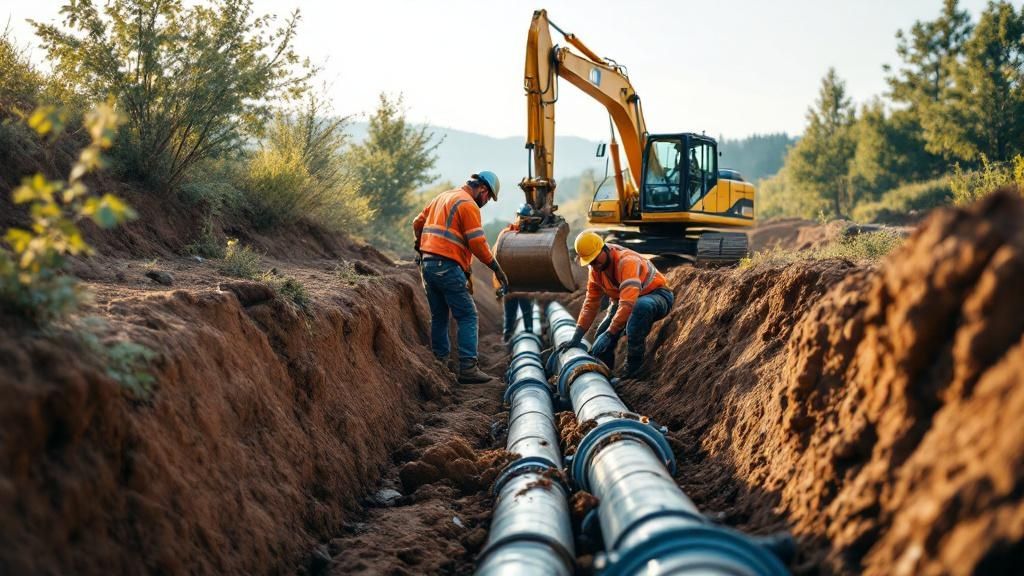
Once the trench is ready, it's time to lay the pipes or conduits. This stage is about carefully placing the parts of the utility system into position. Each section of pipe is lowered into the trench and carefully connected to the next one.
These connections have to be perfectly sealed. For water and sewer lines, this stops leaks. For electrical lines, it keeps water out. To learn more about this, read our guide on underground utility trenching for electrical lines. Getting this part right ensures the system will work well for many years.
Stage 4: Inspection and Testing
Before any dirt goes back in the trench, every new utility line is checked carefully. City inspectors and project engineers come to make sure the work matches the plans and follows all local rules.
This quality check is a must-do. It's the final check to ensure the system is sealed, connected right, and built to be safe and effective.
For example, water lines are filled with pressurized water to check for leaks. Sewer lines might be checked with small cameras to make sure every joint is perfect. The project can't continue until everything passes.
Stage 5: Backfilling the Trench
After the system passes inspection, we start filling the trench back in. This is more than just pushing dirt back into the hole. It involves carefully adding materials like sand or gravel around the pipe to protect it from damage.
This material, called bedding, acts like a protective cushion. The rest of the soil is then added back in layers and packed down. Proper backfilling is important—it protects the new utility line and keeps the ground above it from sinking over time.
Stage 6: Site Restoration
The final step is to make the site look like it did before we started, or even better. This means fixing any surfaces we had to disturb, like roads, sidewalks, or lawns.
Our goal is to leave no sign that big construction work happened. Crews will repave roads, pour new sidewalks, and lay down new grass or plant trees. A professional finish is the sign of a job done right, leaving the town with a new, working—and completely invisible—utility system.
Choosing the Right Materials and Methods
When it comes to underground utility work, not all pipes are the same. Picking the right material for a job is very important. If you get it wrong, you will have problems later. The choice always depends on a few key things: what the pipe is carrying, the type of soil around it, and the project's budget.
Think about it. A high-pressure water pipe needs to be very strong. On the other hand, a pipe for delicate fiber optic cables needs to be flexible but also tough. These materials are the foundation of a system that is meant to last for decades, so making the right choice from the start is key.
A Look at Common Pipe Materials
There are many types of pipes for different situations, and a good contractor knows the pros and cons of each. Let's look at the most common materials we use.
-
Ductile Iron Pipe (DIP): This is the strongest option. Known for its great strength, ductile iron is what we use for important water pipes that handle high pressure and heavy weight from above.
-
High-Density Polyethylene (HDPE): This is the flexible option. HDPE is a tough plastic that doesn't rust and can be melted together to create leak-proof joints. Its flexibility is a big help for getting around things underground or for modern installation methods that don't require digging a long trench.
-
Polyvinyl Chloride (PVC): PVC is a great all-around choice. It's light, not too expensive, and holds up well against chemicals. This makes it a popular choice for sewer lines, storm drains, and electrical conduits.
It’s all about balancing cost, how long it will last, and how well it works. For example, ductile iron might cost more at first, but because it lasts so long, it can be cheaper over a 50-year period. Choosing the right material is a key part of professional utility systems construction.
Comparing Common Utility Pipe Materials
Choosing the right pipe material is one of the biggest decisions in any utility project. Each option offers something different, and the best choice depends on what the project needs.
| Material | Main Benefit | Best For |
|---|---|---|
| Ductile Iron (DIP) | Very strong and long-lasting | High-pressure water pipes and pipes buried deep |
| HDPE | Flexible and has leak-proof joints | Installations without trenches, gas lines, and areas with rust |
| PVC | Versatile and low-cost | Sewer lines, storm drains, and electrical conduits |
In the end, understanding these materials helps us build systems that work well from day one and stay reliable for years to come.
Modern Methods for Minimal Disruption
Just as materials have gotten better, so have the ways we install them. The old method of digging a long, open trench is still used, but it's not always the best choice—especially in a busy city or a sensitive natural area. This is where modern methods are very useful.
Trenchless technology has changed our industry. It’s like the difference between major surgery and a small, simple procedure. Instead of tearing up a whole street, we can often install a new utility line using just two small holes.
Trenchless methods let crews install pipes under roads, rivers, and buildings with very little disturbance to the surface. This means less traffic, lower repair costs, and better protection for the environment.
Horizontal Directional Drilling and Pipe Bursting
Two of the most common trenchless methods we use are Horizontal Directional Drilling (HDD) and pipe bursting. Each one is a smart solution for a different kind of problem.
Horizontal Directional Drilling (HDD) is a precise method where we use a drill that we can steer to create a path underground for a new pipe. Our crews guide the drill along a planned route, which lets us install lines under big obstacles without digging a trench.
Pipe bursting, on the other hand, is great for replacing an old, broken pipeline. We pull a new pipe right through the old one. This breaks the old pipe apart and pushes the pieces into the soil around it. It’s a very efficient way to upgrade old systems without a lot of digging.
To learn more about replacement methods, check out our guide on how to install sewer lines and manage existing pipes. These new methods show how our industry keeps finding smarter, better ways to build the systems we all rely on.
Keeping Everyone Safe on the Job Site
In our type of work, nothing is more important than safety. While our goal is to install systems that communities need, our top priority is making sure every person on our crew gets home safely at the end of the day. This isn't just about following rules; it's a way of working where safety guides every choice we make, from the first survey to the final cleanup.
This focus on safety also protects the public. Think of our work zone like a hospital's operating room—every step is carefully planned to stop accidents before they happen. We have strict rules for using heavy machines, securing open trenches, and managing traffic around the site.
The Most Important Call We Make
Before we even start digging, every project begins with one step we never skip: calling 811. This national "Call Before You Dig" service tells local utility companies to come out and mark the exact spots of their underground lines—gas, electric, water, and phone.
Hitting one of these lines is a worst-case scenario. It can cause major service outages, serious injuries, or worse. Skipping this step is like driving with your eyes closed. It’s the first and most important safety check we do, always.
On-Site Measures That Prevent Accidents
Once we start digging, our focus turns to managing the work area. Open trenches are one of the biggest dangers on any digging site. To prevent a dangerous collapse, our crews install trench shoring, which is a support system that holds the trench walls up and keeps them stable while we work.
Besides trench safety, our crews are trained to follow strict rules for every task. This includes:
- Personal Protective Equipment (PPE): Everyone on site must wear hard hats, bright vests, and steel-toed boots. There are no exceptions.
- Clear Work Zones: We keep our sites organized and clean. Equipment, materials, and people stay in their assigned safe areas.
- Daily Safety Briefings: Each morning starts with a "toolbox talk." We go over the day's work, point out possible dangers, and make sure everyone is on the same page.
These rules, which often come from groups like the Occupational Safety and Health Administration (OSHA), create a safe place where we can manage risks. For a closer look at the practices our teams follow, see our essential construction site safety tips.
A safe job site doesn't happen by accident. It is the result of careful planning, always being aware, and a promise by every person on the crew to protect themselves and each other.
With America’s infrastructure getting older, the need for skilled and safe utility contractors is growing fast. The utilities construction industry in the United States is expected to be worth about USD 185.6 billion in 2025, thanks to big investments in water, sewer, and energy systems. You can find more data on this industry growth at IBISWorld.com. This growth makes a safety-first approach more important than ever to make sure every project is a success.
The Benefits of Turnkey Construction Services
Imagine trying to build a house by hiring a different person for every single job—one for the foundation, another for the walls, a third for plumbing, and a fourth for electricity. You’d spend all your time trying to get them to work together and agree on schedules. It would be a nightmare to coordinate.
This is the exact problem that can cause issues for large utility systems construction projects. To avoid this mess, clients are choosing turnkey construction services more and more. This method is like hiring one master builder who handles everything, from the first plans to the final check.
A turnkey provider is your single contact and takes full responsibility for the whole project. They manage it all: design, permits, digging, installation, inspection, and fixing the site. This all-in-one model makes the whole process simpler, gets rid of headaches, and helps things run much more smoothly from start to finish.
Streamlined Communication and Coordination
One of the biggest benefits of a turnkey approach is having just one team to talk to. Instead of calling an engineering firm, a digging crew, and a paving company, you have one project manager who knows every detail. This gets rid of the blame game that can happen when many different companies are involved.
When a problem comes up, there's no pointing fingers. The turnkey contractor owns the problem and has to fix it—fast. This clear communication stops expensive mistakes, makes decisions faster, and keeps the project on track.
With a turnkey service, the client gets a true partner. The contractor is fully focused on the project's success, managing all the parts to deliver a finished system that is ready to be "turned on" and used.
Because one team handles everything, every stage of the project flows smoothly. The designers talk directly to the installers, and the digging crew knows exactly what the clean-up team needs to finish the job right. This close teamwork makes the whole process more efficient and less likely to have errors.
Faster Project Completion and Cost Savings
When one company controls the whole project schedule, things simply get done faster. A turnkey provider can schedule every part of the work in a logical way, making sure crews and equipment are ready to go when they’re needed. There are no more delays from waiting for another contractor to finish their job.
This efficiency almost always leads to big cost savings. Since the contractor manages everything, they can use resources better, buy materials in large amounts, and avoid scheduling problems that ruin budgets. As a result, projects are much more likely to finish on time and within the original budget.
Good project management also means handling special jobs like controlling stormwater. For a closer look at this important part, you can learn more about complete storm water management systems and see how an all-in-one approach protects the environment and follows the rules.
By putting all services under one contract, clients get a more predictable and better price. A turnkey contractor sees the big picture and can find ways to save money that separate teams would miss, giving you better value for your money.
What's Next for Our Utility Infrastructure
The world of utility construction is always changing. It has to keep up with new needs and prepare for future challenges. As our towns grow and technology advances, the way we build and take care of our hidden pipes and cables has to change too. This constant effort to improve is what keeps our vital services working for years to come.
A big focus right now is the huge job of updating America's old pipes and cables. Many of the systems we use today were put in the ground a long time ago, and they are getting old. Replacing this old infrastructure is not just a good idea; it's necessary to prevent problems, improve service, and keep people safe.
This need for new and updated systems is causing growth around the world. Between 2022 and 2023, the total amount of building space in the world grew by about five billion square meters. The problem is that much of this new building is done without strong energy rules, which creates challenges for the future. You can learn more about these trends in this comprehensive 2024 report.
The Rise of Smart and Sustainable Grids
Looking ahead, it's not just about replacing old with new—it's about building smarter. The next big thing in utility systems construction is adding technology directly into our systems. Think of it like giving our infrastructure a brain.
This "smart" tech includes installing sensors that can find a water leak as soon as it happens or watch the electrical grid's performance in real-time. This means faster repairs, less waste, and a utility network that is much more efficient and strong.
Smart grids don't just fix problems faster—they see them coming. By collecting data, these systems help us use resources better and prepare for future needs before they become big problems.
At the same time, there is a big push for more eco-friendly construction methods. This isn't just a trend; it's becoming the normal way to do things. It includes things like:
- Using recycled materials for pipes and backfill when possible.
- Using trenchless methods to cause less harm to the environment.
- Designing systems to save water and reduce energy loss from the start.
Adapting to New Challenges
Of course, the industry is also getting better at dealing with modern problems like supply chain issues and a changing climate. Contractors are becoming more flexible, finding new ways to get materials while building systems that can stand up to more extreme weather.
This focus on building strong, reliable systems is what will shape the connected communities of the future. The work we're doing today is building the foundation for a safer, smarter, and better future.
Common Questions About Utility Construction
Even after you understand the basics, it's normal to have questions when you see utility construction happening in your area. Here are simple answers to the questions we hear most often.
How Long Does a Typical Project Take?
This is a hard question because every project is different. A simple sewer line replacement for one house might only take a few days. But installing a major water main for a new neighborhood could take several months from the start to the final check.
Things like the project’s size, the type of soil, bad weather, and even getting permits can affect the timeline. A good contractor will always give you a detailed schedule before they start so you know what to expect.
Will My Utility Services Be Interrupted?
Keeping your lights on and water running is always our top priority. For most projects, your services—like water, gas, and electricity—will keep working without any problems.
If we have to schedule a short shutdown to make a final connection, you will be told well in advance. These planned outages are kept as short as possible and are scheduled for times that will cause the least trouble for you.
Our goal is simple: get the work done with as little impact on your daily life as possible. This comes down to good planning and clear communication.
Who Is Responsible for Restoring My Property?
A professional contractor doesn't see a job as finished until your property looks just as it did before we started—or even better. This means any part of your property that was disturbed during the work, whether it's your lawn, driveway, or sidewalk, will be fully fixed.
Fixing up the site is a standard part of any utility systems construction contract. It's the final touch that makes sure the only thing we leave behind is a reliable new utility system, hidden safely underground.
Ready to start your project with a team that puts safety, transparency, and quality first? Coastal Pipeline Inc. delivers expert underground utility, excavation, and paving services built to last. Learn more about how we can support your infrastructure needs at https://coastalpipelineinc.com.