
If you're building a house, you’d never put up walls without a solid, level foundation. Paving and grading work the same way for any driveway, road, or parking lot. Think of it this way: grading is the important foundation work, and paving is the strong surface that goes on top.
The Foundation And The Finish: What Paving And Grading Really Mean
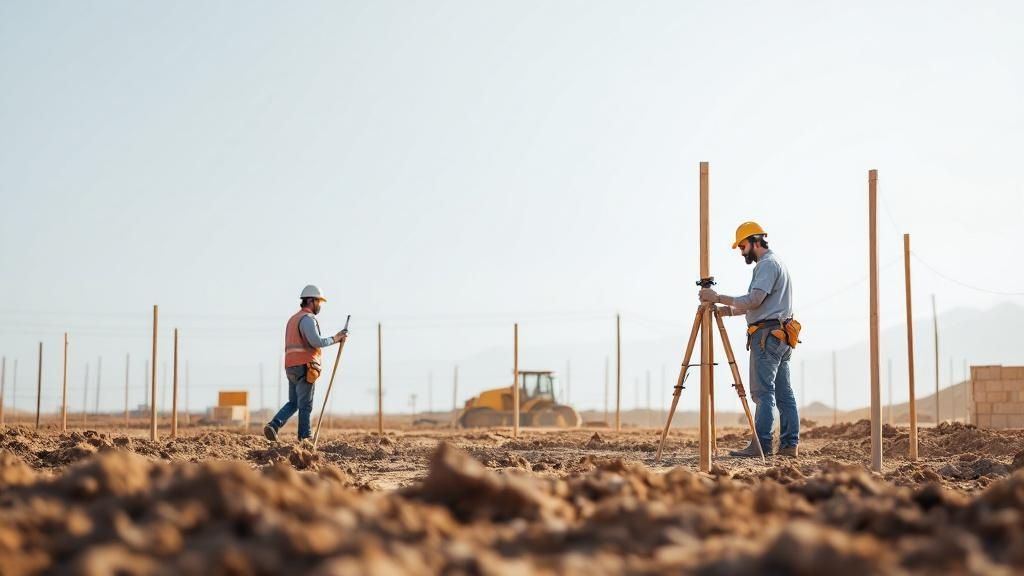
Paving and grading are two different steps, but they depend on each other to create a surface that lasts. You can't have one without the other. It's like baking a cake—grading is getting the ingredients right and preparing the pan, while paving is the final bake that brings it all together.
Grading is all about preparing the earth. It’s the process of moving, shaping, and packing down soil and rock to build a stable foundation with the perfect slope. Paving comes last. That’s when a material like asphalt or concrete is laid over the prepared base to create the smooth surface you drive on.
To make it even clearer, let's break down the key differences.
Grading vs Paving At a Glance
Here’s a quick comparison to see how these two important processes stack up.
| Aspect | Grading (The Foundation) | Paving (The Surface) |
|---|---|---|
| Purpose | To create a stable, level, and properly sloped base for the pavement. | To apply a durable, smooth, and weather-resistant top layer for traffic. |
| Process | Involves digging, moving soil, adding rock, shaping the land, and packing it down. | Involves laying and packing down hot mix asphalt or concrete over the graded base. |
| Key to Longevity? | Definitely. It prevents water damage, cracking, and failure from the ground up. | Yes, but how long it lasts depends completely on the quality of the grading underneath it. |
While they have different roles, both grading and paving must be done by experts for a project to succeed.
Understanding The Role Of Grading
Grading is the unsung hero of any paving project. It’s the careful, behind-the-scenes work that makes sure the final surface holds up for years. Without a proper grade, even the best asphalt is bound to fail.
The main goals of grading are simple:
- Creating a Stable Base: We start by packing the soil and adding a solid layer of crushed stone or gravel. This creates a firm platform that can handle the weight of the pavement and all the traffic that comes with it.
- Ensuring Proper Drainage: This is probably the most important part. The land is carefully shaped to create a slight slope that directs rainwater away from the surface and toward drains. This is what stops puddles from forming, which can seep into the base and cause cracks and potholes.
A well-graded base is the single most important factor in how long any paved surface lasts. It stops water damage from below, which is the number one cause of asphalt and concrete failure.
Proper road grading and leveling in Monterey near me is especially important in our coastal climate, where managing water runoff is key to protecting both the pavement and the local environment.
Paving: The Durable Top Layer
Once the foundation is perfectly graded and packed down, it’s time to pave. This is the part of the job everyone sees—the application of the final surface. For most driveways, roads, and parking lots, that means laying down asphalt.
The crew lays hot mix asphalt at a specific, even thickness across the prepared base. Then, heavy rollers move in to pack the asphalt until it's dense enough. This creates a surface that's strong, flexible, and ready to stand up to the weather.
When it's done right on a solid, well-graded foundation, a new paved surface gives you a smooth, safe area for traffic. It seals the base from the weather, sheds water easily, and has the strength to last for 15 to 20 years or even more.
The Grading Process From Start to Finish
Before any asphalt is laid down, a very important process has to happen first. It's called grading, and it’s more than just moving dirt around. Grading is the science of shaping the land itself, creating the perfect foundation for a stable, long-lasting paved surface that won’t fail later on.
Think about it like building a house. You wouldn't start putting up walls on soft, uneven ground. You'd pour a solid, level concrete foundation first. Grading is that foundation for your pavement—it’s what prevents future problems like cracks, puddles, and potholes by ensuring stability and proper water drainage from the start.
The whole thing follows a specific order, from the first survey to the final prep work, making sure every layer is perfectly prepared to support the finished asphalt.
This graphic lays out the key stages of a professional grading job.
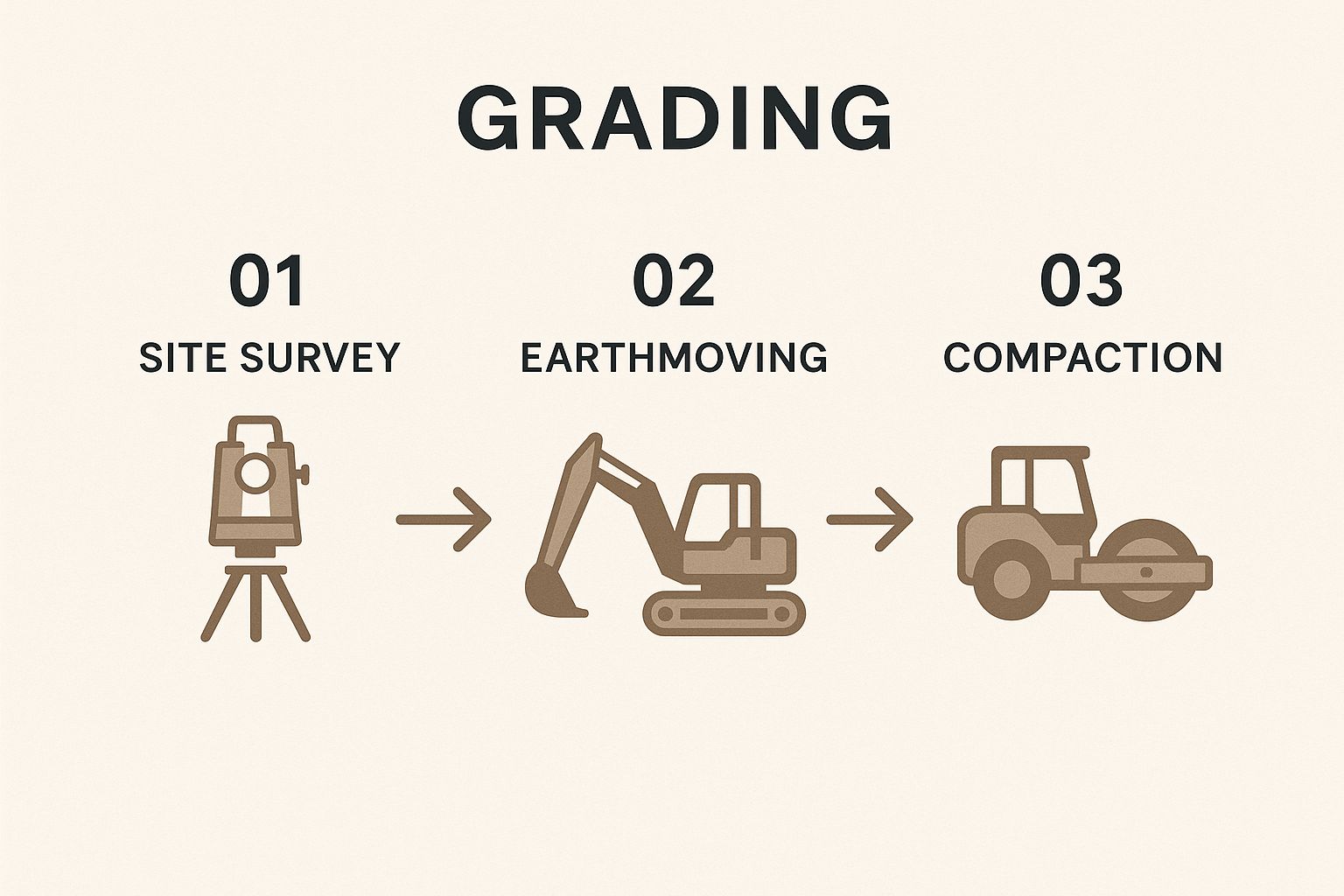
As you can see, grading isn't a single action but a series of steps. Each step—from surveying to earthmoving to compaction—builds on the one before it to create a strong base.
Step 1: Clearing and Surveying the Site
First things first, you need a clean slate. The process starts with site clearing, which means getting rid of anything that could get in the way. Crews will remove trees, brush, old concrete or asphalt, big rocks, and any other debris.
With the area cleared, it’s time for a detailed survey. Using precise equipment, our team maps out the land's existing high and low points. This information is the blueprint for creating the ideal slope—which is absolutely needed for drainage. For most asphalt surfaces, we aim for a slope between 2% and 4%. That’s the perfect range for shedding water without being noticeably steep.
Step 2: Cutting and Filling for the Right Shape
Once the plan is set, the real earthmoving begins. We call this step cut and fill. It’s exactly what it sounds like: heavy machines like bulldozers "cut" soil from the high spots and use it to "fill" in the low spots. This is how we begin to shape the land to match the plan.
The goal here is to set the basic shape and height for the project. This is where you see the skill of an experienced equipment operator. They have to follow the survey plan exactly to make sure the base is perfectly even. If you're looking for local experts to handle this, professional grading services in Monterey & Santa Cruz County bring the precision needed for this work.
A correctly shaped sub-base is the hidden framework that controls how water will flow on your finished pavement. Getting the slope right at this stage is a must for preventing water damage.
After the natural soil is shaped, we bring in an aggregate sub-base, which is usually a specific mix of crushed rock or gravel. This layer does two things: it adds a lot of strength and creates a path for any water that might seep through the pavement. This aggregate is spread evenly across the site, forming the last layer before the final, most important step.
Step 3: Compaction—The Secret to a Strong Base
The final and most important step is compaction. Think of it like pressing a giant sponge together to squeeze out all the air, making it dense and solid. Heavy rollers drive back and forth over the aggregate base, pressing the stones together to get rid of air pockets. This locks the entire base into a tight, incredibly stable layer.
Proper compaction is everything. It prevents the ground from shifting or settling after the asphalt is laid. In fact, a poorly compacted base is the number one cause of pavement failure, leading to everything from small cracks to a total collapse.
We measure compaction using a standard called Proctor density, and the goal is always to reach at least 95% compaction before any paving begins. This ensures the foundation is strong enough to handle the new asphalt and whatever traffic it will face for years. Once that mark is hit, the site is finally ready for paving.
How a New Surface Gets Paved

Once the ground has been expertly graded and packed down, the stage is set for the main event: paving. This is where a hot, strong material like asphalt is carefully laid down to create that smooth, tough surface we all appreciate. It’s a process that requires precision, teamwork, and a deep understanding of how the materials work.
The journey starts at an asphalt plant. Here, a specific recipe of aggregates (crushed stone, sand, and gravel) and a binder is heated to over 300°F. This hot mix is then loaded into special trucks and rushed over to the job site, making sure it stays at the perfect temperature.
This focus on quality materials and installation drives the entire industry. The global demand for paving asphalt grew from around $30.44 billion in 2021 to an estimated $35.79 billion by 2025. This shows just how important these projects are worldwide. You can discover more insights about the global paving asphalt market growth and see what’s behind the numbers.
Preparing the Base with a Tack Coat
Before the new asphalt even touches the ground, there's a key prep step. A special adhesive called a tack coat is sprayed evenly across the entire graded base.
Think of it as a super-strong primer or glue. This thin, sticky layer of liquid asphalt has one important job: to bond the new asphalt layer to the base below it. Without a solid tack coat, the new pavement could shift or slide under the stress of traffic, leading to cracks and a much shorter lifespan. It’s what makes two separate layers act like one solid structure.
Laying the Hot Mix Asphalt
With the tack coat in place, the paving machine gets to work. This impressive piece of equipment is designed to lay down the hot mix asphalt at a consistent thickness and width. As the paver moves forward, it spreads the material evenly across the surface.
The whole operation is a bit like a giant, heated iron smoothing out a wrinkled shirt. The machine’s heavy, heated plate, known as a screed, flattens and partly compacts the asphalt as it's laid. The crew works alongside it, guiding the machine to ensure perfectly straight lines and a professional finish.
The temperature of the asphalt during paving is extremely important. If the mix cools down too quickly, it becomes stiff and hard to compact properly. This results in a weaker surface that just won't last.
This is why paving and grading projects are almost always scheduled for the warmer months. The air temperature needs to be at least 50°F and rising for the asphalt to be laid and compacted correctly, which guarantees a strong final product.
The Final Step: Compaction with Heavy Rollers
As soon as the paver lays down the asphalt, the final and most important phase begins: compaction. A series of heavy rollers moves in while the asphalt is still hot and easy to work with.
This isn’t just about making the surface look smooth; it’s about making it dense. Compaction squeezes the air out of the asphalt mix, forcing the stone particles and binder to lock tightly together. This process is needed to create a pavement that is:
- Strong and Durable: A well-compacted surface can handle the weight of heavy traffic without getting ruts or bending.
- Water-Resistant: Squeezing out air pockets makes it much harder for water to seep in, which prevents damage from freezing and thawing.
- Long-Lasting: The right density is directly tied to the life of the pavement. A surface compacted to 92-96% of its maximum density will stand up to wear and tear for years to come.
The rolling itself follows specific patterns. Usually, a large steel-wheeled roller does the first pass, followed by other rollers to get the final density and create a perfectly smooth finish. Once the asphalt has cooled down completely, it's ready for traffic.
The Rules of the Road: What Every Paving Project Demands
A professional paving and grading job is about more than just laying down fresh, black asphalt. It’s a craft that focuses on building a surface that is safe, strong, and meets a long list of strict industry rules. These standards aren't just suggestions—they're guidelines that separate a high-quality job from one that will fail in a few short years.
When you understand what goes into a good project, you can spot quality work from a mile away. From managing water to making sure everyone has safe access, these rules are the foundation of every successful paving job.
Mastering Water with Proper Drainage
Water is the number one enemy of pavement. If you let it pool on the surface or get into the base layers, you’re asking for trouble. It will lead to cracks, potholes, and dangerous ice in the winter. That's why managing drainage isn't just a step in the process; it's the most important rule in paving and grading.
Pros have a couple of key tricks to keep water moving:
- Building a Slope: The entire paved surface is built with a very slight angle that you can barely see. This slope, usually between 2% and 4%, is just enough to guide rainwater away from buildings and toward storm drains.
- Creating a Crown: For big surfaces like roads or large parking lots, a "crown" is used. This just means the center of the pavement is a little higher than the edges. This creates a gentle arch that sends water off to both sides.
The Non-Negotiable Rule of Compaction
Compaction is the secret to long-lasting pavement. It’s the process of using heavy rollers to press the soil, gravel, and asphalt together. This squeezes out air pockets to create a dense, rock-solid foundation. This is a step that cannot be skipped for both the graded base and the final asphalt layers. Without proper compaction, the surface will start to settle, sink, and crack under the weight of traffic.
A poorly compacted base is the main cause of early pavement failure. A surface built on a weak foundation is guaranteed to break down, no matter how good the asphalt on top is.
We measure compaction as a percentage. The industry standard is to reach at least 95% compaction for the soil and gravel base. For the new asphalt layers, we aim for 92-96%. This ensures the entire structure is strong enough to last for decades.
Ensuring Access for Everyone with ADA Standards
Beyond the building basics, every paving project has to follow important rules for accessibility. The Americans with Disabilities Act (ADA) sets clear standards to make sure that everyone, no matter their physical ability, can safely use parking lots, sidewalks, and building entrances.
This isn't just about being considerate—it's federal law. Key ADA rules for paving projects include:
- Accessible Parking Stalls: Special parking spaces must be a certain width, be clearly marked, and be located on the most direct route to a building’s entrance.
- Curb Ramps: Ramps need to be built with a specific, gentle slope, allowing for safe and easy passage for wheelchairs.
- Safe Walkways: All walking paths must have a smooth, stable surface and be completely free of objects.
Following these standards is a key part of any commercial paving job. On-the-job safety is also a huge priority, and pros know that following best practices is critical for protecting workers and the public. You can learn more by checking out our guide on key construction site safety tips to see how professionals keep a work site safe.
What Factors Influence Your Project Cost
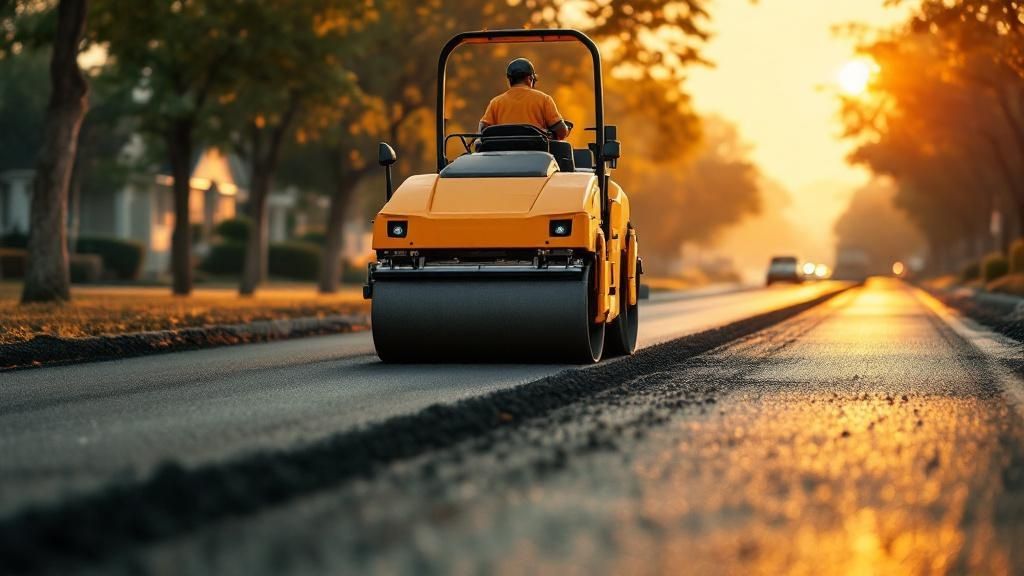
Figuring out the budget for a paving and grading job is a bit like planning a road trip. The final cost depends on how far you're going and the type of road you're on. Several key things come together to determine the final price on a contractor’s quote.
Knowing these factors helps you plan your budget, compare offers, and understand the value you're getting for your money. Let's break down the main things that will shape the cost of your project.
The Scope and Size of the Job
This one’s the most simple. A larger project area needs more materials, more work hours, and more time with heavy equipment. Paving a small private driveway will cost much less than a large commercial parking lot or a new street.
How complex the project is also plays a huge part. A simple, flat rectangle is easier and cheaper to pave than a layout with curves, islands, and multiple entrances. These trickier designs require more detailed grading and careful work from the paving crew, which adds to the cost.
Condition of the Existing Site
Where you start has a big impact on the final cost. A clear, level piece of land is the best-case scenario—it's the easiest to work with. But most projects have challenges that add to the workload.
Here are a few common site conditions that can raise costs:
- Significant Grading Needs: If the land is on a steep slope or has major high and low spots, a lot of earthmoving will be needed to create the proper grade.
- Poor Soil Quality: Soft, unstable, or clay-heavy soil is a big problem. It often needs to be removed and replaced with a stronger base, adding to material and labor costs.
- Obstacle Removal: Clearing trees, breaking up large rocks, or tearing up and hauling away old concrete or asphalt all add to the prep expense.
The amount of prep work needed is a major cost driver. A site that requires heavy clearing and grading will always be more expensive than one that is already close to being ready to pave.
Material Choices and Thickness
The type of paving material you choose is a huge part of the budget. While asphalt is a common choice, its price can change based on crude oil costs. On top of that, the thickness of the asphalt layers makes a real difference.
A standard home driveway might only need a couple of inches of asphalt. But a commercial lot built to handle heavy trucks will require a much thicker, stronger pavement. This means more material and a higher cost per square foot. For a detailed breakdown, you can learn more about what goes into asphalt driveway pricing in our guide.
The cost of the machines is also a factor. The market for concrete paving equipment is expected to grow to USD 2.5 billion by 2035. This growth shows how much demand there is for specialized, and often expensive, machinery in our industry.
How to Hire the Right Grading and Paving Contractor
Picking the right contractor is the most important part of your project. The quality of their work will determine how long your new driveway or parking lot lasts, so don't rush this decision. It’s about more than just comparing prices; it’s about finding a true professional who will stand behind their work.
When you find a good expert, your paving and grading project starts on a foundation of trust and skill. That means knowing the right questions to ask, what to look for, and which red flags should make you walk away.
Vetting Potential Contractors
Before you sign anything, it's time to do some homework. Any good contractor will be an open book and should have no problem giving you the information you need to feel good about your choice.
Start by making a simple checklist of must-haves. This will help you filter out the bad options and focus on the best ones.
-
Check for Proper Licensing and Insurance: This is a must. A valid contractor's license shows they meet state standards. More importantly, ask to see proof of their insurance. This protects you from being responsible for any accidents that happen on your property.
-
Ask for a Portfolio and References: Good contractors are proud of their work. Ask them to show you photos of recent projects that are similar to yours. And don't be shy—ask for a list of past clients you can call. Hearing from a previous customer is one of the best ways to judge their quality.
-
Verify Their Experience: How long have they been laying asphalt in your area? A company with deep local roots likely has a good reputation to protect and a better understanding of the local soil, climate, and rules.
Spotting Common Red Flags
Knowing what to look for is only half the battle; you also need to know what to avoid. Some contractors use shady tactics that lead to bad work, surprise costs, and major headaches. Keep an eye out for these warning signs.
A price that seems too good to be true almost always is. Everyone loves a deal, but a price that’s much lower than all the others is a huge red flag. It usually means they're cutting corners somewhere—maybe with cheap materials, a crew with no experience, or a poorly prepared base that will fail in a year or two.
A professional quote should be clear and detailed, breaking down the costs for labor, materials, and equipment. If you get a vague estimate or feel pressured to decide quickly, it's a clear sign to walk away.
Another red flag is a contractor who asks for a huge payment upfront or wants to be paid only in cash. A reasonable deposit is normal, but professional companies will have a clear payment schedule tied to how much work is done. For special work like installing utilities, it's very important to work with certified pros. You can hire the best PGE OQ-certified gas line trenching company to ensure everything is done safely and correctly.
Understanding the Contract
Once you've found your contractor, the contract is the final step. This is your ultimate protection—it’s a legal document, so read every word before you sign. A good contract lays out every detail of the project, leaving no room for confusion later.
Make sure your contract includes these key things:
- A Detailed Scope of Work: It should spell out exactly what work will be done, from site prep and grading to the specific materials and final asphalt thickness.
- Total Cost and Payment Schedule: The contract needs to state the full price and clearly say when payments are due.
- Project Timeline: It should give you a firm start date and a realistic estimate for when the project will be finished.
- Warranty Information: A true professional will always stand behind their work. Look for a written warranty that covers both materials and labor for a certain amount of time.
Answering Your Paving and Grading Questions
Even after you learn about the process, you probably still have a few questions about your paving and grading project. That makes sense—you want to feel good about your investment. Let’s answer some of the most common questions we hear from property owners.
How Long Will My New Asphalt Last?
A well-installed asphalt surface should last for 15 to 20 years. But that number can change. How long it really lasts depends on a few key things: the local climate, how much traffic it gets, and most importantly, how you take care of it.
Think of regular maintenance as the secret to getting the most out of your asphalt. It’s all about simple steps:
- Sealing Cracks: Fill any cracks as soon as you see them. This stops water from getting into the base layer, which is the number one cause of serious damage.
- Applying Sealcoat: A fresh sealcoat every two to three years acts like sunscreen for your asphalt. It protects it from the sun, rain, and car fluids that cause it to break down.
When Is the Best Time of Year for Paving?
When it comes to paving, timing is everything. The best time for laying fresh asphalt is during the warmer months, usually from late spring through early fall. Asphalt needs heat to stay workable, which allows the crew to spread and compact it properly for a strong, dense finish.
Paving in cold or rainy weather is a huge red flag. If the asphalt cools down too fast, it can't be compacted correctly. This leads to a weaker surface that’s almost guaranteed to fail early.
Can You Pave Over My Old Driveway?
Sometimes, yes. Paving over an existing surface—a process called an overlay—can be a smart, money-saving fix if your current pavement only has small, surface-level cracks.
But an overlay is just a band-aid for bigger problems. If your driveway is covered in deep, connected "alligator" cracks or the foundation itself is failing, paving over it won't fix what's wrong underneath. For a strong, long-term solution, the only real answer is to remove the old pavement and start fresh.
Ready to start your project with a team you can trust? The experts at Coastal Pipeline Inc. have the experience to handle every aspect of your paving and grading needs, from creating a solid foundation to laying a perfect finish. Contact us today for a professional consultation by visiting us at https://coastalpipelineinc.com.