Every great construction project starts from the ground up. Before a single wall goes up, the real work begins with the earth itself. Professional residential excavation services in Monterey County aren't just about moving dirt around—they're about laying the groundwork for a safe, stable home that will stand the test of time.
Building Your Foundation in Monterey County
Think of excavation as preparing a perfect canvas for your dream home. In a place like Monterey County, where the terrain can shift dramatically from the sandy bluffs of Carmel to the heavy clay soils of the Salinas Valley, getting the site preparation right is everything. It’s the first, most crucial step that determines the success of the entire build.
Proper excavation tackles potential issues before they become expensive nightmares. It’s about creating proper drainage to keep water away from your structure, sculpting a level and stable base for your foundation, and clearing precise paths for all your essential utilities. Whether you’re building a brand-new home, adding an extension, or even putting in a pool, understanding this process is key. We cover the nitty-gritty of getting your site ready in our guide on foundation excavation contractors in Monterey.
Aligning with Regional Growth
The need for skilled excavators is growing right alongside our communities here. Local planning and development initiatives are a huge driver of what gets built and where.
The ongoing Monterey 2031 General Plan Update is a perfect example. It's focused on guiding new housing and land use, which puts a spotlight on the need for qualified contractors who can keep up with modern safety and building standards.
This kind of forward-thinking planning means that getting professional excavation is more critical than ever. In fact, as of late 2023, the county submitted its draft housing plans to the state, showing a real commitment to responsible growth. You can dive into the county's strategy and get more details about the Monterey 2031 General Plan on their official site.
This guide will walk you through exactly what you need to know—from the types of services to the permitting process—so you can build with total confidence.
What Residential Excavation Services Really Involve
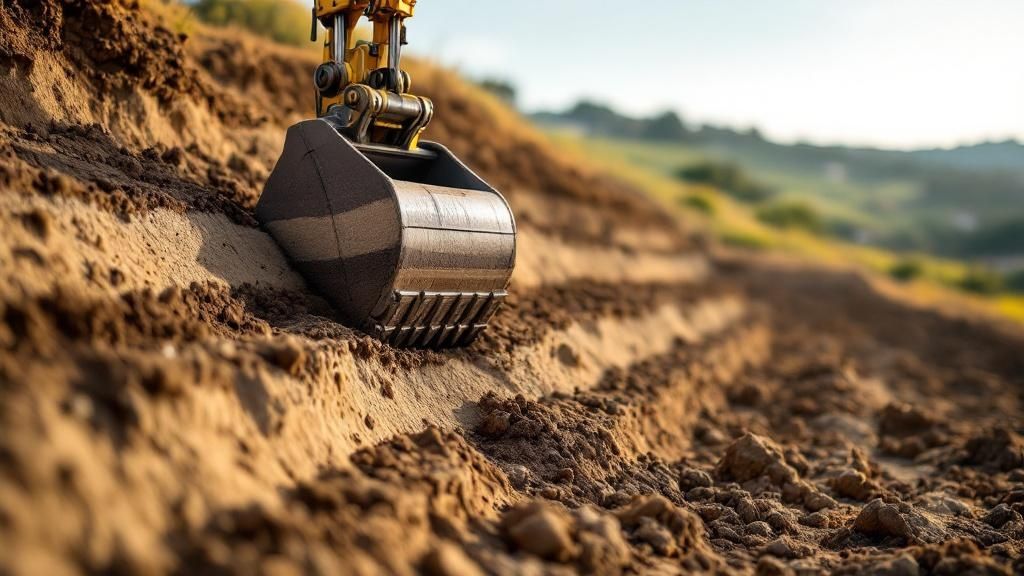
When you hear "excavation," it's easy to just picture a big machine digging a hole. But professional residential excavation services in Monterey County are so much more than that. It’s less about brute-force digging and more like sculpting the earth to create a safe, stable, and perfectly prepared canvas for your home project.
Every scoop of dirt has a purpose. These services are all designed to head off future problems and protect the long-term integrity of your property. Whether you're building a new home from the ground up in Carmel Valley or just adding a pool in Salinas, getting this foundational work right is absolutely non-negotiable.
Core Excavation Services Explained
A great excavation contractor brings a whole suite of services to the table, covering every angle of site preparation. Knowing what these are helps you pinpoint exactly what your project needs to get started on the right foot.
-
Land Clearing: This is always step one. We clear the site of trees, stubborn stumps, big rocks, and any other debris. It’s about creating a truly blank slate, making sure no old roots or organic material are left behind to decompose under your foundation, which could cause it to settle unevenly down the road.
-
Foundation Digging: This is the service most people think of. It involves digging out the precise trenches and basement areas for your home’s foundation. The depth and dimensions have to be dead-on, matching the architectural plans perfectly to provide a rock-solid base for the entire structure.
-
Site Grading: Think of this as strategic landscape sculpting. A contractor will carefully shape the land to manage water flow, making sure rain and runoff are channeled away from your home’s foundation. This single step is crucial for preventing water damage, basement floods, and soil erosion.
These first steps are about much more than just moving dirt; they’re about setting your property up to handle everything from our seasonal rains to the immense weight of the new construction.
Trenching for Essential Utilities
Beyond just the building pad, excavation is what connects your home to the modern world. This is where utility trenching comes in, creating the underground highways for every service your home depends on.
Utility trenching is the process of digging specific, narrow channels for installing pipes and conduits. It's the unseen circulatory system of your property, bringing in vital resources and carrying waste away, all safely hidden underground.
Each utility needs its own carefully planned trench. A professional crew ensures these are dug to the right depth and with the correct spacing to meet local building codes and avoid any conflicts between the different lines. These often include:
- Water Lines: For connecting your home to the city water supply or a private well.
- Sewer and Septic Lines: To create a clean, gravity-fed path for wastewater to flow away from your house.
- Electrical and Communications Conduits: Providing a protected, buried route for power, internet, and phone lines.
- Gas Lines: These require special expertise and depth to ensure safety and compliance with all regulations.
Proper trenching is a serious job that demands real experience. If you want to dive deeper into the specifics, check out this guide on utility trenching contractors in Monterey County.
Specialized Excavation for Other Projects
Residential excavation isn't just for new home builds. A lot of other common home improvement projects rely on professional earthwork to get off to a solid start.
For instance, putting in a new driveway means digging out the old surface, removing any weak soil underneath, and grading the area to create a stable sub-base. It’s this prep work that keeps the new asphalt or concrete from cracking or sinking over time. In the same way, prepping a site for an in-ground swimming pool requires a major dig-out with precise shaping, all while planning for plumbing and electrical runs.
Each of these residential excavation services in Monterey County plays a vital part in a project's success. By understanding what’s involved, you can have a much better conversation with your contractor and feel confident your project is being built on a solid, expertly prepared foundation.
The Excavation Project Roadmap from Start to Finish
Kicking off a residential excavation project can feel like a massive undertaking. But when you understand the process, that complexity turns into a clear, step-by-step journey. Think of it as a roadmap. Each stage builds on the last, ensuring a smooth ride from start to finish. This is the exact approach professional providers of residential excavation services in Monterey County use to make sure every detail is handled correctly, from the first phone call to the final site cleanup.
Knowing what’s coming next puts you in the driver’s seat as a homeowner. You’ll be able to ask the right questions, see the progress for yourself, and feel confident your project is in good hands. Let’s walk through the six main phases you can expect.
Phase 1: Initial Consultation and Quoting
The first step is all about getting on the same page. You’ll meet with a contractor to talk through the scope of your project, whether you're digging a new foundation, installing a septic system, or doing some major site grading. Bring your architectural plans, property surveys, and your overall vision to this meeting.
The contractor will look at how complex the job is, identify any potential challenges, and listen to your goals. From there, they’ll put together a detailed quote that clearly breaks down the services, estimated costs for labor and equipment, and a rough timeline. This is your chance to see how well they understand your project and how professionally they operate.
Phase 2: Site Surveys and Geotechnical Analysis
Before a single shovel hits the ground, we need to do some serious homework on your property. This is more than just a quick walkthrough; it's a deep dive to prevent expensive surprises later on.
A professional survey will mark your exact property lines, pinpoint where existing utilities are buried, and stake out the precise footprint of the excavation. This ensures the digging happens in the right spot without accidentally crossing into a neighbor's yard. After that, a geotechnical analysis, or soil report, is often performed.
Think of a geotechnical report as a health check-up for your land. It tells us the soil type—is it sandy loam or dense clay?—how stable it is, and where the water table sits. This information is absolutely critical for choosing the right excavation methods and ensuring your future foundation will be solid and secure.
Phase 3: Securing Permits
Navigating the permit process is a make-or-break step. It’s what ensures your project is legal, safe, and follows all local rules. Here in Monterey County, you’ll need specific permits for things like grading, erosion control, and any utility connections. A good contractor handles this entire process for you, submitting all the right plans and paperwork to the county's planning and building departments.
This phase is really for your protection. It's official confirmation that your project meets safety standards and won’t cause problems for your neighbors or the local environment. Trying to skip this step can lead to hefty fines and stop-work orders, so it's a non-negotiable part of the process.
Phase 4: Site Clearing and Preparation
Once the permits are approved, the real work begins. This stage is all about prepping the site for the main event—the excavation. It involves carefully removing anything standing in the way of the project area. For a deeper look at what this step includes, check out our guide to professional land clearing for construction in Monterey.
Here’s what typically happens in this phase:
- Vegetation Removal: Clearing out trees, shrubs, and large root systems.
- Debris Hauling: Getting rid of old concrete, rocks, or any other junk on the surface.
- Erosion Control: Installing silt fences or other measures to keep soil from washing away, which is a major requirement in Monterey County.
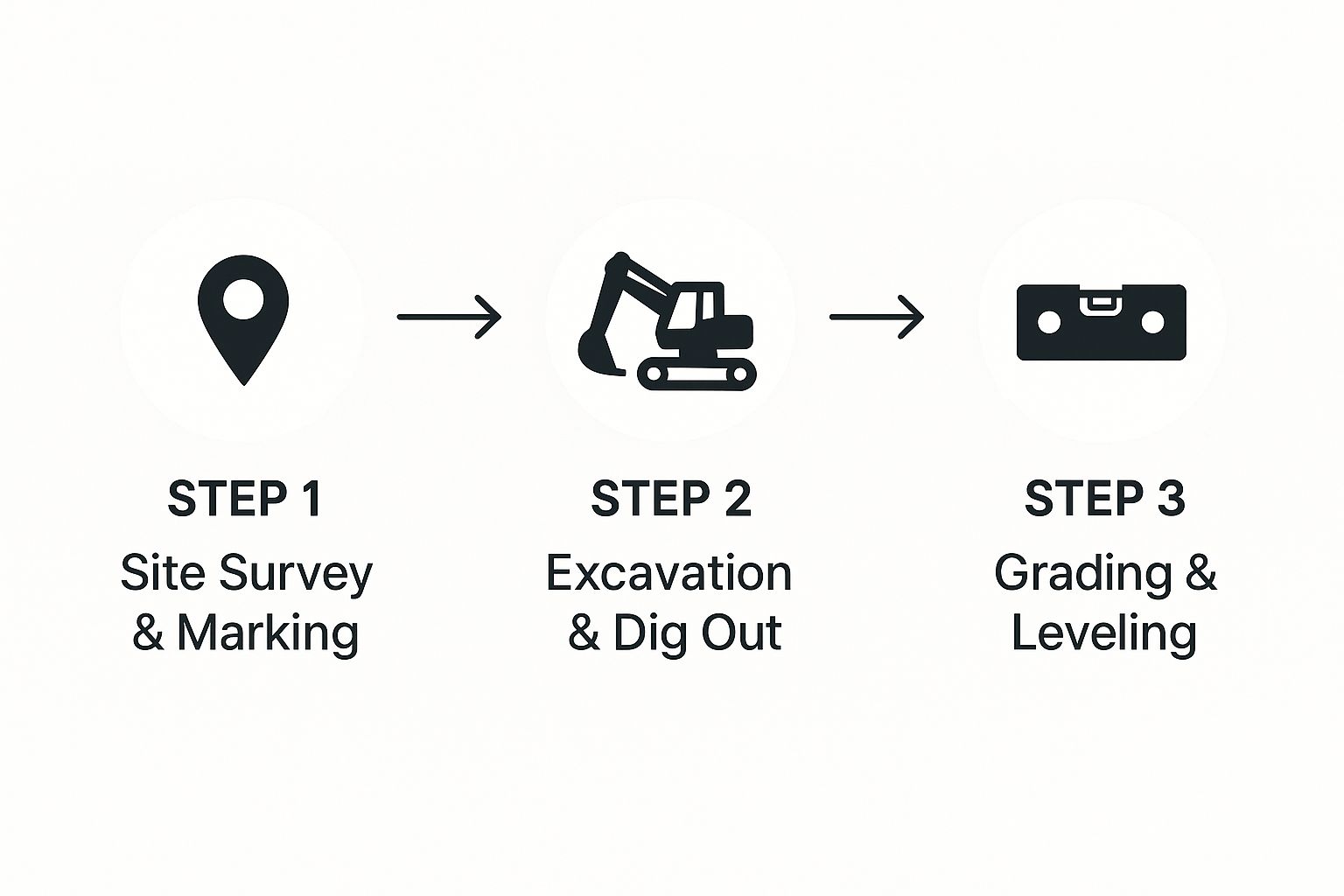
This visual gives you a great sense of the workflow, showing how each step leads logically to the next for a clean, organized site.
Phase 5: The Main Excavation
Now for the fun part. The heavy machinery rolls in, and your project really starts to take shape. Guided by the survey markers and architectural plans, our operators start digging. This work demands incredible precision, whether we’re carving out a basement, digging trenches for utility lines, or shaping the land for a new driveway.
Throughout the entire dig, the crew is constantly checking depths and grades to make sure every dimension is perfect. The soil we remove is either stockpiled on-site to be used as backfill later or hauled away, all depending on the project's needs and the quality of the soil itself.
Phase 6: Debris Removal and Final Grading
Just because the digging is done doesn't mean the job is over. The final phase is all about cleanup and putting on the finishing touches. Any leftover soil, rock, and other debris get loaded up and hauled off-site for proper disposal.
Finally, the contractor will perform the final grading. This means smoothing out the excavated area and the surrounding land to get the exact contours and slopes we need. It's a vital step for proper drainage, and it creates a clean, build-ready surface for whatever comes next in your construction project. Your site is now officially prepped and ready to go.
Navigating Monterey County Permits and Regulations
Let's be honest, dealing with permits and local regulations can feel like the biggest headache of any construction project. It's a maze of paperwork, codes, and rules that seems designed to slow everything down. But here’s a different way to think about it: permits are actually your project’s best friend.
They’re the official system that ensures every part of your build—especially the critical groundwork—is safe, legal, and built to last. For any homeowner looking into residential excavation services in Monterey County, understanding these rules isn't just helpful, it's absolutely essential for a smooth project. This is where a qualified excavation contractor becomes your expert guide.
Why Permits Are Non-Negotiable
Think of a permit as an insurance policy for your project, fully backed by the county. It's the official stamp of approval, verifying that professionals have reviewed your plans and confirmed they meet all the necessary safety and environmental standards. Trying to skip this step is a massive gamble, and one that can backfire badly.
Without the right permits, you could be looking at:
- Stop-Work Orders: The county can shut your project down on the spot, leaving your property a messy, half-finished construction site.
- Hefty Fines: The penalties for unpermitted work can easily climb into thousands of dollars.
- Demolition Orders: In a worst-case scenario, you might be forced to tear down everything that was built and start from scratch.
- Future Resale Issues: Unpermitted work is a huge red flag that can make selling your home down the road incredibly difficult.
Simply put, the permit process protects your investment, your family’s safety, and your property value. It's a vital checkpoint that makes sure everything is done right from the very beginning.
Key Permits for Excavation in Monterey County
While every project has its own unique needs, a few common permits are almost always required for residential excavation. The Monterey County Housing and Community Development department is the agency in charge, making sure all work aligns with local rules.
The whole point of these regulations is to ensure development is safe and resilient. Monterey County's housing code, specifically Chapter 18.15, sets firm minimum standards to protect life, health, and property. These rules directly impact how excavation work must be performed. You can dig into the details by reviewing the Monterey County Housing Code and its ordinances.
Here are the main permits your contractor will likely need to pull for your project:
-
Grading Permit: This is a must for nearly any project that involves moving a significant amount of soil. It ensures your grading plan properly manages drainage and won't cause erosion or instability for you or your neighbors.
-
Erosion Control Permit: With Monterey County’s varied terrain and sensitive watersheds, erosion control is a huge priority. This permit confirms that the right measures, like silt fences or sediment traps, are in place before any dirt starts moving.
-
Utility Connection Permits: If your project includes trenching for new water, sewer, or storm drain lines, each one needs its own permit. This is to make sure the new lines are installed correctly and safely tied into the public systems.
A good contractor will handle this entire process for you, from submitting the plans to coordinating with county inspectors. Their expertise in navigating these local requirements is a huge part of the value they bring. When you partner with a pro who knows the lay of the land, you can rest easy knowing your project is fully compliant from day one.
How to Choose the Right Excavation Contractor
Deciding who will handle the excavation for your project is easily one of the most important calls you'll make. A great contractor is more than just an equipment operator; they're a partner who lays the literal groundwork for the safety and stability of your future home. Getting this wrong can lead to huge delays, expensive structural fixes down the road, and even safety issues.
This isn't a decision you can afford to rush. The quality of your residential excavation services in Monterey County sets the stage for every single phase of construction that comes after. I like to tell clients to think of it like hiring a surgeon for your property—you want someone who knows the local anatomy (the soil), has impeccable credentials, and a track record of success.
Verifying Essential Credentials
Before you get into the details of your project, there are a few non-negotiables every legitimate contractor must have. Think of these as your first line of defense. A true professional will have this information ready and will be happy to share it.
First, check their license. In California, any excavation contractor worth their salt will hold a C-12 Earthwork and Paving contractor license from the Contractors State License Board (CSLB). This is your proof that they’ve met the state’s experience and testing standards.
Next, and this is crucial, verify their insurance. This protects you from liability. Ask to see proof of:
- General Liability Insurance: This covers property damage during the job. If an operator accidentally clips a neighbor's fence or an underground pipe, this insurance handles it, not you.
- Workers’ Compensation Insurance: This is just as vital. It covers their crew if anyone gets injured on your property. Without it, you could be on the hook for medical bills and lost wages.
Experience with Monterey County's Unique Terrain
Not all dirt is the same, and Monterey County is a perfect example of that. We've got everything from loose, sandy soils along the coast to heavy, expansive clay further inland around Salinas. Each type behaves differently, and a contractor with years of local experience will know exactly what to do.
An experienced local contractor knows how our specific soils react to moisture, compaction, and weight. It's the kind of practical, on-the-ground expertise that prevents foundation issues, ensures proper drainage, and helps select the right equipment. You can't learn that from a book.
When you're interviewing contractors, get specific with your questions about their local work:
- Can you share a portfolio of projects you've done here in Monterey County that are similar to mine?
- What's your experience with the soil in my specific area (e.g., coastal sand, valley clay)?
- How do you approach safety on hillside properties or sites with tricky access?
Their answers will quickly tell you if they have the hands-on knowledge your project needs. For a deeper dive into what makes a contractor stand out, check out our guide to finding the best excavation contractors in Monterey County.
Evaluating Their Professionalism and Equipment
Finally, pay attention to their professionalism. Do they return your calls promptly? Is their estimate clear, itemized, and in writing? Do they take the time to answer your questions without making you feel rushed? These are all hallmarks of a well-run business that values its clients.
Don't forget to size up their equipment. Well-maintained machinery isn't just for show; it's a sign that they invest in their business and care about safety and reliability. A contractor with a fleet of modern, properly sized equipment is far less likely to have a breakdown that throws your entire project schedule off track. Taking these steps helps ensure you hire a true partner, not just another subcontractor.
Excavation and Environmental Responsibility in Monterey
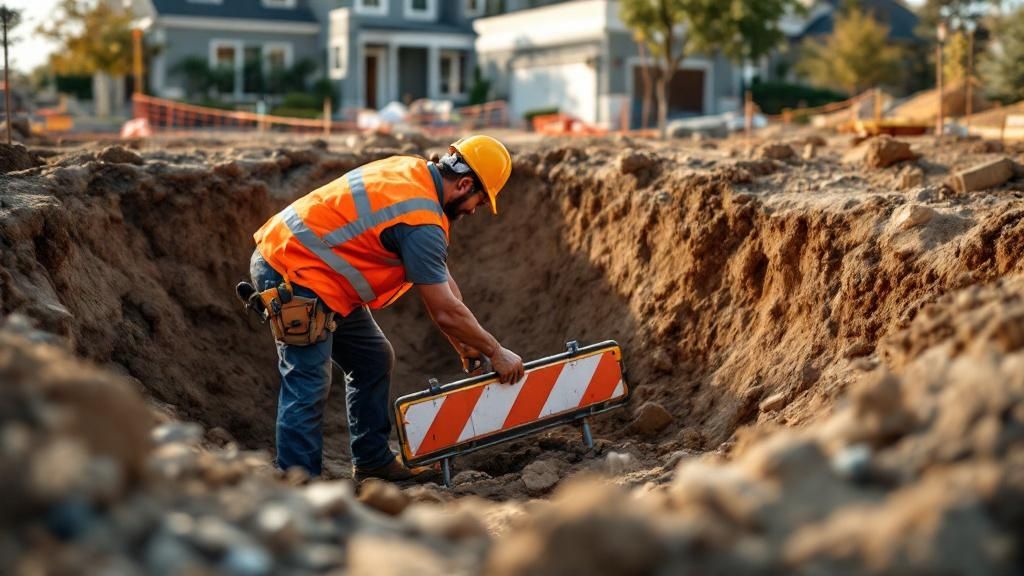
When you're breaking ground on a new project, moving earth is just the beginning. True professional excavation means being a careful steward of the land, especially here in Monterey County. The choices we make during site prep have a ripple effect on our unique and fragile ecosystems, from the iconic coastal bluffs all the way to our inland valleys.
Think of it this way: expert residential excavation services in Monterey county aren't just an expense; they're an investment in your property's long-term health and the environment we all share. When a contractor grades your land the right way, they aren't just leveling a spot for a foundation. They're actually creating a miniature watershed designed to steer rainwater safely away, preventing the kind of soil erosion that can choke local streams and harm Monterey Bay.
Protecting Our Water, One Project at a Time
Smart water management is really the heart and soul of environmentally friendly excavation. In a region where every drop counts, every single construction project plays a part. A poorly managed site can unleash a torrent of runoff, carrying sediment and other pollutants straight into our local waterways. This can damage everything from fish habitats to our drinking water quality.
This is where the professionals come in with proven techniques that make a real difference:
- Strategic Grading: We don't just flatten the land. We carefully shape it, creating gentle slopes that slow water down and guide it to proper drainage points.
- Erosion Control: Simple tools like silt fences and sediment traps are critical. They act like filters, catching loose soil before it has a chance to wash off-site and cause problems downstream.
- Working with Nature: We always look to identify and protect natural drainage paths and swales on a property. It's almost always better to work with the land's existing contours than against them.
These practices aren't just about ticking boxes on a permit application. They're about building a home that's resilient and in harmony with its surroundings. For a closer look at those critical first steps, check out our guide on land clearing for construction in Monterey.
By making sure every home site manages runoff correctly, we're all doing our part to protect Monterey's most precious natural resource. It's a community-wide effort, and it starts right in your own backyard.
This idea of community-wide impact becomes crystal clear when you look at local water agencies like the Monterey Peninsula Water Management District (MPWMD). Their work has a direct impact on construction, as they oversee the water resources for a huge part of the Peninsula. Excavation and water management are two sides of the same coin. A properly excavated site contributes to the sustainable water goals set by the district. You can see the important work they do by visiting the MPWMD website. It shows how expert excavation isn't just a construction task—it’s a key piece of building a sustainable community.
Answering Your Top Home Excavation Questions
Even with a solid plan, it's completely normal to have questions when you're about to dig up your property. Over the years, we've heard just about every concern a homeowner can have, and we've noticed a few questions come up time and time again.
Let's get straight to it. Here are the real-world questions we hear most often about residential excavation services in Monterey County.
What Drives the Cost of Excavation in Monterey County?
Excavation pricing isn't a simple, flat-rate service; it's a custom quote that depends entirely on your specific property. The biggest factor is, of course, the size and depth of the dig. A deep, full-basement excavation for a new home is a much bigger undertaking than a shallow trench for a new sewer line.
But beyond the sheer volume of dirt we're moving, the type of soil is a massive variable. It's one thing to dig through the soft, sandy loam common along the coast, but it's another challenge entirely to break up the dense, rocky clay we find in parts of Salinas or the Carmel Valley.
Other key factors that will shape your final quote include:
- Site Accessibility: How easy is it to get heavy equipment to the dig site? Tight access points on a small lot or a steep hillside can add complexity.
- Hauling & Disposal: The amount of soil and rock we need to truck away and how far we have to take it directly impacts the cost.
- Permit Fees: Every project needs the right permits from the county, and those fees are part of the overall budget.
How Long Does the Excavation Phase Usually Take?
The timeline can really vary. For a straightforward project, like digging out an old driveway for replacement, we might be in and out in just 1-2 days. But for a more complex job, like a full basement dig on a tricky hillside property, you could be looking at 1-2 weeks or even longer.
The biggest unknown is always the weather. A few days of heavy rain can saturate the ground, making it unsafe to work and bringing everything to a halt. This is why a good contractor will build a realistic timeline based on your specific site and always communicate clearly if delays pop up.
What Happens if You Find Unexpected Obstacles During the Dig?
This is a worry we hear a lot, but for an experienced crew, it's just part of the job. You’d be surprised what we find buried underground. The most common surprises are huge boulders that are too big for the excavator bucket or old, forgotten utility lines that aren't on any official plans.
When we hit an obstacle, work stops immediately in that area. Our protocol is simple: identify the problem, figure out the safest and most efficient way to handle it, and then communicate the plan—and any cost or time implications—directly to you.
For a massive rock, we might need to bring in a hydraulic hammer attachment. If it's an unknown pipe, we immediately get the right utility company on the phone before another shovel of dirt is moved.
Do I Need to Be On-Site During the Excavation Work?
For the most part, no. You don't need to stand around and watch us move dirt all day. Any professional contractor will set up a clear communication plan, giving you regular updates on how things are going, when we hit major milestones, and of course, if any issues arise.
That said, it’s always a good idea to be available for a couple of key moments. We'll want you there for the initial site walk-through to confirm the plan, and it's great to have you do a final check-in before we pack up. This ensures we're all on the same page and that you're happy with the final result.
Ready to break ground on a solid foundation? The experts at Coastal Pipeline Inc. have the local knowledge and professional equipment to handle any excavation project in Monterey County, ensuring your project starts right. Get a clear plan and a professional partner by visiting https://coastalpipelineinc.com today.