
When you put in a new driveway, you're doing more than just laying down asphalt. You're making a real investment in your home. The goal is to find driveway paving services built to last in Monterey County, creating a surface that looks great and handles everything from cars to heavy rain for years to come. A driveway that truly lasts is built right from the start, beginning with the ground it sits on.
What Makes a Monterey County Driveway Truly Last
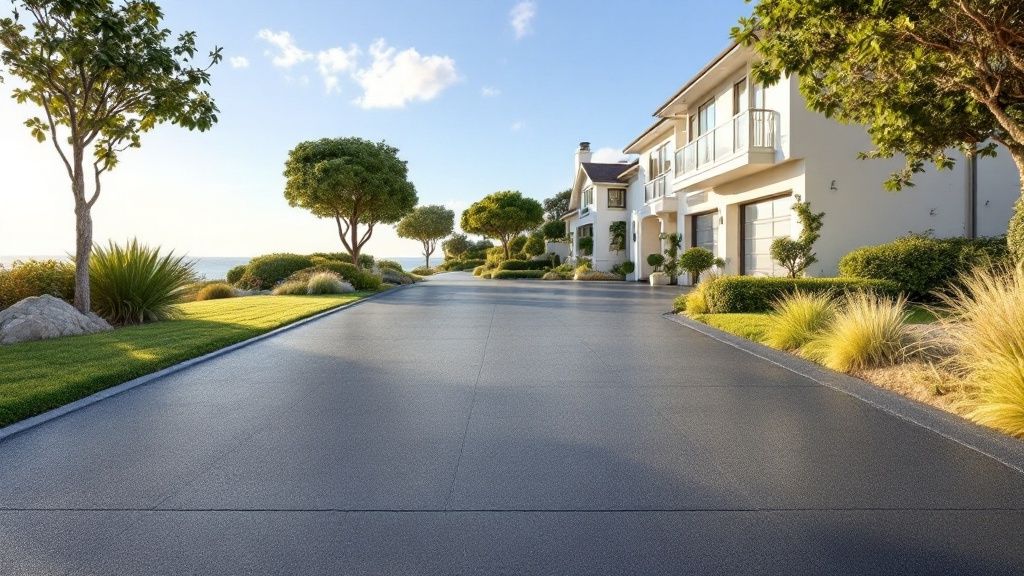
A tough, long-wearing driveway is more than the smooth surface you see. Think of it like a house. If the foundation is weak, the whole building will have problems, no matter how nice it looks. The same is true for your driveway. Its real strength is deep underground.
This is where good paving contractors stand out. They don't just pour and pave. They create an engineered driveway designed for your property. They look at the soil, the slope, and how water flows. Then, they build a solution that stands up to those unique challenges. It’s a mix of science and skill.
The Core Components of Durability
So, what’s the secret? It’s a layered approach where every part has a job. When these are done right, you'll avoid common problems like cracking, sinking, and puddles.
A quality installation always comes down to these key factors:
- Proper Subgrade Prep: This is the absolute foundation of your driveway. The soil underneath must be graded and packed down until it's a solid, stable platform. This makes sure it can hold the weight of cars day after day without moving or settling.
- Effective Stormwater Management: Water is the biggest enemy of pavement. A well-built driveway has carefully planned slopes and drainage systems that guide rain away from the surface. This stops water from pooling or soaking underneath, which quickly leads to damage. You can learn more about why it's so critical to prevent soil erosion on developed properties in our detailed guide.
- Commercial-Grade Materials: Not all paving materials are the same. Using commercial-grade mixes means you get a product designed for heavy use and a long life. These materials have stronger binders and tougher stone that can handle Monterey County’s weather without falling apart.
The following table gives a quick look at the parts that make your driveway strong and long-lasting.
Key Factors for a Driveway Built to Last
| Component | Why It's Critical for Longevity |
|---|---|
| Subgrade Compaction | Creates a stable base that prevents sinking and cracking under weight. |
| Proper Drainage | Guides water away from the driveway, preventing erosion and foundation damage. |
| Quality Materials | Ensures the surface can withstand heavy traffic, weather, and daily use. |
By getting these basic things right, a great paving contractor turns a simple driveway project into a real, long-term asset for your property.
By focusing on these foundational elements, a paving contractor transforms a simple driveway installation into a long-term asset for your home, whether it’s for a family estate, a new subdivision, or a rural access road.
Building a Rock-Solid Foundation for Your Driveway
A beautiful driveway is only as good as the ground it's built on. The real secret to a surface that lasts for decades isn't just the asphalt you see on top; it's the carefully engineered system underneath. This is where professional driveway paving services built to last in Monterey County truly make their mark.
Think of it like building a house—you wouldn't put up walls without a solid foundation, right? The same exact principle applies to your driveway. It all starts with expert subgrade preparation, which is just a technical way of saying we get the native soil ready. This involves grading and compacting the earth until it becomes a firm, unmoving platform, fully prepared to handle thousands of pounds of pressure without sinking or shifting. A robust base is non-negotiable for any durable structure, and you can see these same core principles in these essential foundation requirements for larger buildings.
Managing Monterey County's Rainwater
Once the ground is solid, the next big challenge is water. Uncontrolled rainwater is the absolute number one cause of pavement failure. When water seeps underneath the asphalt, it erodes that solid subgrade you worked so hard on, weakening the entire structure from the bottom up.
This is why effective stormwater management isn't just an afterthought; it’s a critical part of the initial design. We engineer subtle, precise slopes into the driveway to guide water away from the pavement and your home's foundation. In some cases, this might also mean installing drainage systems like culverts or catch basins to deal with heavy runoff.
This strategic approach is the same one used for major public works. In early 2022, for instance, Monterey County invested in rehabilitating thousands of feet of local roads. A huge part of that project was enhancing storm drainage to extend pavement life and slash future maintenance costs.
The infographic below gives you a good look at the streamlined workflow professionals follow to get the job done right.
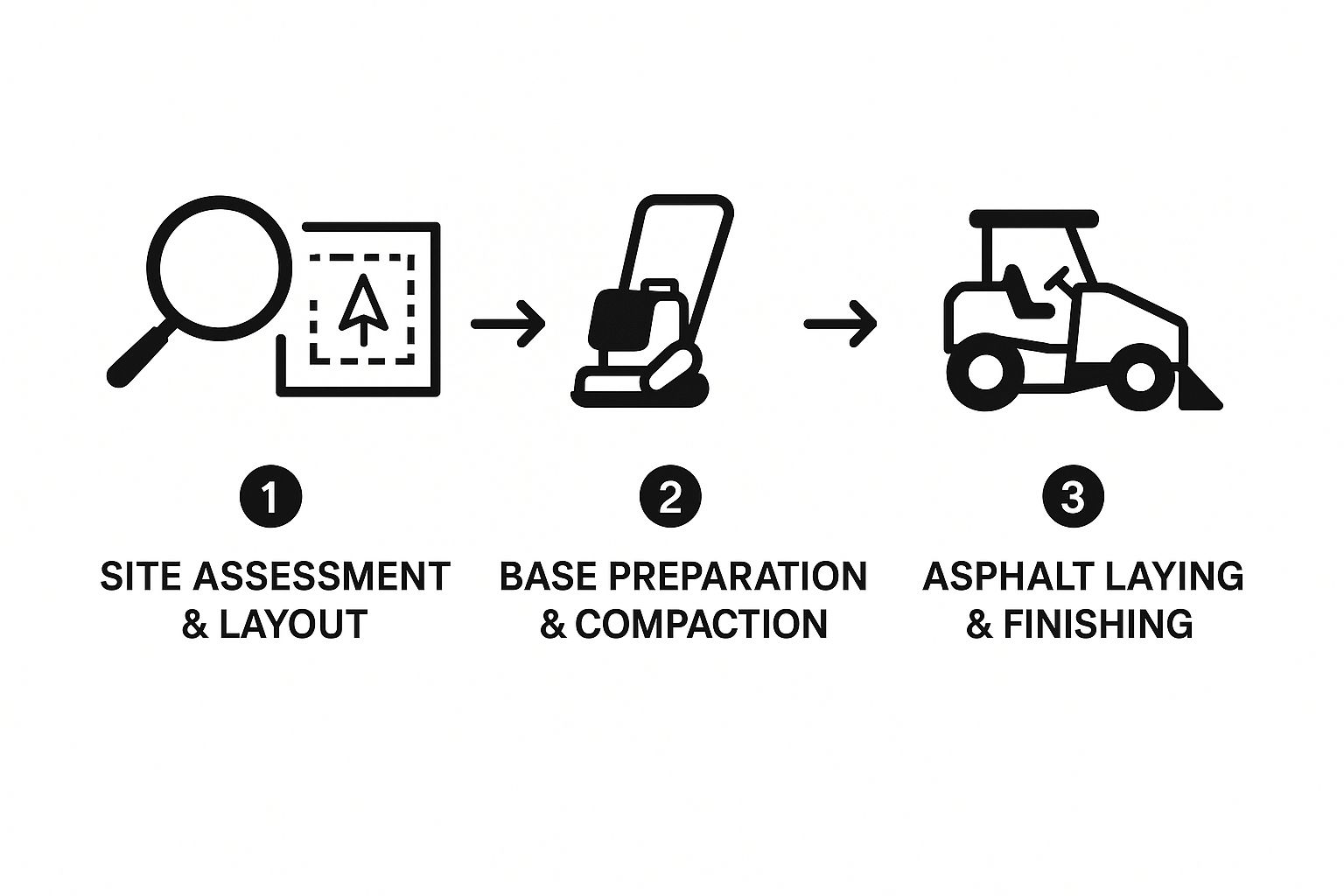
As you can see, laying the final surface is just one piece of a much larger, more critical puzzle that's all about foundational strength.
"A driveway's lifespan is determined before a single drop of asphalt is laid. Proper grading and compaction are non-negotiable for a surface that's truly built to last."
This careful attention to detail is crucial whether we're talking about a small residential driveway, a long rural access road, or a whole neighborhood of new streets. The principles of proper grading and paving are what guarantee stability and longevity, no matter the project's size. It’s this deep commitment to what's happening beneath the surface that ensures you get a long-wearing driveway that adds real, lasting value to your property.
Choosing the Right Paving Materials
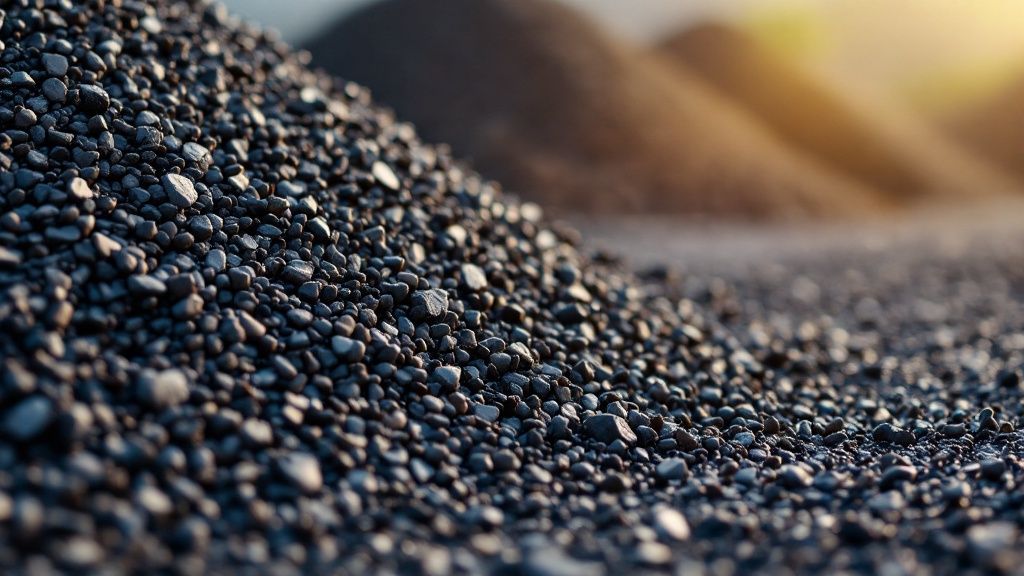
Once you have a solid foundation, the next big decision is the paving material. When you’re looking for driveway paving services built to last in Monterey County, it’s important to know that not all asphalt and concrete are the same. The difference between a surface that fails in five years and one that’s strong after twenty often comes down to this choice.
Standard residential-grade mixes are okay for light use, but they don't have the strength for true long-term performance. Pros insist on commercial-grade products for a reason—they're made to a much higher standard. Think of it like tires: you wouldn't put car tires on a heavy-duty dump truck and expect them to hold up. It's the same idea for a high-quality driveway.
Commercial-Grade Asphalt: The Flexible Champion
In Monterey County, commercial-grade asphalt is a popular choice because it offers a mix of strength and flexibility. We’re not talking about the simple mix used for a quick patch. This is a carefully made recipe of high-quality stone and powerful binders that lock everything together.
This stronger mix allows the asphalt to handle the weight of everything from delivery trucks to RVs without cracking. More importantly, its natural flexibility lets it expand and contract with our local temperature changes, which cuts down on weather-related damage.
Commercial-Grade Concrete: The Rigid Powerhouse
On the other hand, commercial-grade concrete brings amazing strength and a clean look. It creates a rigid, solid surface that can support huge weight, making it a great choice for certain properties. The secret to its long life is a professional mix design and perfect installation, especially placing joints correctly to help the slab manage stress.
While concrete is very tough, that same rigidness can be a problem where the ground tends to shift. Asphalt's flexibility often gives it an advantage for long rural driveways or properties on less stable soil. Each material has its place, and knowing the real-world differences is key to making the right choice. For another perspective, you might find our detailed comparison of asphalt vs pavers in our dedicated guide helpful.
To make things clearer, let's break down how these two heavy-hitters compare for a Monterey County driveway.
Asphalt vs Concrete Driveways: A Monterey County Comparison
A side-by-side look at two top commercial-grade materials for durability, cost, and upkeep.
| Feature | Commercial-Grade Asphalt | Commercial-Grade Concrete |
|---|---|---|
| Initial Cost | Lower, typically $2.00 to $4.00 per sq. ft. | Higher, often $4.00 to $6.00 per sq. ft. |
| Durability | Flexible; resists cracking from ground shifts and temperature changes. | Extremely hard and rigid; can support immense weight. |
| Maintenance | Requires sealcoating every 3-5 years to maintain its integrity. | Needs sealing to prevent stains and occasional crack filling. |
| Repair | Repairs are relatively simple and blend well with the original surface. | Patches can be more complex and are often visually obvious. |
| Lifespan | 15-20 years with proper maintenance. | 25-30+ years when installed and maintained correctly. |
| Weather Resistance | Excellent in both hot and cold cycles due to its flexibility. | Can be vulnerable to cracking in freeze-thaw cycles if not properly jointed. |
This table shows there’s no single "best" answer. The right material depends entirely on your property's specific needs and your budget.
Choosing between asphalt and concrete is less about which is "better" and more about which is right for your specific property, from custom estates to subdivisions. A professional assessment will identify the best long-wearing surface for your needs.
Ultimately, whether you lean toward asphalt or concrete, insisting on commercial-grade is the one thing you can’t skip. These materials are formulated to handle heavy traffic and the unique environmental challenges here in Monterey County, ensuring your investment pays off for decades to come.
Custom Paving Solutions for Your Property
Your driveway should not be an afterthought; it’s the handshake that welcomes you home. Here in Monterey County, every property is different—from its soil and slope to its style. A one-size-fits-all approach just doesn't work, which is why the best paving work is always custom.
This is about more than just pouring asphalt. It starts with an expert walking your property, understanding the land, and talking with you about how you'll use the driveway. From there, they design a solution that feels like it’s always been there, fitting perfectly with your landscape while being built to last.
Paving for Estates and Subdivisions
Large properties, like a private estate or a new subdivision, have their own complex needs. An estate might need a long, winding drive that follows the natural curves of the land. The design must be both beautiful and tough enough to handle everything from daily cars to heavy trucks, all while managing water runoff across a big area.
For a new subdivision, the goal is a network of safe, uniform roads that can stand up to decades of daily traffic. This involves roads, curbs, sidewalks, and drainage designed for a whole community. Both require a heavy-duty approach: a solid foundation topped with commercial-grade materials.
A truly custom paving solution looks beyond the surface. It’s an engineered system designed for your property's specific topography, drainage needs, and daily use.
Engineered Solutions for Rural Access Roads
Living in the country in Monterey County presents unique paving challenges. Access roads for farms, ranches, or remote homes need to be true workhorses. They have to support the weight of tractors and heavy equipment, resist erosion on hills, and hold up through our wet winters and dry summers.
Building a dependable rural road is a real skill. It requires careful subgrade preparation to create a stable base that won’t shift. Just as important is smart stormwater management to keep the road from washing out during heavy rain. The goal is a reliable, all-weather surface you can count on.
Full-Scope Project Management
A professional paving job involves more than just the crew and equipment. The best contractors handle everything behind the scenes to make the process easy for you.
This full-scope project management usually includes:
- Permitting Assistance: Dealing with Monterey County permits can be a hassle. A good partner takes care of that, making sure the project is fully legal and avoiding any problems later.
- Layout and Design: Working with you to create the perfect blueprint that is both easy to use and looks great, making sure the final result is exactly what you wanted.
By taking care of every detail, from the initial sketch and paperwork to the final pass of the roller, a full-service paving expert provides the help needed for a project that goes smoothly.
What to Expect During Your Driveway Installation
Knowing what goes into a professional paving project helps you understand the process. When you work with the best driveway paving services built to last in Monterey County, you’ll see a clear, step-by-step approach that ensures a great result, starting from the ground up.
Everything begins with a detailed meeting. A paving expert will walk your property with you, listen to what you want, and help design a driveway that fits your home's layout, slope, and style. This is about more than just drawing lines; it's about finding the smartest path for your property.
We Handle the Permits and Paperwork
Before any work starts, there’s the important step of getting permits. A true full-service contractor takes care of this for you, managing all the needed paperwork and working with Monterey County officials.
This is a huge relief for most homeowners. Local building rules can be confusing, but having a pro on your side ensures everything is done right from the start. This simple step prevents surprise fines, delays, and legal issues, giving you peace of mind.
From Dirt Work to the Finishing Touches
Once the plans are approved, the real work begins. This is where the blueprint turns into a beautiful, working driveway.
Here’s a look at the key phases of a new driveway installation:
- Excavation and Site Prep: First, the crew clears out any old, failing material. Then they prepare the subgrade—the soil underneath. This is the single most important step for a long-lasting driveway. It involves careful grading and heavy packing to create a solid foundation that won't move.
- Building the Base: Next, we lay down a thick layer of crushed rock. This rock is packed tightly to create a strong, weight-bearing platform that also helps with water drainage.
- Laying the Asphalt: Now for the main event. A commercial-grade hot asphalt mix is applied at a specific thickness and temperature to make sure it bonds correctly and cures to its full strength. If you want to dive deeper, you can explore the ideal asphalt paving temperature requirements in our guide.
- Final Compaction and Edging: Finally, large, heavy rollers pass over the new asphalt, packing it into a smooth, dense, and very durable surface. We then finish the edges to create clean, sharp lines that make your home look great.
Seeing this entire process—from the first conversation and permit filing to the final pass of the roller—really shows what sets a professional job apart. It’s not just about laying down asphalt; it’s about making a true long-term investment in your property’s value and daily function.
Protecting Your Investment with Smart Maintenance
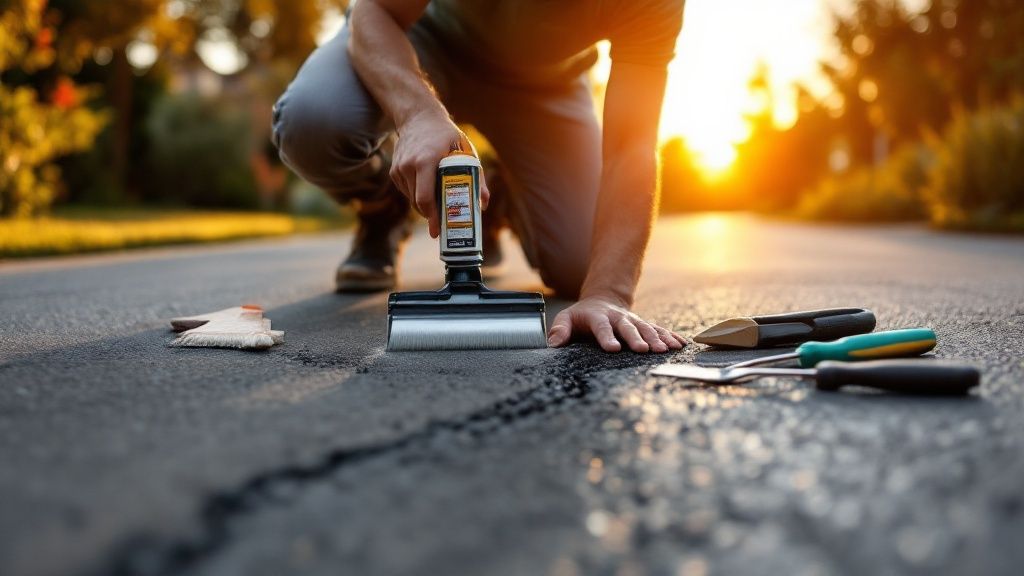
Once your beautiful new driveway is installed, the work isn't quite over. A little bit of care is the secret to making it last for decades. Think of it like changing the oil in your car—a small, regular effort now prevents big, expensive problems later. These simple steps will keep your investment looking great and working perfectly.
Your first line of defense is just keeping it clean. Sweeping away leaves, dirt, and other junk stops moisture from getting trapped on the surface, which can cause damage over time. It's also important to clean up oil spots or chemical spills right away, as they can eat through the sealants on both asphalt and concrete.
Key Maintenance for Asphalt Driveways
For asphalt, the single most important thing you can do is sealcoating. This protective layer is like sunscreen for your driveway. It shields the pavement from the sun's harsh UV rays and blocks water from soaking into the surface. Without it, asphalt eventually becomes brittle and starts to crack.
You'll also want to watch for any small cracks that appear. Filling them as soon as you see them is a quick, easy fix that stops water from getting into the base below. Once water gets in there, it can freeze, expand, and turn a tiny crack into a major pothole. A little attention here goes a long, long way.
Proactive maintenance is the key to maximizing the lifespan of your driveway. Sealcoating and crack filling aren't just repairs; they're essential investments in the long-term health and durability of your asphalt surface.
Learn more about how our professional asphalt sealcoating in Monterey & Santa Cruz County can protect your driveway for years to come.
Caring for Concrete Surfaces
Concrete driveways also benefit hugely from being sealed. A quality sealer repels water and resists ugly stains from oil and other fluids, keeping the surface looking fresh and clean. In the colder months, try to avoid using harsh de-icing chemicals, which can cause the concrete to chip and break down over time.
While you're making sure your paving lasts, don't forget that other parts of your driveway need care, too. For instance, you can find some great advice on automatic driveway gate troubleshooting and maintenance to keep your entire entrance in top shape. By following these simple tips, your driveway will continue to look good and perform well for years.
Got Questions About Driveway Paving? We Have Answers.
When you're thinking about a new driveway, a lot of questions come up. It’s a big investment, after all. Let's walk through some of the most common things homeowners ask, so you can feel confident about the process.
How Long Will My New Driveway Actually Last?
A professionally installed asphalt driveway, built with commercial-grade materials, should give you 15 to 20 years of solid service, maybe even more. The secret isn't just the blacktop you see. It’s what’s happening underneath.
A long life comes down to proper subgrade prep and smart stormwater management. A well-built foundation that keeps water out is the key to preventing the cracks and potholes that ruin a driveway long before its time.
Think of it like building a house—a weak foundation means a weak structure. The same is true for your driveway. A solid, well-drained base is what keeps it from cracking and sinking.
Whether it's a long rural lane or a driveway for a new home, a strong base ensures it can stand up to years of cars, weather, and daily life.
Do I Really Need a Permit for a Driveway?
Yes, almost always. In Monterey County, any project that involves a new driveway or a major rebuild of an old one will need a permit. This isn't just extra paperwork; it's to make sure the work meets local building codes and safety standards.
The good news is, you don’t have to handle that process alone. A true full-scope paving contractor handles all the permitting and layout assistance for you. They’ll take care of the paperwork and make sure your project is 100% legal, saving you the headaches and potential fines.
What Does an "Engineered" Driveway Even Mean?
This is a great question. An "engineered" driveway isn't a one-size-fits-all product. It means your driveway is custom-designed for the unique challenges of your property. A pro will come out and look at your soil, the slope of the land, and where water naturally flows.
From that analysis, they build a complete system from the ground up:
- A stable subgrade is packed down to the perfect density to prevent settling.
- A sturdy base layer of rock creates the load-bearing strength.
- A long-wearing surface of commercial-grade asphalt is applied.
- Proper slopes and drainage are built in to actively guide water away.
This is the real difference between just laying down asphalt and getting professional driveway paving services built to last in Monterey County. It’s a thoughtful, site-specific solution.
At Coastal Pipeline Inc., we engineer every driveway for decades of performance. We take care of the entire project—from the initial design and permits all the way to the final paving—so you get a superior result without the stress. Contact us today to discuss your project.